Kochi Metro Phase Three Plans Underground Transit Hub
RAILWAYS & METRO RAIL

Kochi Metro Phase Three Plans Underground Transit Hub

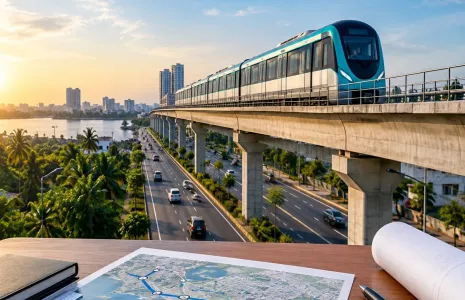
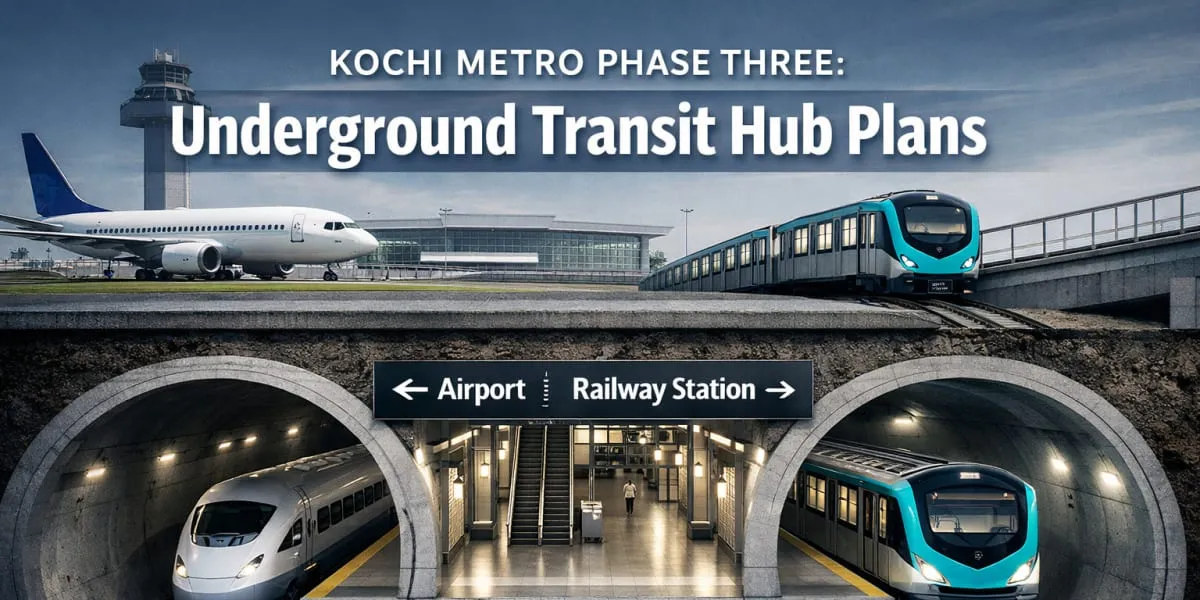
Kochi Metro is considering an underground transit hub as part of Phase Three to connect Cochin International Airport, a proposed new railway station at Nedumbassery and the metro network through an integrated tunnel system, according to a report by Manorama. The concept is being examined in the Detailed Project Report for the Aluva–Angamaly corridor and is presented as an option to provide seamless intermodal transfers within the airport precinct and adjacent transport nodes.

Initial discussions had envisaged a three km subterranean stretch, but sources now indicate that nearly eight km of underground alignment are being examined, which would represent the first significant underground section in Kerala given that Phase One and Phase Two of Kochi Metro contain no underground alignments. The plan centres on an underground metro station near the Taj Cochin International Airport Hotel that would act as the principal interchange and enable vertical and horizontal movements between modes within a single complex.

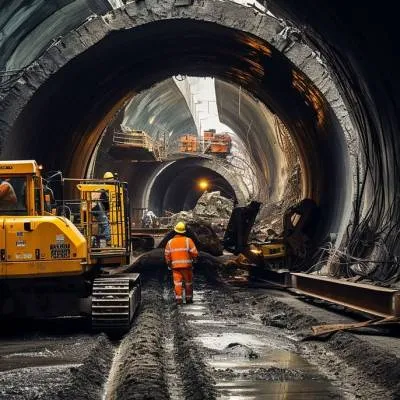
Planners anticipate that the integrated underground hub would allow passengers to move directly between the airport terminal, metro platforms and long distance rail services without entering surface traffic, thereby reducing transfer times and improving the quality of connectivity. Realising the scheme is likely to require sophisticated tunnelling techniques, carefully designed station cavities, comprehensive ventilation and fire safety systems, and detailed planning for passenger circulation, luggage handling and accessibility.

The Detailed Project Report remains under consideration and does not yet define a construction timeline or final cost estimates, and stakeholders are expected to require further technical studies, environmental clearances and coordination with aviation and railway authorities. If approved, the proposal would substantially expand the reach of Kochi Metro and introduce underground construction practices to the state, with implications for future corridor design and urban transport integration.

Kochi Metro is considering an underground transit hub as part of Phase Three to connect Cochin International Airport, a proposed new railway station at Nedumbassery and the metro network through an integrated tunnel system, according to a report by Manorama. The concept is being examined in the Detailed Project Report for the Aluva–Angamaly corridor and is presented as an option to provide seamless intermodal transfers within the airport precinct and adjacent transport nodes. Initial discussions had envisaged a three km subterranean stretch, but sources now indicate that nearly eight km of underground alignment are being examined, which would represent the first significant underground section in Kerala given that Phase One and Phase Two of Kochi Metro contain no underground alignments. The plan centres on an underground metro station near the Taj Cochin International Airport Hotel that would act as the principal interchange and enable vertical and horizontal movements between modes within a single complex. Planners anticipate that the integrated underground hub would allow passengers to move directly between the airport terminal, metro platforms and long distance rail services without entering surface traffic, thereby reducing transfer times and improving the quality of connectivity. Realising the scheme is likely to require sophisticated tunnelling techniques, carefully designed station cavities, comprehensive ventilation and fire safety systems, and detailed planning for passenger circulation, luggage handling and accessibility. The Detailed Project Report remains under consideration and does not yet define a construction timeline or final cost estimates, and stakeholders are expected to require further technical studies, environmental clearances and coordination with aviation and railway authorities. If approved, the proposal would substantially expand the reach of Kochi Metro and introduce underground construction practices to the state, with implications for future corridor design and urban transport integration.

Next Story
Infrastructure Transport

Tunnelling Begins for Thane, Borivali twin tunnel project

Tunnelling work has commenced for the 11.84-km Thane–Borivali Twin Tunnel, set to be India’s longest urban road tunnel, marking a key milestone in Mumbai’s infrastructure development.As per a post shared by Mumbai Metropolitan Region Development Authority on social media platform X, the tunnel boring machine (TBM) ‘Nayak’—the country’s largest single-shield hard rock TBM for an urban tunnel—was launched by Devendra Fadnavis on Tuesday. The event was attended by Eknath Shinde and Sunetra Pawar, among other dignitaries. A second TBM, ‘Arjuna’, is expected to be launched so..

Next Story
Infrastructure Transport

Large Format Store Planned At M G Road Metro Station

M G Road station in Bengaluru is set to host the city’s first large-format commercial and experience space, with planning led by Bangalore Metro Rail Corporation Limited. BMRCL has invited proposals to develop and operate a central business district destination at the Purple?Pink Line interchange. The plan positions the station as a commercial hub designed to serve a broad commuter base across the city. The proposal is part of a broader effort to activate transit nodes commercially. Tender documents set a minimum monthly rental of Rs 0.944 million (mn), inclusive of GST, for the large-format..

Next Story
Infrastructure Energy

Government Cancels Auction Of Eleven Critical Mineral Blocks

The government has cancelled the auction of 11 critical and strategic mineral blocks after receiving a poor investor response and failing to attract a sufficient number of qualified bidders. The decision represents a setback to plans to ramp up domestic exploration and production of critical minerals amid global supply chain disruptions and rising demand for materials used in clean energy and advanced technologies. The mines ministry issued an annulment notice setting out the reasons for the cancellations. The annulment notice indicated that the auction process for five mineral blocks was canc..

Advertisement

Subscribe to Our Newsletter

Get daily newsletters around different themes from Construction world.

STAY CONNECTED

Advertisement

Advertisement

Advertisement