Lucknow Metro Phase 1B Moves Ahead with Rs 4.92bn Tender
RAILWAYS & METRO RAIL

Lucknow Metro Phase 1B Moves Ahead with Rs 4.92bn Tender

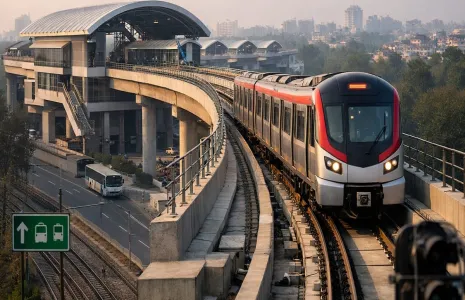
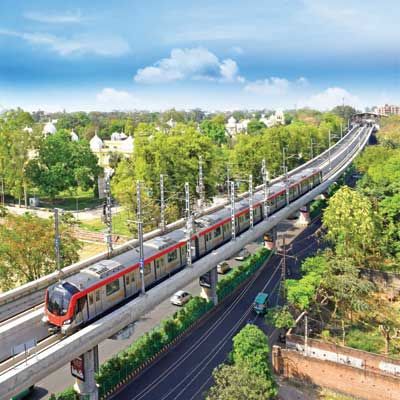
Lucknow’s second metro corridor has moved closer to execution after Uttar Pradesh Metro Rail Corporation floated a Rs 4.92 billion tender for constructing five elevated stations, marking the launch of Phase 1B of the city’s metro expansion.

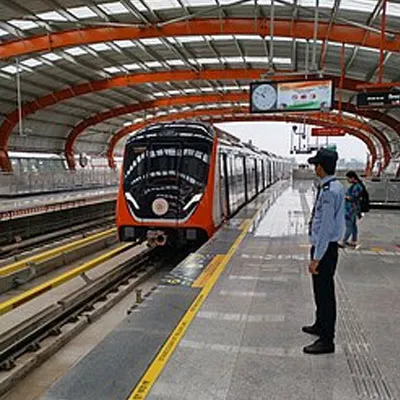
According to the tender, the project covers the design and construction of a 4.6-km elevated viaduct from Thakurganj to Vasantkunj. It includes five elevated stations—Thakurganj, Balaganj, Sarfarazganj, Musa Bagh and Vasantkunj—along with a 740-metre ramp connecting the main line to the depot. The scope of work spans civil structures, architectural finishes, pre-engineered buildings, water supply, drainage, fire-fighting systems, and complete electrical and mechanical installations. UPMRC has set a 30-month completion timeline from the project start date.

Tender documents were released on the government e-portal on 1 January, with bid submissions closing on 2 February. A mandatory pre-bid meeting is scheduled for 12 January, while technical bids will be opened on 3 February.

The tender lays down stringent eligibility criteria, requiring bidders to demonstrate strong financial health, including minimum net worth and liquidity, as well as a proven track record of completing large metro or viaduct projects worth hundreds of crores over the past seven years. In line with national policy, the tender emphasises the Make in India directive, requiring bidders to declare local content in their proposals. Preference will be given to Class-I local suppliers with over 50 per cent local value addition. Provisions aligned with central procurement rules also address security restrictions for bidders from countries sharing land borders with India.

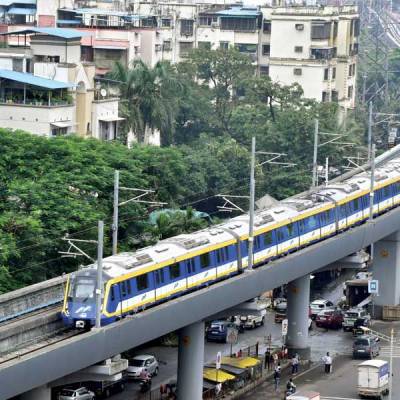
The full second corridor of the Lucknow Metro will span 11.165 km, comprising 4.286 km of elevated track and 6.879 km underground, with 12 stations—seven underground and five elevated—serving heritage precincts and emerging residential areas. The corridor’s estimated cost stands at Rs 58.01 billion, with an overall planned completion timeline of five years.

Once operational, Phase 1B is expected to significantly enhance urban mobility and support Lucknow’s expanding residential and commercial zones.

Lucknow’s second metro corridor has moved closer to execution after Uttar Pradesh Metro Rail Corporation floated a Rs 4.92 billion tender for constructing five elevated stations, marking the launch of Phase 1B of the city’s metro expansion. According to the tender, the project covers the design and construction of a 4.6-km elevated viaduct from Thakurganj to Vasantkunj. It includes five elevated stations—Thakurganj, Balaganj, Sarfarazganj, Musa Bagh and Vasantkunj—along with a 740-metre ramp connecting the main line to the depot. The scope of work spans civil structures, architectural finishes, pre-engineered buildings, water supply, drainage, fire-fighting systems, and complete electrical and mechanical installations. UPMRC has set a 30-month completion timeline from the project start date. Tender documents were released on the government e-portal on 1 January, with bid submissions closing on 2 February. A mandatory pre-bid meeting is scheduled for 12 January, while technical bids will be opened on 3 February. The tender lays down stringent eligibility criteria, requiring bidders to demonstrate strong financial health, including minimum net worth and liquidity, as well as a proven track record of completing large metro or viaduct projects worth hundreds of crores over the past seven years. In line with national policy, the tender emphasises the Make in India directive, requiring bidders to declare local content in their proposals. Preference will be given to Class-I local suppliers with over 50 per cent local value addition. Provisions aligned with central procurement rules also address security restrictions for bidders from countries sharing land borders with India. The full second corridor of the Lucknow Metro will span 11.165 km, comprising 4.286 km of elevated track and 6.879 km underground, with 12 stations—seven underground and five elevated—serving heritage precincts and emerging residential areas. The corridor’s estimated cost stands at Rs 58.01 billion, with an overall planned completion timeline of five years. Once operational, Phase 1B is expected to significantly enhance urban mobility and support Lucknow’s expanding residential and commercial zones.

Next Story
Infrastructure Urban

Mount Invests Rs 250 Cr, Adds PUF & PEB Plants, 400+ Jobs

TUMKUR, Karnataka, January 8, 2025 - Mount Roofing & Structures Private Limited, one of India's  fastest-growing manufacturers in PUF and a leading solutions provider across Pre-Engineered Building  (PEB) and Polycarbonate sheets, simultaneously inaugurated its second fully automated continuous  Sandwich Panel manufacturing line and a new PEB manufacturing plant at its integrated campus in  Tumkur." The milestone expansion, part of a total investment of INR 250 crores, marks a significant  advancement in the company's commitment to engineered performance, manu..

Next Story
Infrastructure Urban

Titan Intech Strengthens UltraLED Push With Global LED Veteran

Titan Intech has announced the induction of global LED industry veteran Su Piow Ko to its Board of Directors, marking a strategic step in strengthening its UltraLED Displays roadmap and building globally competitive LED display solutions from India.The appointment aligns with Titan Intech’s ambition to position India as a hub for advanced, high-quality LED display manufacturing. With an increased focus on UltraLED Displays, the company aims to enhance technical governance, raise manufacturing standards and expand its presence across global markets.Su Piow Ko brings over three decades of inte..

Next Story
Infrastructure Urban

Dun & Bradstreet Flags New Growth Engines in India 2026 Outlook

Dun & Bradstreet has released its India 2026: D&B’s Perspective report, projecting a stable macroeconomic environment underpinned by fresh opportunities for productivity-led and inclusive growth. The report outlines how India’s next growth phase will be driven by digitised logistics, trusted data ecosystems, clean energy and rising city vitality.According to the outlook, India’s GDP growth is expected to reach around 6.6 per cent by FY2027, supported by resilient consumer demand and sustained public investment. Manufacturing is seen entering a new phase, moving beyond scale towar..

Advertisement

Subscribe to Our Newsletter

Get daily newsletters around different themes from Construction world.

STAY CONNECTED

Advertisement

Advertisement

Advertisement

Advertisement

Open In App