Mumbai Trans-Harbor Link: First Orthotropic Steel Deck launched
RAILWAYS & METRO RAIL

Mumbai Trans-Harbor Link: First Orthotropic Steel Deck launched

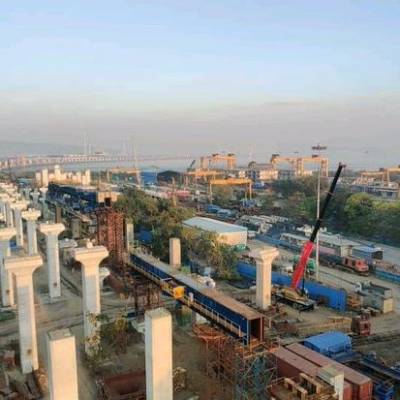
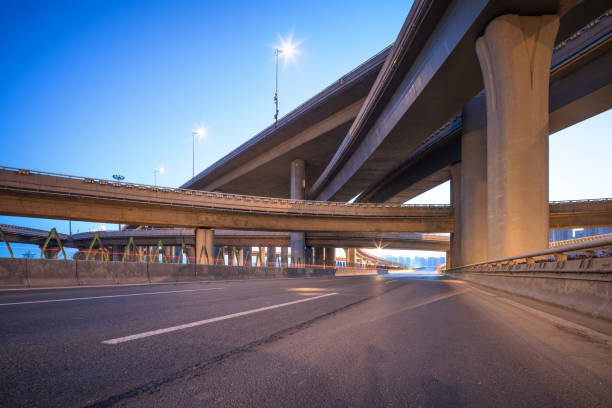
The Mumbai Metropolitan Regional Development Authority (MMRDA) has launched the Orthotropic Steel Deck (OSD) on the Mumbai Trans-Harbor Link (MTHL).

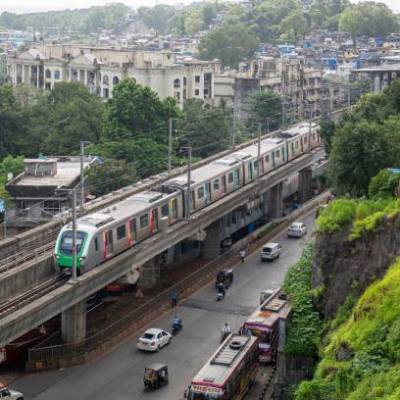
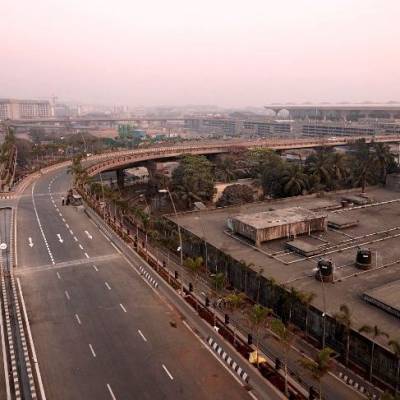
The Mumbai Trans-Harbor Link is a 22 km long sea link that will connect South Mumbai and Navi Mumbai.

Eknath Shinde, Cabinet Minister of Urban Development and Public Works, and Chairman MMRDA attended the launch of the 70-meters-long Orthotropic Steel Deck in the sea.

The OSD refers to a steel deck superstructure that will carry the vehicular load in a more efficient way while improving the bridge's load-carrying capacity in comparison with the concrete superstructure.

The steel decks are being utilised for ensuring the ships crossing the adjoining MTHL channel have enough navigation space for passing under the bridge.

According to officials, these steel spans have been developed in workshop facilities across various locations including Japan, South Korea, Vietnam, Taiwan, and Myanmar. Once the structures are received, the final assembly will require 15 days of man-hours before the launch of the superstructure on the site, an official said.

The project will incur a cost of around Rs 17,843 crore. The link has interchanges at several locations including, Sewri- Central Mumbai, Shivaji Nagar- Mumbai Bay, and NH-4 B- Chirle in Navi Mumbai.

Image Source

Also read: Mumbai Trans Harbour Link: 52% work completed

The Mumbai Metropolitan Regional Development Authority (MMRDA) has launched the Orthotropic Steel Deck (OSD) on the Mumbai Trans-Harbor Link (MTHL). The Mumbai Trans-Harbor Link is a 22 km long sea link that will connect South Mumbai and Navi Mumbai. Eknath Shinde, Cabinet Minister of Urban Development and Public Works, and Chairman MMRDA attended the launch of the 70-meters-long Orthotropic Steel Deck in the sea. The OSD refers to a steel deck superstructure that will carry the vehicular load in a more efficient way while improving the bridge's load-carrying capacity in comparison with the concrete superstructure. The steel decks are being utilised for ensuring the ships crossing the adjoining MTHL channel have enough navigation space for passing under the bridge. According to officials, these steel spans have been developed in workshop facilities across various locations including Japan, South Korea, Vietnam, Taiwan, and Myanmar. Once the structures are received, the final assembly will require 15 days of man-hours before the launch of the superstructure on the site, an official said. The project will incur a cost of around Rs 17,843 crore. The link has interchanges at several locations including, Sewri- Central Mumbai, Shivaji Nagar- Mumbai Bay, and NH-4 B- Chirle in Navi Mumbai. Image Source Also read: Mumbai Trans Harbour Link: 52% work completed

Next Story
Infrastructure Transport

Tunnelling Begins for Thane, Borivali twin tunnel project

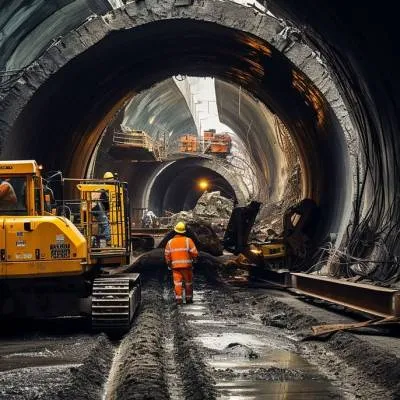
Tunnelling work has commenced for the 11.84-km Thane–Borivali Twin Tunnel, set to be India’s longest urban road tunnel, marking a key milestone in Mumbai’s infrastructure development.As per a post shared by Mumbai Metropolitan Region Development Authority on social media platform X, the tunnel boring machine (TBM) ‘Nayak’—the country’s largest single-shield hard rock TBM for an urban tunnel—was launched by Devendra Fadnavis on Tuesday. The event was attended by Eknath Shinde and Sunetra Pawar, among other dignitaries. A second TBM, ‘Arjuna’, is expected to be launched so..

Next Story
Infrastructure Transport

Large Format Store Planned At M G Road Metro Station

M G Road station in Bengaluru is set to host the city’s first large-format commercial and experience space, with planning led by Bangalore Metro Rail Corporation Limited. BMRCL has invited proposals to develop and operate a central business district destination at the Purple?Pink Line interchange. The plan positions the station as a commercial hub designed to serve a broad commuter base across the city. The proposal is part of a broader effort to activate transit nodes commercially. Tender documents set a minimum monthly rental of Rs 0.944 million (mn), inclusive of GST, for the large-format..

Next Story
Infrastructure Energy

Government Cancels Auction Of Eleven Critical Mineral Blocks

The government has cancelled the auction of 11 critical and strategic mineral blocks after receiving a poor investor response and failing to attract a sufficient number of qualified bidders. The decision represents a setback to plans to ramp up domestic exploration and production of critical minerals amid global supply chain disruptions and rising demand for materials used in clean energy and advanced technologies. The mines ministry issued an annulment notice setting out the reasons for the cancellations. The annulment notice indicated that the auction process for five mineral blocks was canc..

Advertisement

Subscribe to Our Newsletter

Get daily newsletters around different themes from Construction world.

STAY CONNECTED

Advertisement

Advertisement

Advertisement