Pune Metro Set for Ambitious Expansion
RAILWAYS & METRO RAIL

Pune Metro Set for Ambitious Expansion

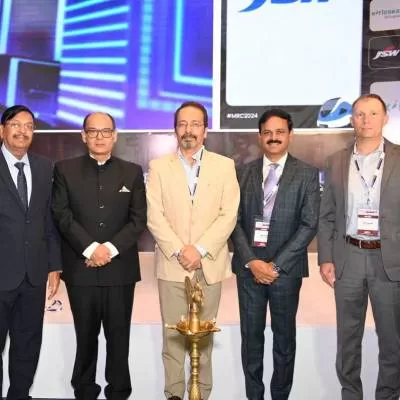
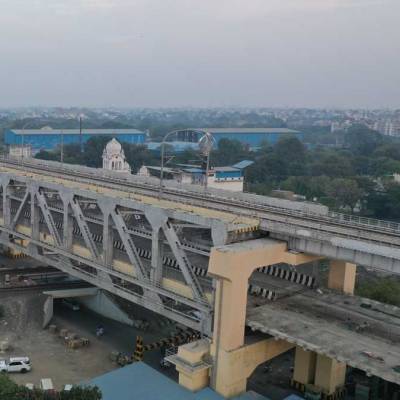
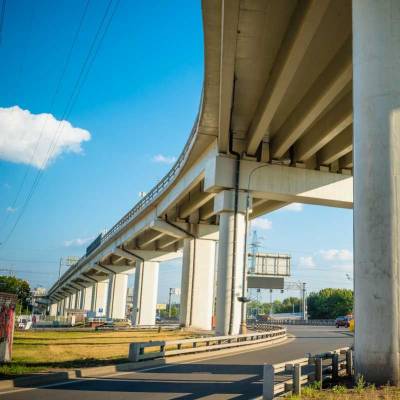
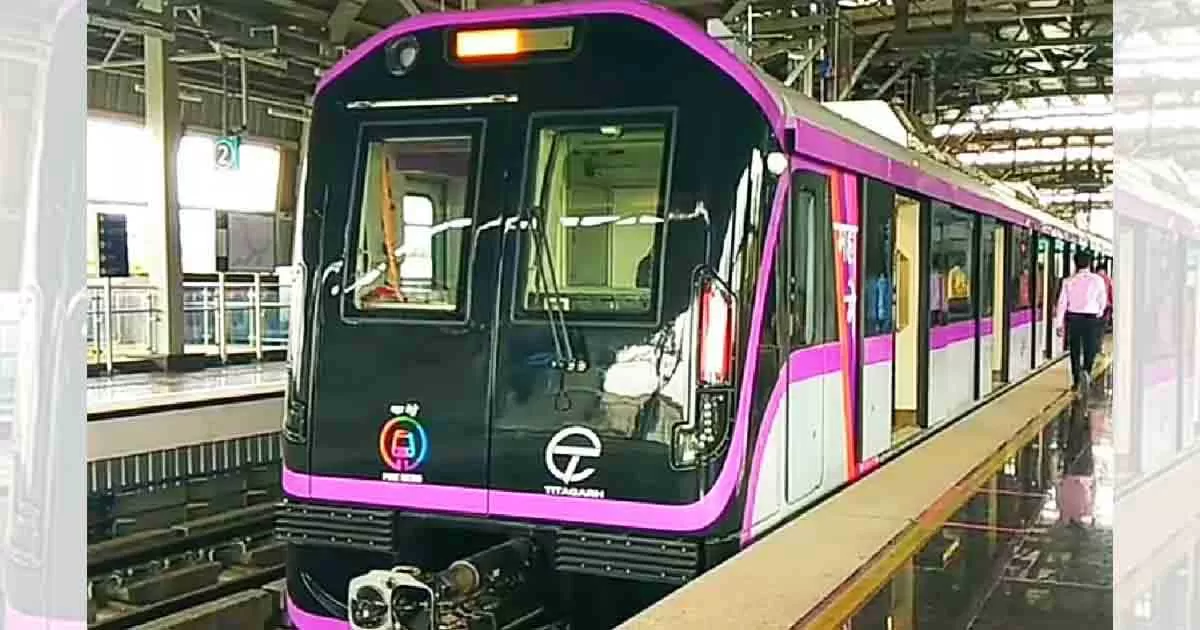
In a recent real estate event organized by Credtech Knowledge Federation, Shravan Hardikar, Managing Director of Maha Metro, unveiled ambitious plans for the expansion of Pune's Metro system. Hardikar projected that within the next five years, the Metro network would extend across all corridors in the city, greatly improving last-mile connectivity with most stations just 5-10 minutes apart.

Emphasizing the importance of public transport in enhancing urban living standards, Hardikar compared Pune's Metro expansion to London's extensive transportation network, which serves millions of riders daily. He stressed the necessity of efficient public transport systems in cities undergoing rapid development.

Highlighting Pune's transportation challenges, Hardikar noted that the city's development is outpacing its road infrastructure, with vehicle registrations projected to exceed road construction within three years. To tackle growing traffic issues, he called for collaborative efforts from all stakeholders to provide comprehensive solutions.

Addressing concerns about last-mile connectivity, Hardikar urged citizens to embrace alternative modes of transport such as walking or taking the bus. He cited Delhi's adoption of e-rickshaws for transporting commuters to and from Metro stations as an innovative solution to transportation challenges.

Hardikar underscored that decisions made regarding public transport would significantly impact the city's value proposition. With the impending saturation of all corridors by the Metro, Pune's residents can anticipate improved accessibility and enhanced urban mobility in the near future.

In a recent real estate event organized by Credtech Knowledge Federation, Shravan Hardikar, Managing Director of Maha Metro, unveiled ambitious plans for the expansion of Pune's Metro system. Hardikar projected that within the next five years, the Metro network would extend across all corridors in the city, greatly improving last-mile connectivity with most stations just 5-10 minutes apart. Emphasizing the importance of public transport in enhancing urban living standards, Hardikar compared Pune's Metro expansion to London's extensive transportation network, which serves millions of riders daily. He stressed the necessity of efficient public transport systems in cities undergoing rapid development. Highlighting Pune's transportation challenges, Hardikar noted that the city's development is outpacing its road infrastructure, with vehicle registrations projected to exceed road construction within three years. To tackle growing traffic issues, he called for collaborative efforts from all stakeholders to provide comprehensive solutions. Addressing concerns about last-mile connectivity, Hardikar urged citizens to embrace alternative modes of transport such as walking or taking the bus. He cited Delhi's adoption of e-rickshaws for transporting commuters to and from Metro stations as an innovative solution to transportation challenges. Hardikar underscored that decisions made regarding public transport would significantly impact the city's value proposition. With the impending saturation of all corridors by the Metro, Pune's residents can anticipate improved accessibility and enhanced urban mobility in the near future.

Next Story
Real Estate

AI: The New Recruit

From getting ideas to evaluating designs, presenting concepts to clients and tracking projects, artificial intelligence (AI) is helping architects work better and faster.“AI allows architects to spend more time doing what only they can do: think critically, synthesise complexity and design with intent,” says Dikshu C Kukreja, Managing Principal, CP Kukreja Architects. “Every minute reclaimed from repetitive processes can be invested in creativity, contextual understanding, interdisciplinary collaboration and innovation – the qualities that define meaningful architecture.”To read the ..

Next Story
Real Estate

Redevelopment 2.0

In 2017, Mumbai identified 160,000 ageing buildings due for structural audit. Close to half of these were in the Western Suburbs. Redeveloping the oldest and structurally weakest of these would help unlock new housing, much needed given the city’s growing population density and constant developed area of 437.7 sq km. At 30,600 people per sq km in 2024, Mumbai’s density was almost thrice that of Gurugram, and 60 per cent higher than Bengaluru’s.Essentially, Mumbai’s realty market has demand. It has capital. It has realty development potential.Fast forward to 2026. Mumbai has 1,094 regis..

Next Story
Technology

Cost intelligence will become a strategic contributor to project success

As India's construction industry accelerates its digital transformation, integrated platforms, AI and connected data are becoming essential to improving cost certainty, project efficiency and sustainability. Ravi Kumar, Sales Director – India, RIB Software India, shares how digital workflows are reshaping project planning, commercial management and decision-making across the construction value chain.India's construction sector is embracing digital technologies at an unprecedented pace. From your perspective, what are the biggest shifts driving this transformation and how is RIB Software enab..

Advertisement

Subscribe to Our Newsletter

Get daily newsletters around different themes from Construction world.

STAY CONNECTED

Advertisement

Advertisement

Advertisement