RRTS Seen Driving Mobility Shift And Corridor Realty Growth
RAILWAYS & METRO RAIL

RRTS Seen Driving Mobility Shift And Corridor Realty Growth

India’s Regional Rapid Transit System (RRTS) is emerging as a key catalyst for urban mobility transformation and corridor-led real estate growth, according to a new report by Knight Frank India titled Regional Rapid Transit System: Testing the Commuters’ Pulse.

The study highlights strong commuter satisfaction, rising investor confidence and a growing willingness among homebuyers to consider properties along RRTS corridors. Nearly 66 per cent of respondents surveyed said they are keen to purchase homes in areas served by the RRTS, signalling its potential to reshape residential and commercial demand patterns.

Around 80 per cent of existing RRTS users linked improved connectivity to better economic opportunities in their regions, underscoring the broader impact of high-speed regional transit on employment access and productivity. Knight Frank noted that visible infrastructure development plays a crucial role in boosting confidence, with respondents more than twice as likely to perceive economic growth in areas witnessing RRTS-led upgrades.

The presence of commercial activity—such as offices, retail hubs and business districts—significantly amplifies investment sentiment, increasing the likelihood of property investment by more than tenfold. Similarly, active real estate development along RRTS corridors raises the probability of investment by nearly eight times, indicating that connectivity alone is not enough and must be supported by tangible on-ground development.

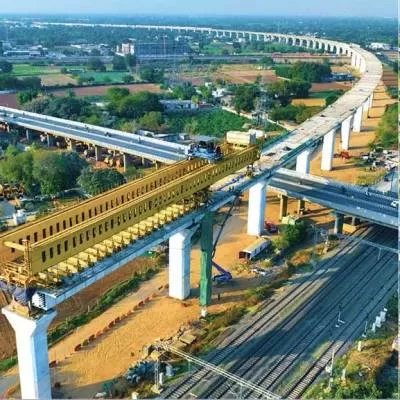
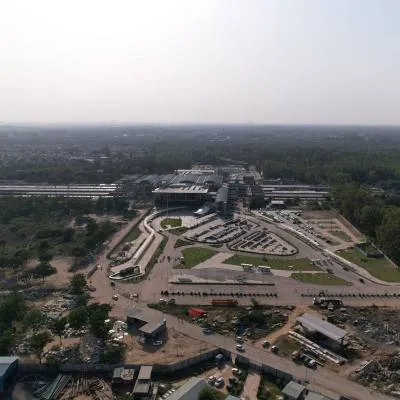
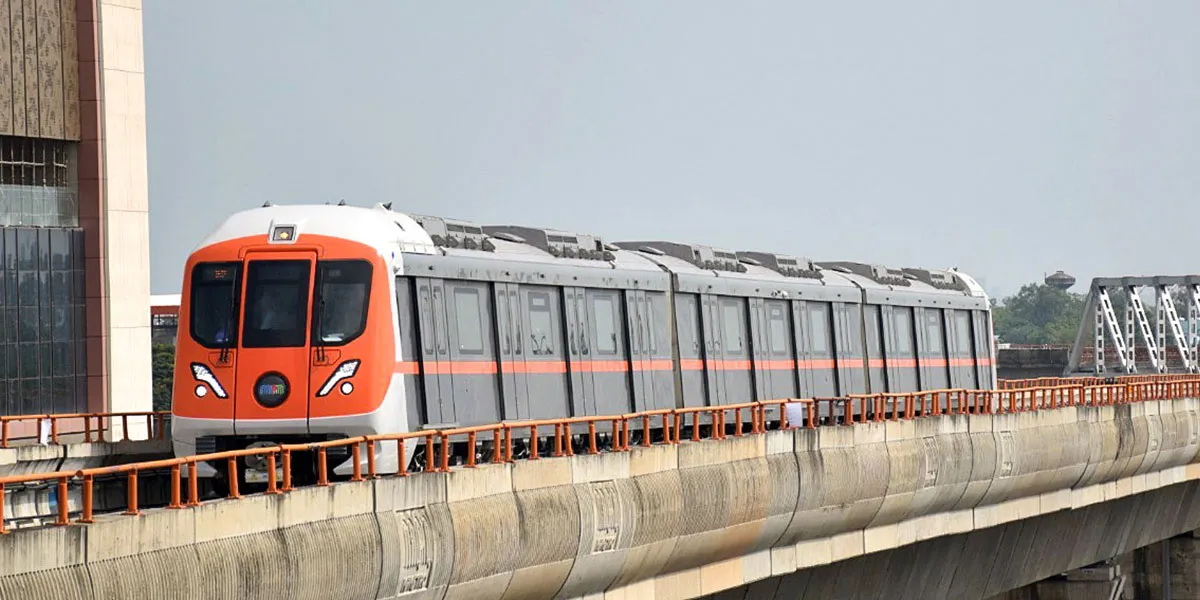
The flagship Delhi–Ghaziabad–Meerut RRTS corridor, being developed by the National Capital Region Transport Corporation, illustrates this potential. Spanning 82 km and backed by an investment exceeding Rs 300 billion, the corridor aims to cut travel time between Delhi and Meerut to under an hour. Sections of the corridor are already operational, with additional phases under development.

Commuter feedback has been largely positive, with over 80 per cent of users expressing satisfaction with the service. While some users cited higher commuting costs, most said the benefits of time savings, safety, comfort and productivity outweighed fare concerns. However, the report highlighted last-mile connectivity and integration with other transport modes as key challenges that need to be addressed to sustain ridership growth.

With more than 90 per cent awareness among potential users and strong intent to adopt the system once connectivity gaps are bridged, Knight Frank said RRTS is well placed to drive decentralised urban growth. The report added that the long-term success of RRTS corridors will depend on coordinated planning that aligns transport infrastructure with land use, social infrastructure and commercial development.

India’s Regional Rapid Transit System (RRTS) is emerging as a key catalyst for urban mobility transformation and corridor-led real estate growth, according to a new report by Knight Frank India titled Regional Rapid Transit System: Testing the Commuters’ Pulse. The study highlights strong commuter satisfaction, rising investor confidence and a growing willingness among homebuyers to consider properties along RRTS corridors. Nearly 66 per cent of respondents surveyed said they are keen to purchase homes in areas served by the RRTS, signalling its potential to reshape residential and commercial demand patterns. Around 80 per cent of existing RRTS users linked improved connectivity to better economic opportunities in their regions, underscoring the broader impact of high-speed regional transit on employment access and productivity. Knight Frank noted that visible infrastructure development plays a crucial role in boosting confidence, with respondents more than twice as likely to perceive economic growth in areas witnessing RRTS-led upgrades. The presence of commercial activity—such as offices, retail hubs and business districts—significantly amplifies investment sentiment, increasing the likelihood of property investment by more than tenfold. Similarly, active real estate development along RRTS corridors raises the probability of investment by nearly eight times, indicating that connectivity alone is not enough and must be supported by tangible on-ground development. The flagship Delhi–Ghaziabad–Meerut RRTS corridor, being developed by the National Capital Region Transport Corporation, illustrates this potential. Spanning 82 km and backed by an investment exceeding Rs 300 billion, the corridor aims to cut travel time between Delhi and Meerut to under an hour. Sections of the corridor are already operational, with additional phases under development. Commuter feedback has been largely positive, with over 80 per cent of users expressing satisfaction with the service. While some users cited higher commuting costs, most said the benefits of time savings, safety, comfort and productivity outweighed fare concerns. However, the report highlighted last-mile connectivity and integration with other transport modes as key challenges that need to be addressed to sustain ridership growth. With more than 90 per cent awareness among potential users and strong intent to adopt the system once connectivity gaps are bridged, Knight Frank said RRTS is well placed to drive decentralised urban growth. The report added that the long-term success of RRTS corridors will depend on coordinated planning that aligns transport infrastructure with land use, social infrastructure and commercial development.

Next Story
Infrastructure Transport

Navi Mumbai Airport to Get AC Shuttle Buses on Five Routes

Navi Mumbai Municipal Transport (NMMT) will roll out dedicated air-conditioned shuttle bus services to the upcoming Navi Mumbai International Airport from Thursday morning, creating the first formal public transport connectivity to the new terminal.According to reports, the services will commence at 6 am with an initial fleet of 14 AC buses operating across five direct routes. The initiative is aimed at providing seamless last-mile connectivity between the airport and key suburban railway stations in Navi Mumbai.Passengers travelling by train will also be able to access the airport via Targhar..

Next Story
Infrastructure Transport

L&T Wins Electrification Contract for Mumbai Metro Lines 4 & 4A

Larsen & Toubro (L&T) has secured a major electrification contract from the Mumbai Metropolitan Region Development Authority (MMRDA) for Mumbai Metro Line 4 and Line 4A, further strengthening its presence in the city’s rapid transit infrastructure.The contract, awarded under Package CA-298, covers Mumbai Metro Line 4 and Line 4A, which together span 35.2 km, connecting Wadala to Kasarvadavali and Gaimukh. As part of the scope, L&T will undertake the design, manufacture, supply, installation, integration, testing and commissioning of power supply and traction systems for 24.72 rou..

Next Story
Infrastructure Urban

Delhi Govt to Install CCTV Surveillance at Anand Vihar, SKK ISBTs

The Delhi government has decided to install an extensive CCTV surveillance system at Anand Vihar and Sarai Kale Khan Interstate Bus Terminals (ISBTs) to strengthen security and improve monitoring at two of the capital’s busiest transport hubs.According to officials, the project is aimed at ensuring round-the-clock surveillance across all critical areas within the ISBTs. The CCTV network will cover entry and exit gates, passenger platforms, internal roads, parking zones and other high-footfall areas to enhance overall safety and operational oversight.The surveillance system will enable contin..

Advertisement

Subscribe to Our Newsletter

Get daily newsletters around different themes from Construction world.

STAY CONNECTED

Advertisement

Advertisement

Advertisement

Advertisement

Open In App