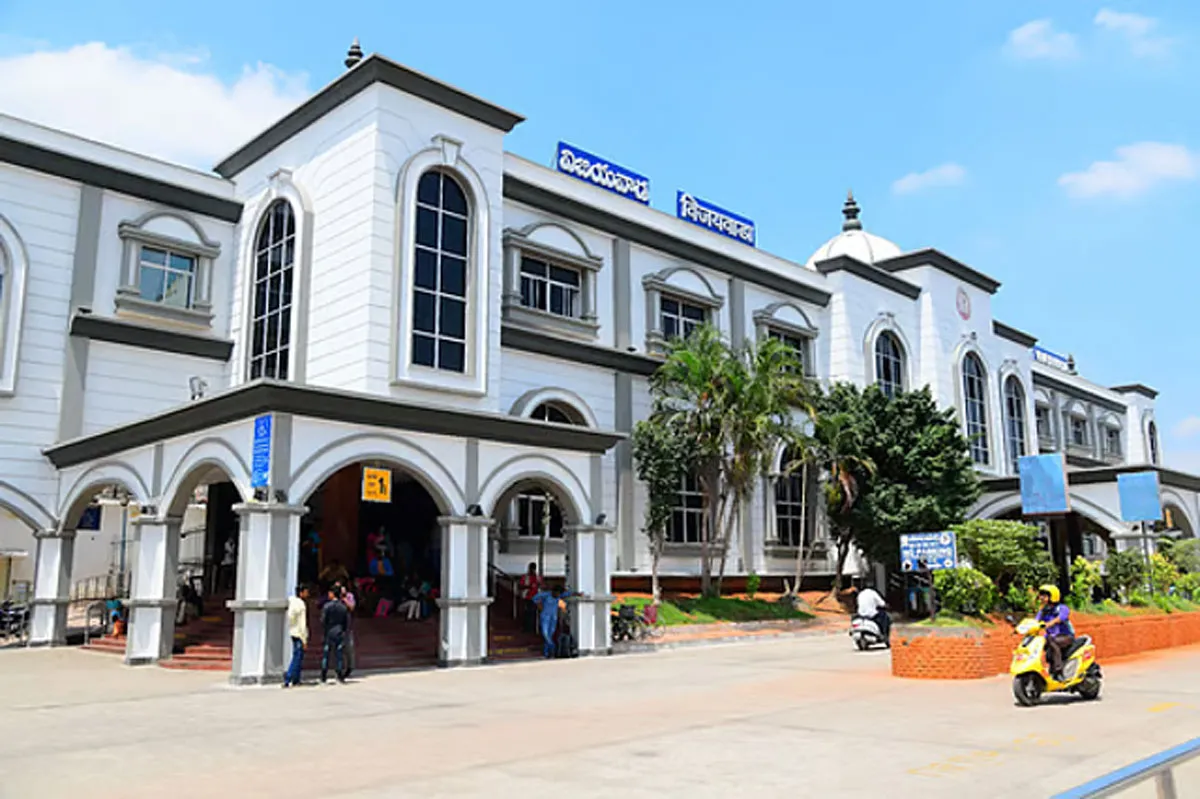
SCR Vijayawada Division Manages Sankranti Passenger Surge
RAILWAYS & METRO RAIL

SCR Vijayawada Division Manages Sankranti Passenger Surge

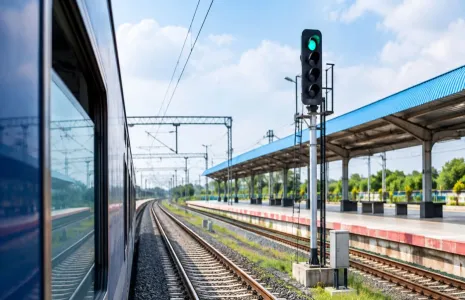
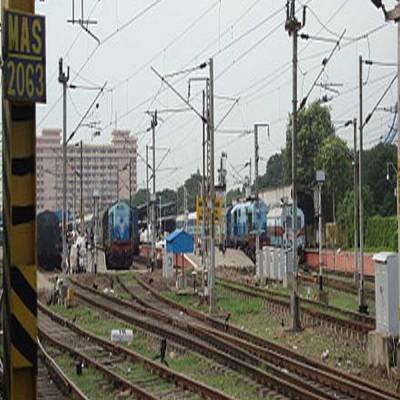
The Vijayawada Division of South Central Railway successfully managed the surge in passenger traffic during the Sankranti festival through detailed planning, coordination and operational efficiency. To meet the heightened travel demand, the division operated 254 special trains, ensuring smooth and safe movement of passengers across the region.

Of the total special trains, 54 originated from Vijayawada, 56 terminated within the division and 144 passed through, highlighting Vijayawada’s strategic importance as a major railway hub during peak festive travel periods.

January 12 emerged as the most challenging day of the season, with Rajahmundry station handling 198 trains despite being a bottleneck with limited operational flexibility. On the same day, Vijayawada Junction managed 296 trains, demonstrating strong operational capacity and effective traffic management.

Railway personnel at key stations worked round the clock, focusing on train regulation, platform management, crowd control, signalling and passenger guidance. Teams across departments, including station staff, pointsmen, loco pilots, guards, and signalling and engineering personnel, collaborated closely and often extended duty hours to maintain safety and punctuality.

The successful handling of the Sankranti rush underscored the professionalism and dedication of railway employees, whose efforts ensured safe travel for large volumes of passengers during one of the busiest periods of the year. Mohit Sonakiya, Divisional Railway Manager, said managing the Sankranti rush is always a major operational challenge and noted that coordinated teamwork played a crucial role in delivering seamless operations this year.

The Vijayawada Division of South Central Railway successfully managed the surge in passenger traffic during the Sankranti festival through detailed planning, coordination and operational efficiency. To meet the heightened travel demand, the division operated 254 special trains, ensuring smooth and safe movement of passengers across the region. Of the total special trains, 54 originated from Vijayawada, 56 terminated within the division and 144 passed through, highlighting Vijayawada’s strategic importance as a major railway hub during peak festive travel periods. January 12 emerged as the most challenging day of the season, with Rajahmundry station handling 198 trains despite being a bottleneck with limited operational flexibility. On the same day, Vijayawada Junction managed 296 trains, demonstrating strong operational capacity and effective traffic management. Railway personnel at key stations worked round the clock, focusing on train regulation, platform management, crowd control, signalling and passenger guidance. Teams across departments, including station staff, pointsmen, loco pilots, guards, and signalling and engineering personnel, collaborated closely and often extended duty hours to maintain safety and punctuality. The successful handling of the Sankranti rush underscored the professionalism and dedication of railway employees, whose efforts ensured safe travel for large volumes of passengers during one of the busiest periods of the year. Mohit Sonakiya, Divisional Railway Manager, said managing the Sankranti rush is always a major operational challenge and noted that coordinated teamwork played a crucial role in delivering seamless operations this year.

Next Story
Real Estate

A Paradigm Shift

The Indian real-estate and construction sector, which employs a significant number of organised and unorganised workers in the country, has embarked on a paradigm shift in its regulatory framework from an employment law perspective. With the four Labour Codes – the Code on Wages, 2019 (Wage Code); the Industrial Relations Code, 2020 (IR Code); the Code on Social Security, 2020 (SS Code) and the Occupational Safety, Health and Working Conditions Code, 2020 (OSH Code) – coming into effect in India from November 21, 2025, the industry is shifting away from a fragmented, contractor- driven com..

Next Story
Technology

We offer end-to-end traceability at scale

mjunction has evolved from an e-auction pioneer into a multi-vertical digital commerce platform with deep expertise in complex steel and coal supply chains. Its end-to-end, AI-led architecture focuses on price discovery, traceability, compliance and scalability, enabling transparent procurement, efficient logistics and data-driven decision-making across geographies. Vinaya Varma, MD, shares more about the company in conversation with CW.From a technology standpoint, what are the core USPs of mjunction today that differentiate it in steel and coal supply chains?mjunction has evolved b..

Next Story
Infrastructure Urban

Henkel, Rotary Recycle PoP Ganesha Idols Under Project HARMONY

Henkel India, in partnership with the Rotary Club of Navi Mumbai – Joy of Giving and with support from the Navi Mumbai Municipal Corporation (NMMC), has advanced circular sustainability through Project HARMONY by recycling Plaster of Paris (PoP) Ganesha idols into community learning assets. The initiative highlights an integrated approach to environmental restoration and social impact.As part of the project, materials collected after Ganesh Visarjan 2025 at Nerul were responsibly diverted from land and water bodies and processed at an authorised recycling facility, with on-ground execution s..

Advertisement

Subscribe to Our Newsletter

Get daily newsletters around different themes from Construction world.

STAY CONNECTED

Advertisement

Advertisement

Advertisement

Advertisement

Open In App