Suvendu Adhikari Proposes Metro Link Between Asansol And Siliguri
RAILWAYS & METRO RAIL

Suvendu Adhikari Proposes Metro Link Between Asansol And Siliguri

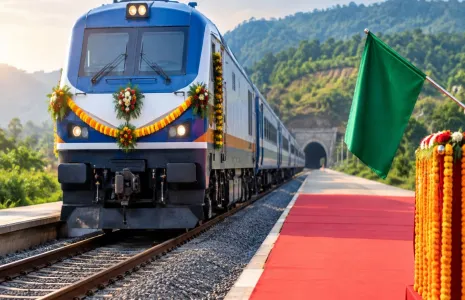
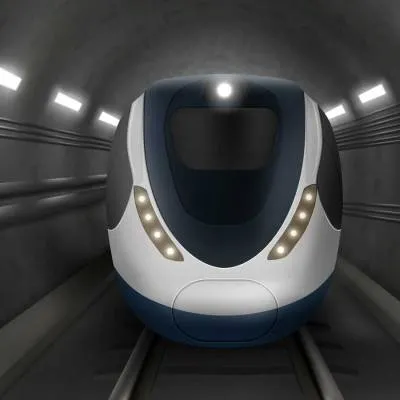
Suvendu Adhikari has unveiled a proposal for a metro network linking Asansol and Siliguri in West Bengal as part of a plan to improve regional connectivity and economic integration. The proposal will be presented to state and central authorities and calls for a detailed feasibility study and route assessment. The plan aims to connect industrial centres, educational institutions and tourist destinations along the corridor. Officials described the initiative as a strategic effort to reduce travel times and support balanced regional growth.

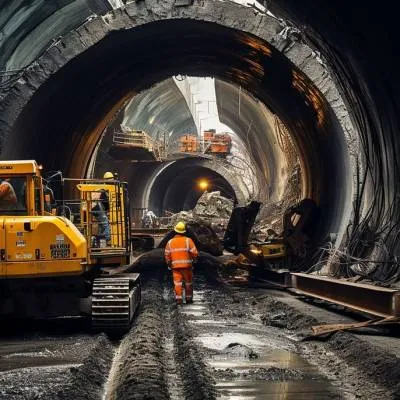
The feasibility study will assess technical alignment, station locations and integration with existing transport modes, and is expected to examine projected demand, environmental impact and land acquisition needs. Planners outlined targets for daily ridership of around 100,000 passengers and noted anticipated reductions in road congestion and vehicle emissions. The project outline includes phased construction to allow early commencement of priority stretches while further sections are developed. Early works and preparatory surveys are scheduled to start once approvals are secured.

Funding models under consideration include a mix of state funds, central assistance and public?private partnership arrangements to distribute fiscal burden and attract private investment. Projected capital expenditure is estimated at Rs one billion (bn) for initial planning and preliminary works, with comprehensive costing to follow the study. Authorities highlighted potential employment generation during construction and operation and expected wider economic benefits through improved market access and logistics efficiency. Environmental planners will evaluate measures to minimise ecological disruption and to promote modal shift to mass transit.

A steering committee is to be constituted to coordinate agencies and oversee the feasibility process, with technical consultancy to be commissioned through competitive tender. Timelines presented aim to conclude the study within 12 months and to identify priority sections for phased implementation thereafter. Stakeholder consultations with local governments, industry representatives and community groups will form part of the process. The proposal signals a renewed focus on integrated rail urbanisation across the region.

Suvendu Adhikari has unveiled a proposal for a metro network linking Asansol and Siliguri in West Bengal as part of a plan to improve regional connectivity and economic integration. The proposal will be presented to state and central authorities and calls for a detailed feasibility study and route assessment. The plan aims to connect industrial centres, educational institutions and tourist destinations along the corridor. Officials described the initiative as a strategic effort to reduce travel times and support balanced regional growth. The feasibility study will assess technical alignment, station locations and integration with existing transport modes, and is expected to examine projected demand, environmental impact and land acquisition needs. Planners outlined targets for daily ridership of around 100,000 passengers and noted anticipated reductions in road congestion and vehicle emissions. The project outline includes phased construction to allow early commencement of priority stretches while further sections are developed. Early works and preparatory surveys are scheduled to start once approvals are secured. Funding models under consideration include a mix of state funds, central assistance and public?private partnership arrangements to distribute fiscal burden and attract private investment. Projected capital expenditure is estimated at Rs one billion (bn) for initial planning and preliminary works, with comprehensive costing to follow the study. Authorities highlighted potential employment generation during construction and operation and expected wider economic benefits through improved market access and logistics efficiency. Environmental planners will evaluate measures to minimise ecological disruption and to promote modal shift to mass transit. A steering committee is to be constituted to coordinate agencies and oversee the feasibility process, with technical consultancy to be commissioned through competitive tender. Timelines presented aim to conclude the study within 12 months and to identify priority sections for phased implementation thereafter. Stakeholder consultations with local governments, industry representatives and community groups will form part of the process. The proposal signals a renewed focus on integrated rail urbanisation across the region.

Related Stories

Gold Stories

Next Story
Resources

Schindler named among Forbes’ World’s Best Employers 2026

Schindler has been named among Forbes’ World’s Best Employers 2026, a global ranking recognising companies for their workplace environments.Compiled by Forbes in partnership with Statista, the ranking is based on independent employee feedback, including whether employees would recommend their organisation to friends and family.The company said the recognition reflected its focus on creating a workplace where employees can develop their expertise and build careers. ..
Next Story
Infrastructure Urban

India needs an export-execution mindset: Vishesh Jain

Interview with Vishesh Jain, Founder & CEO, EximpleWhat gaps in India’s global trade ecosystem led you to build Eximple, and what problem did you see businesses struggling with most?Eximple came out of a problem that all three founders had seen from different choke points in the trade ecosystem. India has millions of MSMEs and manufacturers, and many of them can make products that are genuinely competitive on quality. Yet only a small fraction is able to build meaningful international businesses. In our experience, the gap is usually not manufacturing capability; it is the ability to exe..

Next Story
Building Material

Nuvoco reports 13.5% revenue growth in Q2 FY27

Nuvoco Vistas Corp. Ltd. reported consolidated revenue of Rs 27.9 billion for Q2 FY27, up 13.5% year on year. Cement sales volume rose 9% to 4.7 million tonnes (MMT), while EBITDA increased 11% to Rs 4.11 billion.The company said it began its cement operations in 2014 with a 2.3 MMT per annum (MMTPA) operation at Nimbol. It now aims to reach 35 MMTPA of cement capacity by FY28, nearly 15 times its initial capacity. Its portfolio spans cement, ready-mix concrete and modern building materials.On sustainability and cost efficiency, Nuvoco partnered with CleanMax for a 46.4 MW wind-solar hybrid re..

Advertisement

Subscribe to Our Newsletter

Get daily newsletters around different themes from Construction world.

STAY CONNECTED

Advertisement

SPECIAL OFFER
QR Code