Karnataka Invites Investors for Integrated Maritime PPP Projects
PORTS & SHIPPING

Karnataka Invites Investors for Integrated Maritime PPP Projects

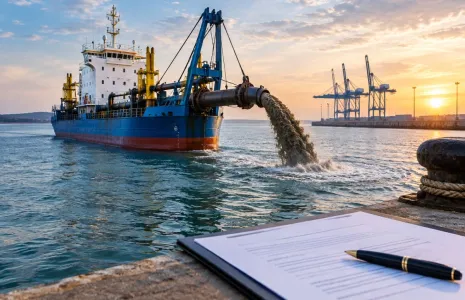
The Karnataka Maritime Board is shifting towards a public-private partnership (PPP) model to modernise the state’s coastal infrastructure, with plans extending beyond port capacity expansion to logistics, specialised shipbuilding and digital connectivity. The strategy is intended to create an integrated maritime network and improve efficiency across the state’s coastal economy.

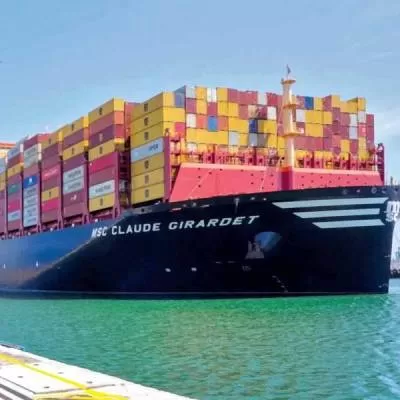
Karnataka currently manages one major port, New Mangalore Port, and 13 minor ports. The state is seeking private investment to improve operations and reduce logistics costs for regional businesses. Anchored by New Mangalore Port, the maritime cluster provides Karnataka with access to the Arabian Sea and supports port-led development along the western coast.

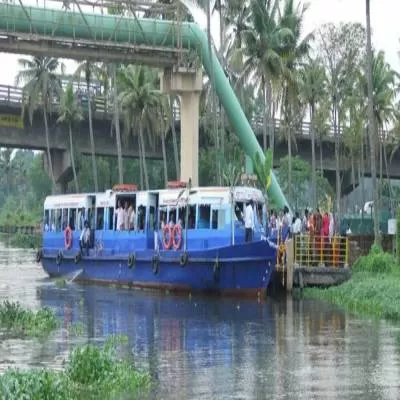
The development programme also includes river tourism and urban water transport initiatives along the Gurupura and Nethravati rivers. These projects are intended to create connected tourism routes and improve urban mobility by water, complementing port development with a broader approach to coastal and inland waterway infrastructure.

The initiative is based on the Karnataka Maritime Development Policy, which has identified 13 locations for maritime infrastructure development. They are Karwar, Belekeri, Keni, Tadri, Pavinakurve, Honnavar, Manki, Bhatkal, Kundapur, Hangarkatta, Malpe, Padubidri and Old Mangalore Port. The policy replaces the Karnataka Minor Ports Development Policy of 2014 and covers maritime tourism, greenfield ports, fisheries, industrial development, logistics and near-shore wind farms for renewable energy.

Implementation will be a key consideration for investors and industrial users. Mangalore Refinery and Petrochemicals (MRPL) has sought deeper port access to accommodate larger ships and reduce operating costs. The proposed PPP structure may reduce pressure on state finances, although improvements in logistics efficiency will depend on the pace of execution and how closely projects match the requirements of large industrial users.

The Karnataka Maritime Board is shifting towards a public-private partnership (PPP) model to modernise the state’s coastal infrastructure, with plans extending beyond port capacity expansion to logistics, specialised shipbuilding and digital connectivity. The strategy is intended to create an integrated maritime network and improve efficiency across the state’s coastal economy. Karnataka currently manages one major port, New Mangalore Port, and 13 minor ports. The state is seeking private investment to improve operations and reduce logistics costs for regional businesses. Anchored by New Mangalore Port, the maritime cluster provides Karnataka with access to the Arabian Sea and supports port-led development along the western coast. The development programme also includes river tourism and urban water transport initiatives along the Gurupura and Nethravati rivers. These projects are intended to create connected tourism routes and improve urban mobility by water, complementing port development with a broader approach to coastal and inland waterway infrastructure. The initiative is based on the Karnataka Maritime Development Policy, which has identified 13 locations for maritime infrastructure development. They are Karwar, Belekeri, Keni, Tadri, Pavinakurve, Honnavar, Manki, Bhatkal, Kundapur, Hangarkatta, Malpe, Padubidri and Old Mangalore Port. The policy replaces the Karnataka Minor Ports Development Policy of 2014 and covers maritime tourism, greenfield ports, fisheries, industrial development, logistics and near-shore wind farms for renewable energy. Implementation will be a key consideration for investors and industrial users. Mangalore Refinery and Petrochemicals (MRPL) has sought deeper port access to accommodate larger ships and reduce operating costs. The proposed PPP structure may reduce pressure on state finances, although improvements in logistics efficiency will depend on the pace of execution and how closely projects match the requirements of large industrial users.

Related Stories

Gold Stories

Next Story
Resources

Kalpataru Projects International elevates Amit Uplenchwar as Joint MD and CEO

Kalpataru Projects International (KPIL) has elevated Amit Uplenchwar as Joint Managing Director and CEO (designate), following approval by its board on 5 November 2026. He will take charge as Additional Director, Joint Managing Director and CEO from 1 January 2027 for a five-year term ending 31 December 2031, subject to shareholders' approval.Uplenchwar brings over three decades of experience in corporate strategy, business operations, business development, mergers and acquisitions, and international business management. His experience spans transportation, power, water, oil and gas, aerospace..

Next Story
Resources

HCC appoints Vivek Singhal as CEO

Hindustan Construction Company (HCC) has appointed Vivek Singhal as Chief Executive Officer, effective 5 November 2026. He brings over four decades of experience in infrastructure and engineering, procurement and construction (EPC), covering project execution, business leadership, business development and profit and loss management.Singhal has spent 16 years in international markets, delivering projects and managing assets worth approximately Rs 285 billion across five countries. His experience spans airports, metro rail, urban transport, hydropower, bridges and other infrastructure sectors.He..

Next Story
Infrastructure Energy

Essar Signs PPA for 300 MW Hybrid Renewable Energy Project

Essar Renewables, the renewable energy arm of Essar Power, has signed a Power Purchase Agreement (PPA) with NHPC for a 300 MW renewable energy project in Andhra Pradesh. The agreement follows the company’s successful bid for the project two years ago. Essar Power will invest approximately Rs. 45 bn in the development. The project will combine solar and wind generation with Battery Energy Storage Systems (BESS), enabling the supply of reliable and dispatchable renewable power. It forms part of Essar Power’s plan to build a diversified energy portfolio of approximately 5 GW across renewable,..

Advertisement

Subscribe to Our Newsletter

Get daily newsletters around different themes from Construction world.

STAY CONNECTED

Advertisement

SPECIAL OFFER
QR Code