
Rajnath Commissions ICGS Samudra Pratap in Goa
PORTS & SHIPPING

Rajnath Commissions ICGS Samudra Pratap in Goa

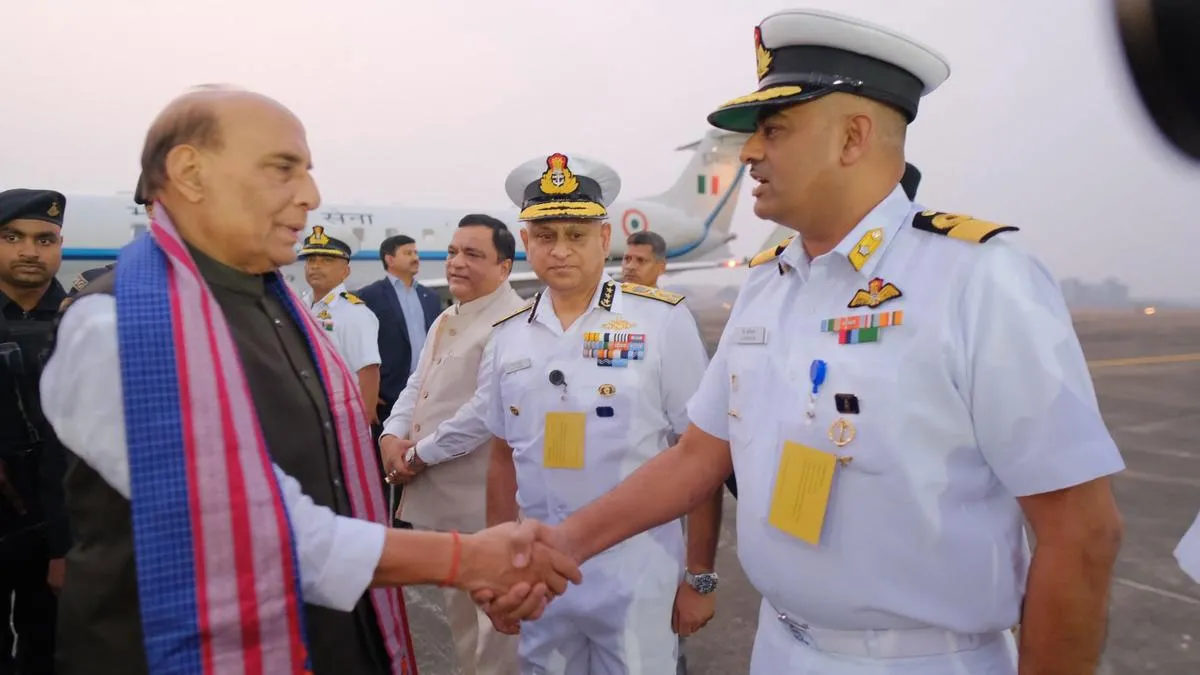
Rajnath Singh on Monday commissioned Indian Coast Guard Ship Samudra Pratap, the first of two indigenously designed pollution control vessels for the Indian Coast Guard, at Goa.

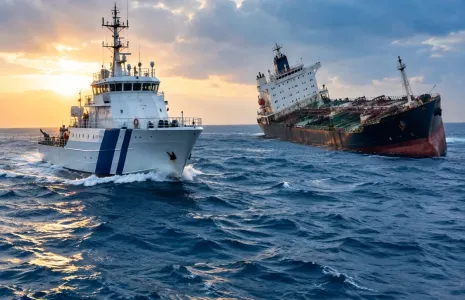
Built by Goa Shipyard Limited, the vessel has over 60 per cent indigenous content and has been described by the Defence Minister as a symbol of India’s maturing defence industrial ecosystem. The Ministry of Defence said Samudra Pratap is India’s first homegrown pollution control vessel and the largest ship in the Coast Guard’s fleet to date.

The induction of the ship significantly enhances the Coast Guard’s capabilities in pollution response, fire-fighting, maritime safety, environmental protection and extended surveillance across India’s vast maritime zones. Singh said the vessel integrates multiple operational roles on a single platform, making it effective not only for pollution control but also for coastal patrol and maritime security in an increasingly complex maritime environment.

Samudra Pratap is equipped with advanced pollution detection systems, specialised response boats, modern fire-fighting equipment and aviation facilities, including a helicopter hangar. These features enable wider operational reach, even in rough sea conditions, and ensure rapid detection and containment of pollution incidents, helping protect coral reefs, mangroves, fisheries and marine biodiversity. The minister said this would directly support coastal communities and strengthen the blue economy.

Emphasising that marine environmental protection is both a strategic necessity and a moral responsibility, Singh praised the Coast Guard’s role in oil spill response, search and rescue, maritime law enforcement and coastal cleanliness. He said India stands as a responsible maritime power committed to peace, stability and environmental responsibility in the Indo-Pacific region.

In a notable first, Samudra Pratap will have two women officers on board. Singh described this as a proud step towards a more inclusive and gender-neutral Coast Guard, reflecting the expanding role of women in frontline maritime operations.

Reaffirming the government’s commitment to modernising the Coast Guard, the Defence Minister highlighted the need for an intelligence-driven and integration-centric force to address emerging technology-led threats. He said Samudra Pratap will play a key role in strengthening India’s maritime governance and environmental protection framework.

Rajnath Singh on Monday commissioned Indian Coast Guard Ship Samudra Pratap, the first of two indigenously designed pollution control vessels for the Indian Coast Guard, at Goa. Built by Goa Shipyard Limited, the vessel has over 60 per cent indigenous content and has been described by the Defence Minister as a symbol of India’s maturing defence industrial ecosystem. The Ministry of Defence said Samudra Pratap is India’s first homegrown pollution control vessel and the largest ship in the Coast Guard’s fleet to date. The induction of the ship significantly enhances the Coast Guard’s capabilities in pollution response, fire-fighting, maritime safety, environmental protection and extended surveillance across India’s vast maritime zones. Singh said the vessel integrates multiple operational roles on a single platform, making it effective not only for pollution control but also for coastal patrol and maritime security in an increasingly complex maritime environment. Samudra Pratap is equipped with advanced pollution detection systems, specialised response boats, modern fire-fighting equipment and aviation facilities, including a helicopter hangar. These features enable wider operational reach, even in rough sea conditions, and ensure rapid detection and containment of pollution incidents, helping protect coral reefs, mangroves, fisheries and marine biodiversity. The minister said this would directly support coastal communities and strengthen the blue economy. Emphasising that marine environmental protection is both a strategic necessity and a moral responsibility, Singh praised the Coast Guard’s role in oil spill response, search and rescue, maritime law enforcement and coastal cleanliness. He said India stands as a responsible maritime power committed to peace, stability and environmental responsibility in the Indo-Pacific region. In a notable first, Samudra Pratap will have two women officers on board. Singh described this as a proud step towards a more inclusive and gender-neutral Coast Guard, reflecting the expanding role of women in frontline maritime operations. Reaffirming the government’s commitment to modernising the Coast Guard, the Defence Minister highlighted the need for an intelligence-driven and integration-centric force to address emerging technology-led threats. He said Samudra Pratap will play a key role in strengthening India’s maritime governance and environmental protection framework.

Next Story
Infrastructure Transport

MMRDA: Engineering Mumbai’s Underground Future

Somewhere beneath Mumbai’s restless surface, a second city is being built into existence.In the late afternoon, as the day leaned towards evening, Dr Sanjay Mukherjee, Metropolitan Commissioner (MMRDA), led us into a realm that very few ever enter—the active heart of one of Mumbai’s most ambitious underground road projects. While the city surges forward in familiar chaos above the ground, another Mumbai is taking shape below: quietly, methodically, irrevocably. The metal lift doors clo..

Next Story
Building Material

Steel: Shielded or Strengthened?

Going forward, domestic steel mills are targeting capacity expansion of nearly 40 per cent through till FY31, adding 80-85 mt, translating into an investment pipeline of $ 45-50 billion. So, Jhunjhunwala points out that continuing the safeguard duty will be vital to prevent a surge in imports and protect domestic prices from external shocks. While in FY26, the industry operating profit per tonne is expected to hold at around $ 108, similar to last year, the industry’s earnings must meaningfully improve from hereon to sustain large-scale investments. Else, domestic mills could..

Next Story
Infrastructure Transport

Metro Moves: From Expansion to System Integration

India’s metro rail programme has entered a new phase—one where the focus is no longer only on adding kilometres, but on building integrated, reliable and financially sustainable urban transit systems. With more than 1,000 km of metro lines already operational and daily ridership exceeding 10 million, the challenge now lies in execution quality, underground risk management, multimodal integration, viable funding structures, and large-scale digital adoption. These themes framed deliber..

Advertisement

Subscribe to Our Newsletter

Get daily newsletters around different themes from Construction world.

STAY CONNECTED

Advertisement

Advertisement

Advertisement

Advertisement

Open In App