SDHI Signs MoU with Gujarat Maritime Board for Rs 4.25bn
PORTS & SHIPPING

SDHI Signs MoU with Gujarat Maritime Board for Rs 4.25bn

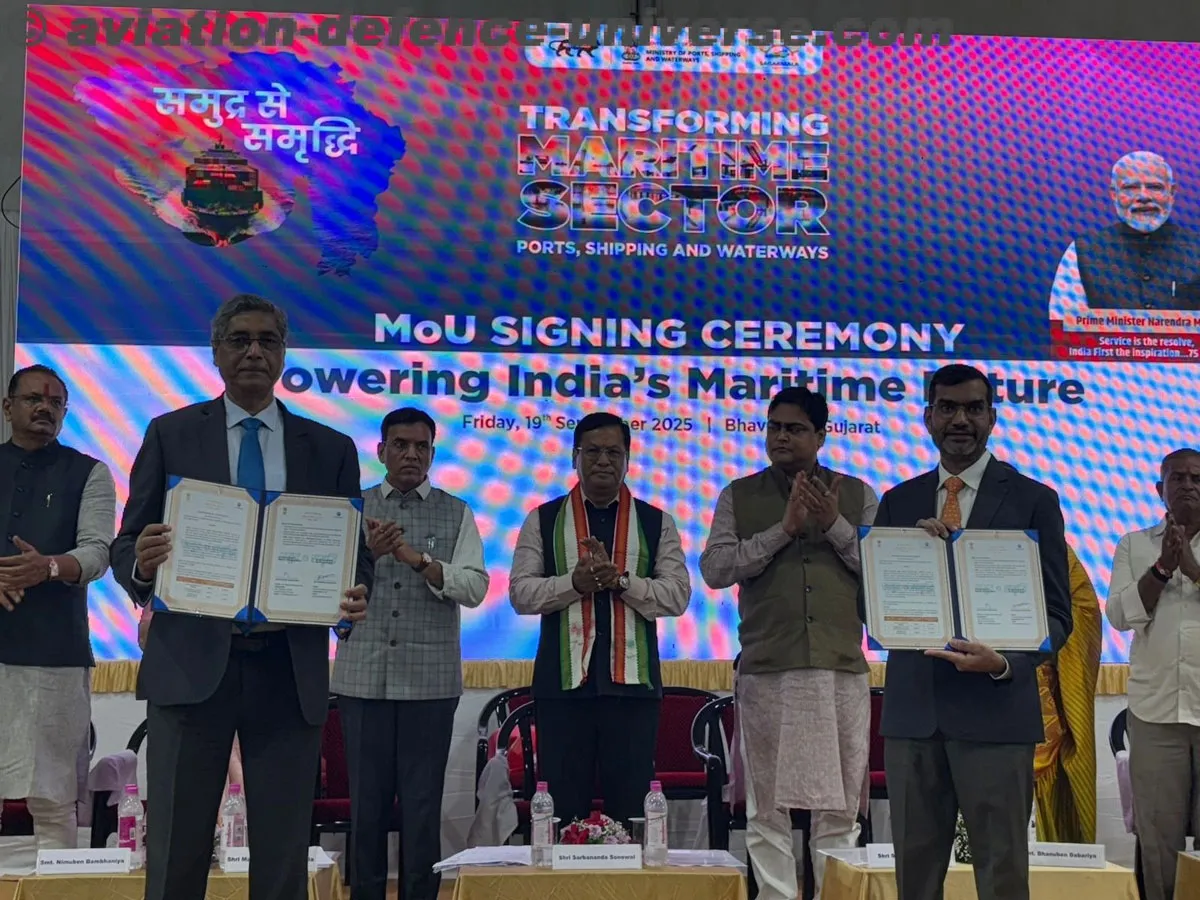
Swan Defence and Heavy Industries Limited (SDHI) has signed a Memorandum of Understanding with the Gujarat Maritime Board (GMB) for a strategic investment of Rs 4.25 billion. The partnership aims to modernise shipyard infrastructure, strengthen domestic supply chains, and develop a sustainable talent pipeline for India’s maritime industry.
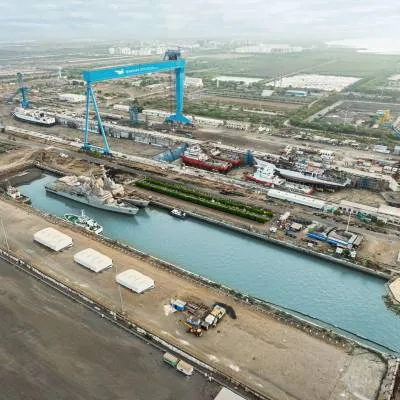
The investment will be deployed across three key projects at the Pipavav Port shipyard in Gujarat, home to India’s largest dry dock with capacity to build vessels up to 400,000 DWT. Rs 3.5 billion will be allocated for capacity expansion, including slipways, jetties, additional cranes, block fabrication, and dredging, enhancing the shipyard’s ability to meet both global and domestic shipbuilding demand.
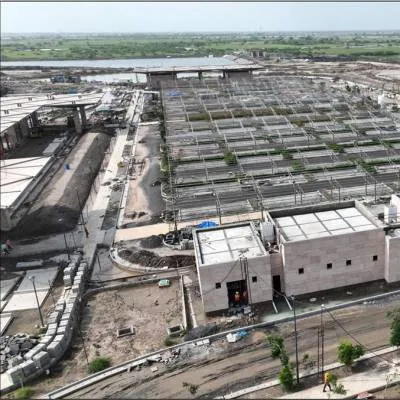
A Rs 200 million world-class Centre of Excellence for Maritime will train over 1,000 youth annually, featuring smart classrooms, specialised labs, advanced simulators, and design software for innovation in ship design, shipbuilding, and retrofits.
SDHI will also develop a 200-acre Maritime Cluster with an investment of Rs 550 million, serving as a hub for ancillary industries, suppliers, and support services to boost efficiency, local economy, and global trade.
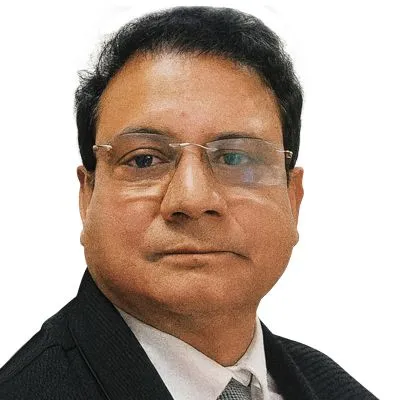
Rear Admiral Vipin Kumar Saxena (Retd.), CEO of SDHI, said the partnership would “add world-class capabilities that accelerate India’s shipbuilding ecosystem and cement our nation’s place on the global maritime map for decades to come.”

Swan Defence and Heavy Industries Limited (SDHI) has signed a Memorandum of Understanding with the Gujarat Maritime Board (GMB) for a strategic investment of Rs 4.25 billion. The partnership aims to modernise shipyard infrastructure, strengthen domestic supply chains, and develop a sustainable talent pipeline for India’s maritime industry.The investment will be deployed across three key projects at the Pipavav Port shipyard in Gujarat, home to India’s largest dry dock with capacity to build vessels up to 400,000 DWT. Rs 3.5 billion will be allocated for capacity expansion, including slipways, jetties, additional cranes, block fabrication, and dredging, enhancing the shipyard’s ability to meet both global and domestic shipbuilding demand.A Rs 200 million world-class Centre of Excellence for Maritime will train over 1,000 youth annually, featuring smart classrooms, specialised labs, advanced simulators, and design software for innovation in ship design, shipbuilding, and retrofits.SDHI will also develop a 200-acre Maritime Cluster with an investment of Rs 550 million, serving as a hub for ancillary industries, suppliers, and support services to boost efficiency, local economy, and global trade.Rear Admiral Vipin Kumar Saxena (Retd.), CEO of SDHI, said the partnership would “add world-class capabilities that accelerate India’s shipbuilding ecosystem and cement our nation’s place on the global maritime map for decades to come.”

Next Story
Infrastructure Transport

India Becomes First to Produce Bio-Bitumen for Roads

India has become the first country in the world to commercially produce bio-bitumen for use in road construction, according to Road, Transport and Highways Minister Nitin Gadkari. Bitumen, a black and viscous hydrocarbon derived from crude oil, is a key binding material in road building, and the bio-based alternative is expected to significantly improve the sector’s environmental footprint.Addressing the CSIR Technology Transfer Ceremony in New Delhi, Mr Gadkari congratulated Council of Scientific and Industrial Research on achieving the milestone, noting that the initiative would help curb ..

Next Story
Infrastructure Urban

HILT Policy Seen Boosting Telangana Revenue Sharply

The Hyderabad Industrial Land Transformation (HILT) Policy is expected to generate around Rs 1.08 billion in revenue for the Telangana state exchequer, according to Deputy Chief Minister Bhatti Vikramarka Mallu. Speaking in the Telangana Legislative Assembly, he said the policy would be implemented within a six-month timeframe in a transparent manner, with uniform rules applicable to all stakeholders. Mr Vikramarka noted that without the HILT Policy, the state would have earned only about Rs 1.2 million per acre. Under the new framework, however, revenue is projected to rise sharply to Rs 70 ..

Next Story
Infrastructure Urban

India Post, MoRD Tie Up to Boost Rural Inclusion

The Department of Posts and the Ministry of Rural Development have signed a Memorandum of Understanding to accelerate rural transformation and expand financial, digital and logistics services for Self-Help Groups (SHGs) and rural households across India. The agreement was signed in the presence of Union Minister of Communications and Development of North Eastern Region Jyotiraditya M. Scindia and Union Minister of Rural Development and Agriculture and Farmers’ Welfare Shivraj Singh Chouhan. The collaboration aligns with the government’s “Dak Sewa, Jan Sewa” vision and seeks to repositi..

Advertisement

Subscribe to Our Newsletter

Get daily newsletters around different themes from Construction world.

STAY CONNECTED

Advertisement

Advertisement

Advertisement

Advertisement

Open In App