Maharashtra Nears Smart Cities Finish, Rs 15.6bn Still Pending
SMART CITIES

Maharashtra Nears Smart Cities Finish, Rs 15.6bn Still Pending

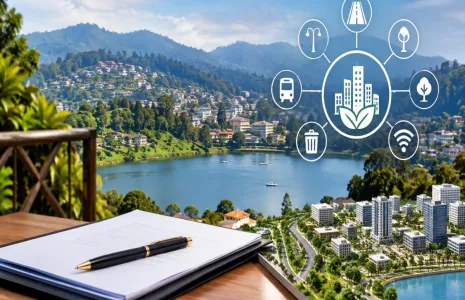
Cities in Maharashtra under the Smart Cities Mission (SCM) are nearing the end of implementation, with over 94 per cent of sanctioned projects completed. However, projects worth more than Rs 15.55 billion remain unfinished, pointing to uneven progress across cities and sectors.

According to official data, Maharashtra’s eight smart cities were allotted 347 projects with a total outlay of Rs 169.8 billion. Of these, 328 projects valued at Rs 154.25 billion have been completed, while 19 projects involving Rs 15.55 billion are still under execution.

Launched in 2014 under Prime Minister Narendra Modi, the Smart Cities Mission aimed to develop 100 cities across India. Maharashtra cities included in the programme were Aurangabad (now Chhatrapati Sambhajinagar), Kalyan-Dombivli, Nagpur, Nashik, Pimpri-Chinchwad, Pune, Solapur and Thane. With the mission concluding on March 31, 2025, there is no budgetary allocation under SCM for the current financial year.

Uneven City-Wise Progress

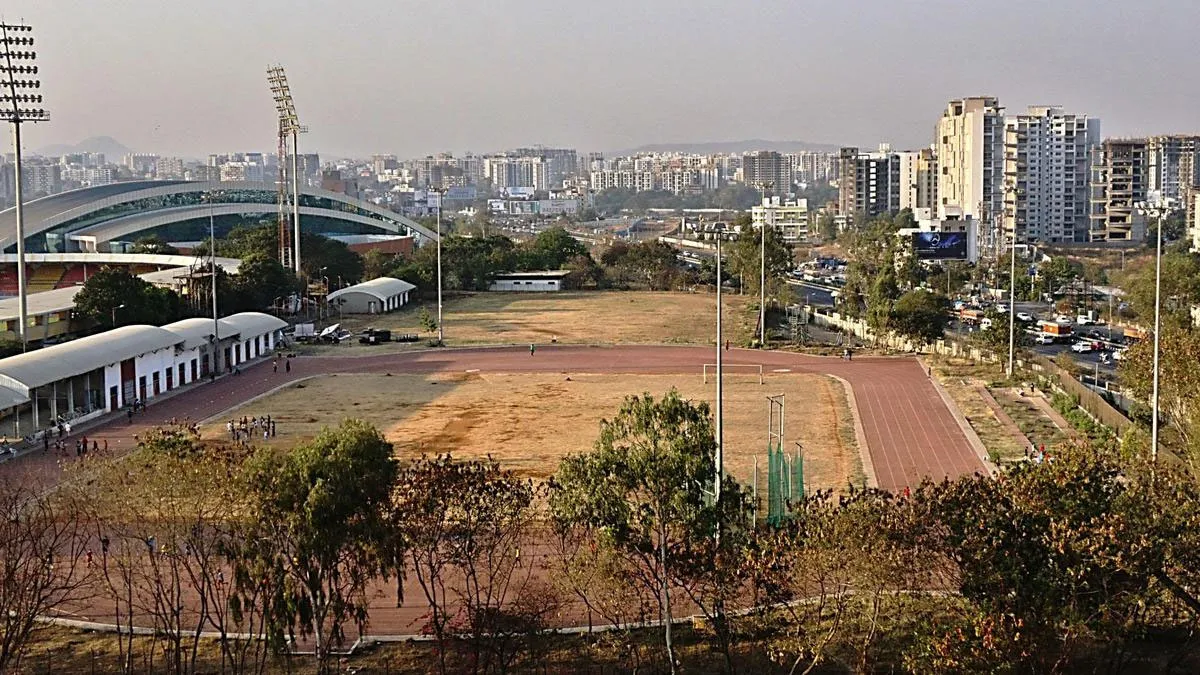
Pune and Solapur have emerged as full achievers. Pune completed all 55 of its projects, amounting to Rs 33.33 billion, while Solapur finished 49 projects worth Rs 15.87 billion, with no pending works.

Nashik, one of the largest beneficiaries, completed 51 of its 53 projects, accounting for Rs 30.12 billion out of a total allocation of Rs 31.97 billion. Two projects worth Rs 1.85 billion remain under execution.

Chhatrapati Sambhajinagar completed 45 of 47 projects, though pending works still account for Rs 1.45 billion. Thane has two unfinished projects valued at Rs 3.10 billion, while Nagpur has the highest number of pending projects—nine—together worth Rs 2.60 billion.

Kalyan-Dombivli presents a different challenge. While only three projects are pending, their combined value stands at Rs 5.23 billion, making it one of the costliest unfinished portfolios in the State. Pimpri-Chinchwad has a single pending project valued at Rs 1.32 billion.

Sectoral Trends

Sector-wise analysis shows strong completion in social and utility-focused infrastructure. Smart energy, social infrastructure and environment projects have achieved 100 per cent completion, together accounting for over Rs 31.67 billion. Water, sanitation and hygiene projects recorded around 95 per cent completion, while vibrant public spaces and smart governance crossed 97 per cent.

The largest lag is in smart mobility, the biggest sector by value. Although projects worth Rs 55.05 billion have been completed, full closure remains elusive due to delays in road redesign, intelligent transport systems and last-mile connectivity works.

Officials noted that much of the spending under the mission has gone towards addressing basic infrastructure gaps rather than building advanced “smart” urban systems, highlighting the continuing challenge of meeting essential civic needs even under flagship urban programmes.

Cities in Maharashtra under the Smart Cities Mission (SCM) are nearing the end of implementation, with over 94 per cent of sanctioned projects completed. However, projects worth more than Rs 15.55 billion remain unfinished, pointing to uneven progress across cities and sectors. According to official data, Maharashtra’s eight smart cities were allotted 347 projects with a total outlay of Rs 169.8 billion. Of these, 328 projects valued at Rs 154.25 billion have been completed, while 19 projects involving Rs 15.55 billion are still under execution. Launched in 2014 under Prime Minister Narendra Modi, the Smart Cities Mission aimed to develop 100 cities across India. Maharashtra cities included in the programme were Aurangabad (now Chhatrapati Sambhajinagar), Kalyan-Dombivli, Nagpur, Nashik, Pimpri-Chinchwad, Pune, Solapur and Thane. With the mission concluding on March 31, 2025, there is no budgetary allocation under SCM for the current financial year. Uneven City-Wise Progress Pune and Solapur have emerged as full achievers. Pune completed all 55 of its projects, amounting to Rs 33.33 billion, while Solapur finished 49 projects worth Rs 15.87 billion, with no pending works. Nashik, one of the largest beneficiaries, completed 51 of its 53 projects, accounting for Rs 30.12 billion out of a total allocation of Rs 31.97 billion. Two projects worth Rs 1.85 billion remain under execution. Chhatrapati Sambhajinagar completed 45 of 47 projects, though pending works still account for Rs 1.45 billion. Thane has two unfinished projects valued at Rs 3.10 billion, while Nagpur has the highest number of pending projects—nine—together worth Rs 2.60 billion. Kalyan-Dombivli presents a different challenge. While only three projects are pending, their combined value stands at Rs 5.23 billion, making it one of the costliest unfinished portfolios in the State. Pimpri-Chinchwad has a single pending project valued at Rs 1.32 billion. Sectoral Trends Sector-wise analysis shows strong completion in social and utility-focused infrastructure. Smart energy, social infrastructure and environment projects have achieved 100 per cent completion, together accounting for over Rs 31.67 billion. Water, sanitation and hygiene projects recorded around 95 per cent completion, while vibrant public spaces and smart governance crossed 97 per cent. The largest lag is in smart mobility, the biggest sector by value. Although projects worth Rs 55.05 billion have been completed, full closure remains elusive due to delays in road redesign, intelligent transport systems and last-mile connectivity works. Officials noted that much of the spending under the mission has gone towards addressing basic infrastructure gaps rather than building advanced “smart” urban systems, highlighting the continuing challenge of meeting essential civic needs even under flagship urban programmes.

Next Story
Real Estate

A Paradigm Shift

The Indian real-estate and construction sector, which employs a significant number of organised and unorganised workers in the country, has embarked on a paradigm shift in its regulatory framework from an employment law perspective. With the four Labour Codes – the Code on Wages, 2019 (Wage Code); the Industrial Relations Code, 2020 (IR Code); the Code on Social Security, 2020 (SS Code) and the Occupational Safety, Health and Working Conditions Code, 2020 (OSH Code) – coming into effect in India from November 21, 2025, the industry is shifting away from a fragmented, contractor- driven com..

Next Story
Technology

We offer end-to-end traceability at scale

mjunction has evolved from an e-auction pioneer into a multi-vertical digital commerce platform with deep expertise in complex steel and coal supply chains. Its end-to-end, AI-led architecture focuses on price discovery, traceability, compliance and scalability, enabling transparent procurement, efficient logistics and data-driven decision-making across geographies. Vinaya Varma, MD, shares more about the company in conversation with CW.From a technology standpoint, what are the core USPs of mjunction today that differentiate it in steel and coal supply chains?mjunction has evolved b..

Next Story
Infrastructure Urban

Henkel, Rotary Recycle PoP Ganesha Idols Under Project HARMONY

Henkel India, in partnership with the Rotary Club of Navi Mumbai – Joy of Giving and with support from the Navi Mumbai Municipal Corporation (NMMC), has advanced circular sustainability through Project HARMONY by recycling Plaster of Paris (PoP) Ganesha idols into community learning assets. The initiative highlights an integrated approach to environmental restoration and social impact.As part of the project, materials collected after Ganesh Visarjan 2025 at Nerul were responsibly diverted from land and water bodies and processed at an authorised recycling facility, with on-ground execution s..

Advertisement

Subscribe to Our Newsletter

Get daily newsletters around different themes from Construction world.

STAY CONNECTED

Advertisement

Advertisement

Advertisement

Advertisement

Open In App