+
Bihar Pushes Inland Waterways to Cut Logistics Costs
WAREHOUSING & LOGISTICS

Bihar Pushes Inland Waterways to Cut Logistics Costs

The Bihar government is preparing a comprehensive strategy to promote inland waterways as a key driver of industrial development, aiming to reduce freight costs by up to 50 per cent compared with road transport. Officials said the initiative will also enable nearly four times more raw material to be transported in a single shipment, delivering significant savings in fuel and toll expenses.

A dedicated roadmap is being developed to strengthen water-based transport infrastructure in the state. Under the plan, goods from Bihar will be routed through West Bengal and Maharashtra to international markets. The government expects waterways to facilitate easier and more economical movement of sand, agricultural produce and heavy cargo.

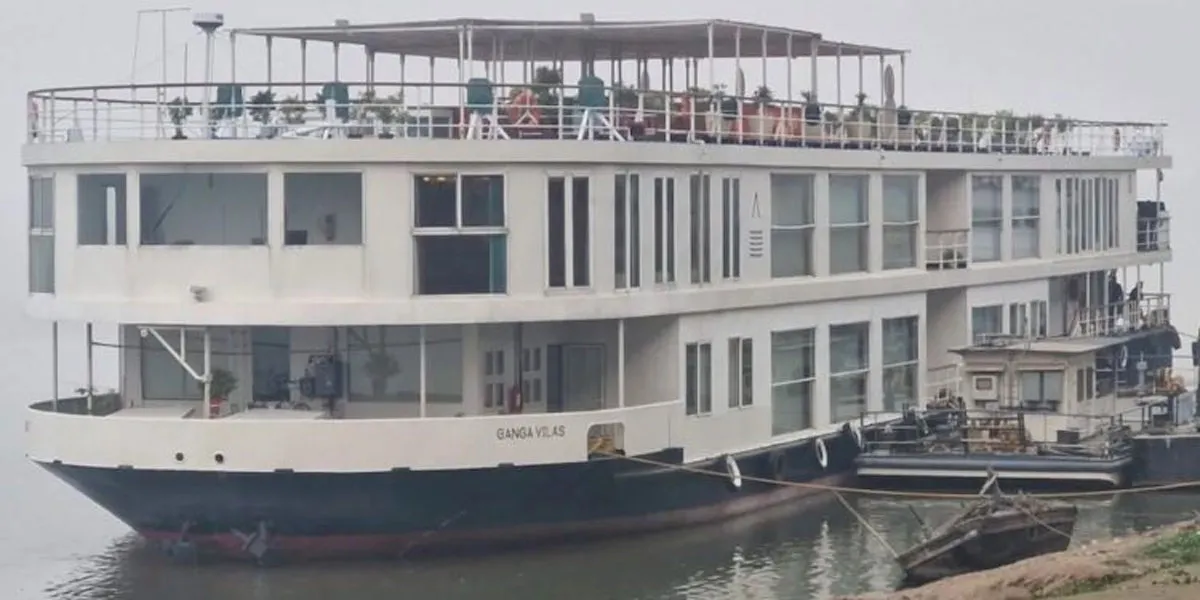
Currently, two Ro-Pax vessels operate in Bihar, one in Patna and another in Bhagalpur. The state has 21 community jetties, with 17 additional jetties planned at new locations. Markets will be developed near these jetties to enable direct sale of fresh fruits and vegetables, while new inter-state terminals will be created to support large-scale cargo movement through rivers.

Under the Jalvahak cargo transport scheme, Bihar has proposed reducing the minimum distance required for subsidy eligibility on National Waterway-1 from 300 km to 100 km. This move is expected to help shipping operators access central government incentives and accelerate water transport between key locations such as Buxar, Kalughat, Patna–Hajipur, Mokama, Bhagalpur and Sahibganj.

In the first phase, Bihar is expected to receive around a dozen cargo vessels from the Centre. Discussions between the Union Ministry of Ports, Shipping and Waterways and the state government are scheduled later this month to finalise key decisions.

Experts have emphasised the importance of local expertise for safe navigation. Ganga river expert Rajendra Sahni said experienced fishermen with deep knowledge of river depth and currents should be deployed before cargo vessels begin operations to avoid risks such as ships getting stranded.

Inland waterway transport is significantly cheaper than road transport. The average cost of water-based freight is estimated at around Rs 1 to Rs 1.50 per tonne per kilometre, compared with Rs 2.50 to Rs 4 per tonne per kilometre by road. For instance, transporting 100 tonnes of goods over 500 km by water would cost around Rs 50,000 to Rs 75,000, while the same cargo by road would cost between Rs 125,000 and Rs 200,000.

Officials said the cost advantage of inland waterways could significantly enhance Bihar’s industrial competitiveness and attract fresh investment into the state.

The Bihar government is preparing a comprehensive strategy to promote inland waterways as a key driver of industrial development, aiming to reduce freight costs by up to 50 per cent compared with road transport. Officials said the initiative will also enable nearly four times more raw material to be transported in a single shipment, delivering significant savings in fuel and toll expenses. A dedicated roadmap is being developed to strengthen water-based transport infrastructure in the state. Under the plan, goods from Bihar will be routed through West Bengal and Maharashtra to international markets. The government expects waterways to facilitate easier and more economical movement of sand, agricultural produce and heavy cargo. Currently, two Ro-Pax vessels operate in Bihar, one in Patna and another in Bhagalpur. The state has 21 community jetties, with 17 additional jetties planned at new locations. Markets will be developed near these jetties to enable direct sale of fresh fruits and vegetables, while new inter-state terminals will be created to support large-scale cargo movement through rivers. Under the Jalvahak cargo transport scheme, Bihar has proposed reducing the minimum distance required for subsidy eligibility on National Waterway-1 from 300 km to 100 km. This move is expected to help shipping operators access central government incentives and accelerate water transport between key locations such as Buxar, Kalughat, Patna–Hajipur, Mokama, Bhagalpur and Sahibganj. In the first phase, Bihar is expected to receive around a dozen cargo vessels from the Centre. Discussions between the Union Ministry of Ports, Shipping and Waterways and the state government are scheduled later this month to finalise key decisions. Experts have emphasised the importance of local expertise for safe navigation. Ganga river expert Rajendra Sahni said experienced fishermen with deep knowledge of river depth and currents should be deployed before cargo vessels begin operations to avoid risks such as ships getting stranded. Inland waterway transport is significantly cheaper than road transport. The average cost of water-based freight is estimated at around Rs 1 to Rs 1.50 per tonne per kilometre, compared with Rs 2.50 to Rs 4 per tonne per kilometre by road. For instance, transporting 100 tonnes of goods over 500 km by water would cost around Rs 50,000 to Rs 75,000, while the same cargo by road would cost between Rs 125,000 and Rs 200,000. Officials said the cost advantage of inland waterways could significantly enhance Bihar’s industrial competitiveness and attract fresh investment into the state.

Next Story
Infrastructure Transport

Second Mountain Tunnel Breakthrough in Palghar Advances High Speed Rail

The Mumbai-Ahmedabad high speed rail (MAHSR) project reached a milestone with the breakthrough of a mountain tunnel in Palghar, Maharashtra. Mountain tunnel MT-six measures 454 metres long and 14.4 metres wide and will accommodate up and down tracks. The breakthrough follows MT-five near Saphale on second January 2026 and the MT-six excavation was completed from both ends using the New Austrian Tunnelling Method. The ministry reported that the tunnelling was completed within 12 months. The New Austrian Tunnelling Method is favoured for its flexibility in complex geology and irregular tunnel s..

Next Story
Infrastructure Transport

Modi Government Pushes Atmanirbhar Container Drive With BCSL MoU

The Union Government advanced a plan to create an integrated, domestically anchored container ecosystem with the signing of a Memorandum of Understanding to establish the Bharat Container Shipping Line (BCSL). The MoU was signed by key agencies including the Shipping Corporation of India and Container Corporation of India alongside major port authorities and Sagarmala Finance Corporation Limited under the Ministry of Ports, Shipping and Waterways, in the presence of senior ministers. The initiative aligns with the Container Manufacturing Assistance Scheme announced in the Union Budget 2026–2..

Next Story
Infrastructure Urban

Ministry Reports Gains In Mobility For Marginalised Communities

The Ministry of Social Justice and Empowerment is implementing skill development, education and rehabilitation schemes to promote socio-economic mobility and sustainable livelihoods for marginalised and disadvantaged communities across the country. Programmes target Scheduled Castes, Other Backward Classes, Economically Weaker Sections, De-notified Tribes and Safai Karamcharis through specialised implementing corporations and empanelled training institutes. Pradhan Mantri Dakshata Aur Kushalta Sampann Hitgrahi Yojana, or PM-DAKSH, provided skill training and placement support through the Nati..

Advertisement

Subscribe to Our Newsletter

Get daily newsletters around different themes from Construction world.

STAY CONNECTED

Advertisement

Advertisement

Advertisement

Open In App