Multimodal Corridors Reshape India’s Freight Logistics
WAREHOUSING & LOGISTICS

Multimodal Corridors Reshape India’s Freight Logistics

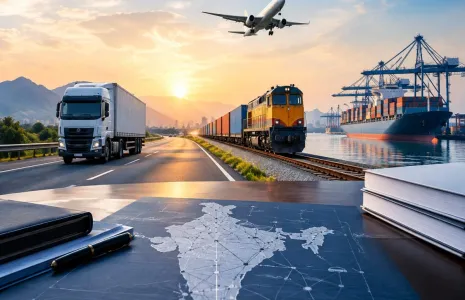
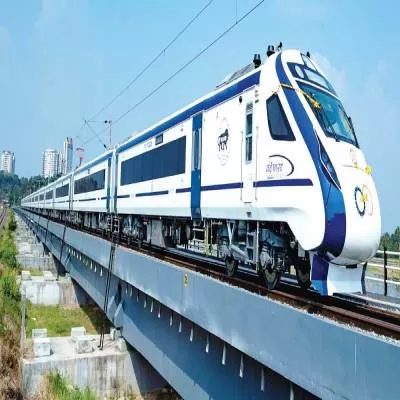
India’s freight and logistics landscape is undergoing a structural transformation, driven by Dedicated Freight Corridors (DFCs) and an expanding network of multimodal logistics infrastructure. Purpose-built freight rail corridors, combined with integrated logistics parks, are enabling faster, more predictable and cost-efficient cargo movement across the country.

The Eastern and Western DFCs together span more than 2,800 km, with most sections now operational. Designed exclusively for freight, these corridors allow longer, heavier and faster trains, significantly improving throughput. Freight volumes on DFCs have grown sharply, while average train speeds on the Western Corridor now exceed 51 kmph. By shifting cargo away from mixed-use rail lines, the corridors are also releasing capacity for passenger services.

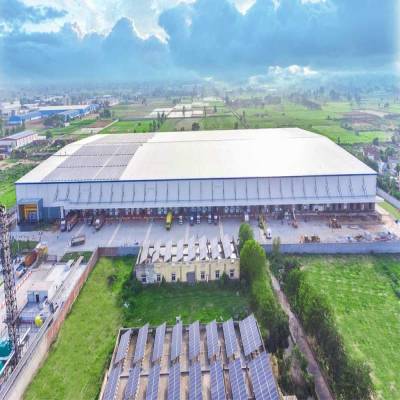
The impact of DFCs is being amplified through their integration with cities, ports, highways and airports. Private cargo terminals such as the New Sanjali Cargo Terminal near Ahmedabad, along with proposed multimodal logistics parks (MMLPs), are emerging as regional freight hubs. These facilities bring together rail connectivity, road access, warehousing, cold storage and customs services within a single ecosystem.

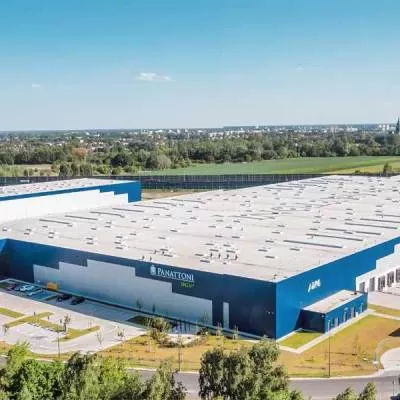
Under the Logistics Efficiency Enhancement Programme, the government is planning a network of large MMLPs at strategic locations including Bengaluru, Chennai, Guwahati and Nagpur. Private developers are also investing in multimodal parks with links to DFCs, airports and existing dry ports, strengthening last-mile and first-mile connectivity.

The combined DFC–multimodal model is enabling modal shifts from road to rail, lowering logistics costs and emissions through electrified corridors, double-stack containers and predictable transit schedules. It is also improving network efficiency by consolidating cargo flows and supporting just-in-time supply chains.

Supporting this physical infrastructure is the National Logistics Data System (NLDS), which integrates data across corridors and terminals. By enabling real-time visibility, route coordination, demand forecasting and performance benchmarking, NLDS is helping optimise operations and guide future planning decisions.

Together, DFCs, multimodal logistics parks and digital platforms are laying the foundation for a faster, cleaner and more resilient freight network, positioning logistics as a critical enabler of India’s economic growth.

India’s freight and logistics landscape is undergoing a structural transformation, driven by Dedicated Freight Corridors (DFCs) and an expanding network of multimodal logistics infrastructure. Purpose-built freight rail corridors, combined with integrated logistics parks, are enabling faster, more predictable and cost-efficient cargo movement across the country. The Eastern and Western DFCs together span more than 2,800 km, with most sections now operational. Designed exclusively for freight, these corridors allow longer, heavier and faster trains, significantly improving throughput. Freight volumes on DFCs have grown sharply, while average train speeds on the Western Corridor now exceed 51 kmph. By shifting cargo away from mixed-use rail lines, the corridors are also releasing capacity for passenger services. The impact of DFCs is being amplified through their integration with cities, ports, highways and airports. Private cargo terminals such as the New Sanjali Cargo Terminal near Ahmedabad, along with proposed multimodal logistics parks (MMLPs), are emerging as regional freight hubs. These facilities bring together rail connectivity, road access, warehousing, cold storage and customs services within a single ecosystem. Under the Logistics Efficiency Enhancement Programme, the government is planning a network of large MMLPs at strategic locations including Bengaluru, Chennai, Guwahati and Nagpur. Private developers are also investing in multimodal parks with links to DFCs, airports and existing dry ports, strengthening last-mile and first-mile connectivity. The combined DFC–multimodal model is enabling modal shifts from road to rail, lowering logistics costs and emissions through electrified corridors, double-stack containers and predictable transit schedules. It is also improving network efficiency by consolidating cargo flows and supporting just-in-time supply chains. Supporting this physical infrastructure is the National Logistics Data System (NLDS), which integrates data across corridors and terminals. By enabling real-time visibility, route coordination, demand forecasting and performance benchmarking, NLDS is helping optimise operations and guide future planning decisions. Together, DFCs, multimodal logistics parks and digital platforms are laying the foundation for a faster, cleaner and more resilient freight network, positioning logistics as a critical enabler of India’s economic growth.

Next Story
Infrastructure Transport

METRO MOVES!

There is no clearer sign that India’s metro-rail revolution is no longer a big-city story than having a metro in 23 cities. From being one-off projects in Kolkata and Delhi, metro rails have evolved into a national urban transformation project aiming at reshaping mobility, land use and sustainability in every city with an operational metro.However, this project has neither seen uniform success across cities, nor success in every city.Experts in unison agree with the observation of Vipul Surana, Senior Vice President and Head of Transit and Rail, India, AECOM: “The Delhi Metro Rail Cor..

Advertisement

Subscribe to Our Newsletter

Get daily newsletters around different themes from Construction world.

STAY CONNECTED

Advertisement

Advertisement

Advertisement

Advertisement

Open In App