Chennai Launches Pilot to Stop Plastic Waste in Waterways
WATER & WASTE

Chennai Launches Pilot to Stop Plastic Waste in Waterways

Agencies including waste management companies, with support from the informal sector, have begun developing infrastructure to prevent plastic pollution in Chennai’s waterways, following approvals from the Greater Chennai Corporation and the Water Resources Department.

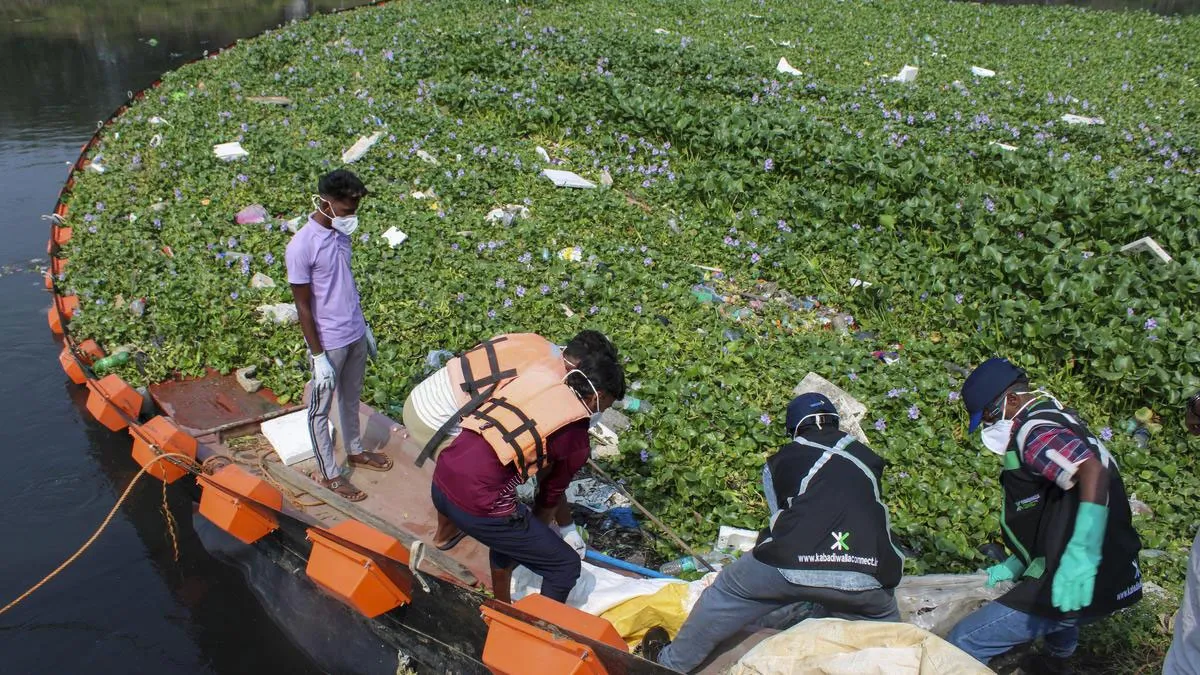
A pilot project to install a trash barrier at the Buckingham Canal was launched this week to intercept plastic waste before it reaches the sea. The initiative integrates neighbourhood scrap shops and waste-pickers into waste collection and recycling operations, creating a coordinated system to capture and process plastic debris.

The project is expected to be expanded to other parts of the city. Initial estimates indicate that banned plastics accounted for more than 50 per cent of the five tonnes of waste collected by the trash barrier over a two-day period. The initiative is funded through the Danida Green Business Partnerships programme of Denmark’s Ministry of Foreign Affairs and is being implemented by Ocean Plastic Forum, Kabadiwalla Connect and Gleco.

Researchers from institutions such as Anna University are studying how to utilise the materials collected by the barrier, including plastic waste and water hyacinth. The fibre extracted from water hyacinth is being examined for potential reuse before residual waste is disposed of at municipal landfills with approval from the Chennai Corporation.

Project partners said the initiative differs from earlier municipal trash barriers because it actively involves the informal sector. Scrap shops and waste-pickers are integrated into collection and recycling systems to ensure that plastics are intercepted before entering waterways. In the first phase, the project is working with five scrap shops and around 50 waste-pickers, while residents’ associations and community groups are being engaged to strengthen awareness and participation.

While high-value plastics such as HDPE, PP and PET have established recycling streams, low-value plastics such as flexible films and multi-layered plastics often lack viable recycling pathways and are typically incinerated or used as industrial fuel rather than recycled. The pilot project aims to explore sustainable solutions for these materials while strengthening local recycling ecosystems.

Awareness initiatives led by community organisations and educational institutions are expected to complement the project, with scientists and environmental experts contributing research-based insights to scale the model across Chennai and other urban centres.

Residents’ groups have also called for stronger measures to prevent plastic waste from clogging drains and entering waterways, highlighting the need for coordinated action between civic authorities, communities and waste management stakeholders.

Agencies including waste management companies, with support from the informal sector, have begun developing infrastructure to prevent plastic pollution in Chennai’s waterways, following approvals from the Greater Chennai Corporation and the Water Resources Department. A pilot project to install a trash barrier at the Buckingham Canal was launched this week to intercept plastic waste before it reaches the sea. The initiative integrates neighbourhood scrap shops and waste-pickers into waste collection and recycling operations, creating a coordinated system to capture and process plastic debris. The project is expected to be expanded to other parts of the city. Initial estimates indicate that banned plastics accounted for more than 50 per cent of the five tonnes of waste collected by the trash barrier over a two-day period. The initiative is funded through the Danida Green Business Partnerships programme of Denmark’s Ministry of Foreign Affairs and is being implemented by Ocean Plastic Forum, Kabadiwalla Connect and Gleco. Researchers from institutions such as Anna University are studying how to utilise the materials collected by the barrier, including plastic waste and water hyacinth. The fibre extracted from water hyacinth is being examined for potential reuse before residual waste is disposed of at municipal landfills with approval from the Chennai Corporation. Project partners said the initiative differs from earlier municipal trash barriers because it actively involves the informal sector. Scrap shops and waste-pickers are integrated into collection and recycling systems to ensure that plastics are intercepted before entering waterways. In the first phase, the project is working with five scrap shops and around 50 waste-pickers, while residents’ associations and community groups are being engaged to strengthen awareness and participation. While high-value plastics such as HDPE, PP and PET have established recycling streams, low-value plastics such as flexible films and multi-layered plastics often lack viable recycling pathways and are typically incinerated or used as industrial fuel rather than recycled. The pilot project aims to explore sustainable solutions for these materials while strengthening local recycling ecosystems. Awareness initiatives led by community organisations and educational institutions are expected to complement the project, with scientists and environmental experts contributing research-based insights to scale the model across Chennai and other urban centres. Residents’ groups have also called for stronger measures to prevent plastic waste from clogging drains and entering waterways, highlighting the need for coordinated action between civic authorities, communities and waste management stakeholders.

Next Story
Infrastructure Urban

Turning environmental challenges into recoverable value streams.

The lack of scalable, scientific solutions capable of handling legacy waste and complex urban waste streams led to the establishment of Blue Planet Environmental Solutions. In conversation with CW, Prashant Singh, Co-Founder & CEO, shares the company’s journey from a startup to a city-scale environmental infrastructure player, detailing large municipal projects, decades-old legacy waste remediation, land recovery outcomes and its expanding circular economy footprint.How has the visio..

Next Story
Infrastructure Transport

India's Highway Crisis!

Massive spending, inflated metrics, systemic delays and deep-rooted corruption now threaten the credibility of India’s highway expansion, observes  LT GEN RAJEEV CHAUDHRY (Retd), former DG Border Roads.India is spending more on national highways than ever before. With Rs 2.72 lakh crore earmarked for FY 2025–26 and ambitious targets under the Amrit Kaal vision, the narrative is one of speed, scale and transformation. Yet, beneath the headline numbers lies an uncomfortable realit..

Next Story
Infrastructure Urban

Audit: Time to Elevate

The year 2026 got off to a sorry start for the elevator industry with a 31-year-old security guard crushed to death when a lift collapsed on him in a Mulund East (Mumbai) housing society, and two boys, aged 11, grievously injured by falling into a lift duct when the third floor lift door in their Goregaon (Mumbai) building gave way. Faulty door-lock wiring and poor maintenance by the vendor are most probably behind these tragic accidents.No month goes by without a fatal elevator accident in some city across India. CW asks why?To read the full story Click Here ..

Advertisement

Subscribe to Our Newsletter

Get daily newsletters around different themes from Construction world.

STAY CONNECTED

Advertisement

Advertisement

Advertisement

Advertisement

Open In App