NIT Rourkela Turns Coal Waste Into Road Building Material
WATER & WASTE

NIT Rourkela Turns Coal Waste Into Road Building Material

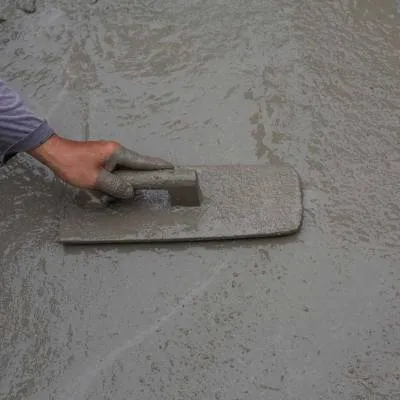
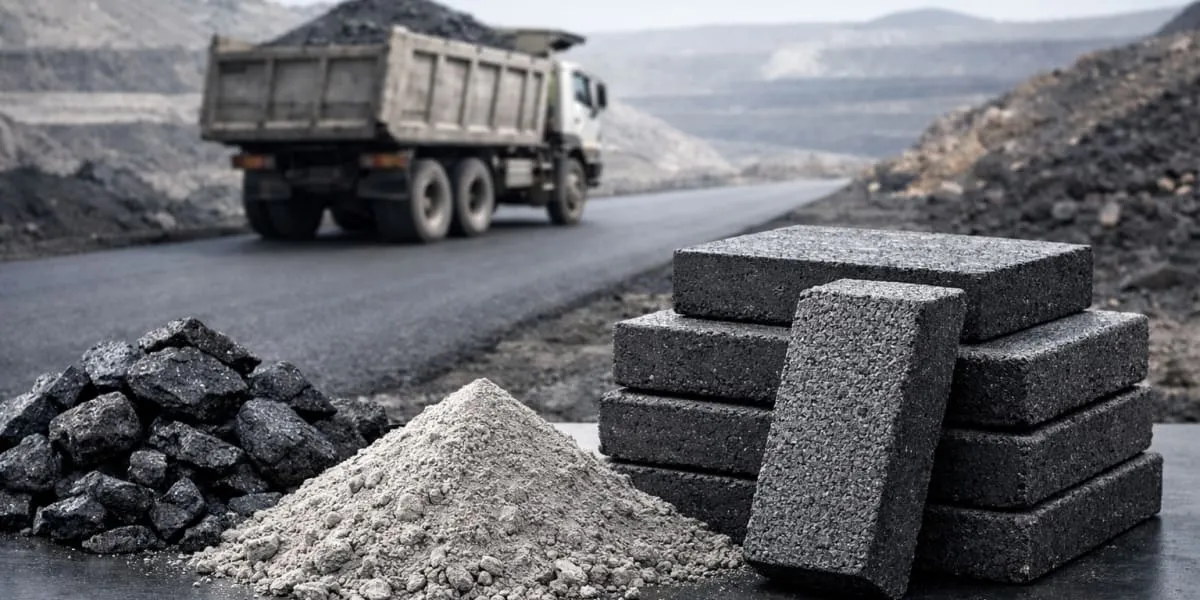
Engineers and researchers at the National Institute of Technology Rourkela (NIT Rourkela) have developed a high-strength composite material using coal mine parting, fly ash and a chemical binder to produce a pavement material intended for heavy truck traffic in mining regions. The team, led by Prof K. Umamaheshwar Rao and including Dr Manoj Kumar Mishra and research scholar Dr Subhasrita Chodhury from the Department of Mining Engineering, has secured Patent No. 597749 under Application No. 202331070306. The innovation is presented as a solution to rapid road deterioration caused by repeated heavy loads.

India mines about one billion tonnes (one bn t) of raw coal each year, according to the Ministry of Coal, with nearly ninety-four per cent coming from surface mines that generate large volumes of waste. One abundant waste stream is coal mine parting, rock and other non-coal material separated during extraction. The researchers identified silica, alumina and clay minerals in this material and investigated how inherent compressive strength and stiffness could be harnessed in construction.

The team combined coal mine parting, fly ash and a binder to create a composite and carried out laboratory testing on multiple formulations to identify mixtures with required strength and performance characteristics. Results reported by the group indicate that selected formulations achieved enhanced stiffness and load-bearing capacity compared with conventional materials used in these environments. The work is described by the authors as an application of circular economy principles, converting two industrial wastes into a resource with engineering and economic potential.

With pilot-scale field trials planned, the researchers aim to assess long-term strength and durability on actual roads subjected to frequent heavy traffic. The technology is positioned to tackle waste management challenges while promoting more sustainable infrastructure development using locally available resources. If successful at scale, the material could reduce repair frequency and associated costs in coal-mining regions and provide a model for repurposing large industrial waste streams.

Engineers and researchers at the National Institute of Technology Rourkela (NIT Rourkela) have developed a high-strength composite material using coal mine parting, fly ash and a chemical binder to produce a pavement material intended for heavy truck traffic in mining regions. The team, led by Prof K. Umamaheshwar Rao and including Dr Manoj Kumar Mishra and research scholar Dr Subhasrita Chodhury from the Department of Mining Engineering, has secured Patent No. 597749 under Application No. 202331070306. The innovation is presented as a solution to rapid road deterioration caused by repeated heavy loads. India mines about one billion tonnes (one bn t) of raw coal each year, according to the Ministry of Coal, with nearly ninety-four per cent coming from surface mines that generate large volumes of waste. One abundant waste stream is coal mine parting, rock and other non-coal material separated during extraction. The researchers identified silica, alumina and clay minerals in this material and investigated how inherent compressive strength and stiffness could be harnessed in construction. The team combined coal mine parting, fly ash and a binder to create a composite and carried out laboratory testing on multiple formulations to identify mixtures with required strength and performance characteristics. Results reported by the group indicate that selected formulations achieved enhanced stiffness and load-bearing capacity compared with conventional materials used in these environments. The work is described by the authors as an application of circular economy principles, converting two industrial wastes into a resource with engineering and economic potential. With pilot-scale field trials planned, the researchers aim to assess long-term strength and durability on actual roads subjected to frequent heavy traffic. The technology is positioned to tackle waste management challenges while promoting more sustainable infrastructure development using locally available resources. If successful at scale, the material could reduce repair frequency and associated costs in coal-mining regions and provide a model for repurposing large industrial waste streams.

Related Stories

Gold Stories

Next Story
Infrastructure Urban

Welspun One unveils Diwali campaign for World Trade Center Thane

Welspun One has unveiled A Dream Diwali, a festive brand film promoting World Trade Center Thane, its proposed mixed-use development in the Mumbai Metropolitan Region (MMR). The campaign uses individual interpretations of an ideal Diwali to introduce the experiences and offerings planned at the development.The film follows different characters as they share their festive wishes and go about activities such as shopping, meeting friends, playing games and spending time with family. Through these everyday moments, the campaign presents the idea that celebrations are personal and that different ge..
Next Story
Equipment

BorgWarner secures three turbocharger contracts with global powertrain leader

BorgWarner has secured three new turbocharger contracts with a global powertrain technology company. The wins comprise one contract for its variable turbine geometry (VTG) turbocharger and two for its wastegate turbocharger. The technologies will be deployed in the customer's light-vehicle gasoline platforms in South America and Europe, with production scheduled to begin in 2027.The VTG turbochargers are designed for gasoline engines operating under demanding conditions and high-boost pressure requirements. They are engineered to support Miller-cycle engines and withstand exhaust temperatures ..

Next Story
Infrastructure Transport

International Digi Yatra Trials Begin at Seven Airports

India has begun trials of Digi Yatra for international passengers at seven airports, allowing eligible Indian passport holders to use facial recognition at selected airport checkpoints. The facility is currently limited to Indian nationals with e-passports travelling on selected international flights operated by Air India and IndiGo. The Civil Aviation Ministry announced the trials on 1 November, with testing scheduled through December 2026. A wider rollout is expected in 2027 after the ministry assesses passenger feedback gathered during the trial period, according to PTI. The system is inten..

Advertisement

Subscribe to Our Newsletter

Get daily newsletters around different themes from Construction world.

STAY CONNECTED

Advertisement

SPECIAL OFFER
QR Code