Seven National Waterways Found Feasible In Maharashtra
WATER & WASTE

Seven National Waterways Found Feasible In Maharashtra

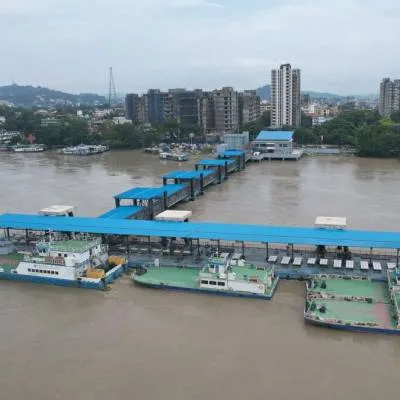
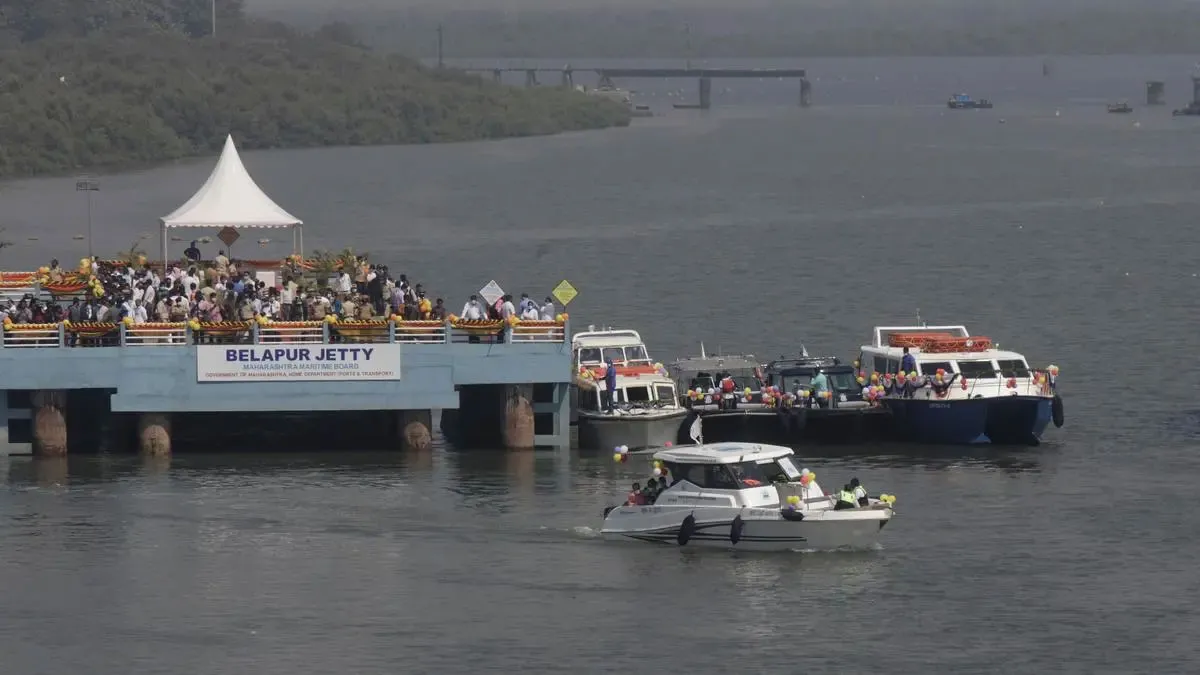
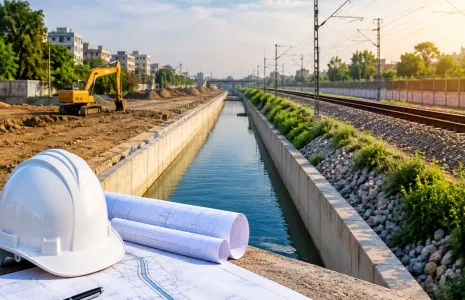
The Union government has identified 14 national waterways in Maharashtra, of which seven, spanning a navigable length of 662.97 km, have been found feasible for development by the Ministry of Ports, Shipping and Waterways.

The seven feasible waterways include NW-4 on the River Godavari, NW-11 on the Arunavati–Aran stretch, NW-28 covering Dabhol Creek–Vashishti River, NW-53 comprising the Kalyan–Thane–Mumbai Waterway along with Vasai Creek and the Ulhas River, NW-85 on the Revadanda Creek–Kundalika River stretch, NW-100 on the River Tapi, and NW-109 on the River Wainganga–Pranahita stretch.

In Maharashtra, several waterways have already emerged as key contributors to inland water transport. During 2024–25, NW-10 on the Amba River, NW-53, NW-83 on Rajpuri Creek, NW-85, NW-89 on the Savitri River–Bankot Creek stretch, and NW-91 on the Shastri River–Jaigad Creek together handled 45.35 per cent of the country’s total inland water transport cargo.

The Inland Waterways Authority of India is providing assistance to cargo operators, as required, to promote both cargo and passenger movement through inland waterways across the State. IWAI is responsible for the development and regulation of inland waterways for shipping and navigation, while economic activity and industrial development along riverbanks fall under the jurisdiction of State governments.

The Maharashtra Logistics Policy 2024 outlines several initiatives aimed at strengthening coastal logistics and promoting port-led industrialisation, particularly in Raigad, Ratnagiri and Sindhudurg districts. The policy proposes the development of integrated logistics hubs, improved coastal connectivity and enhanced port infrastructure to facilitate efficient cargo movement and support regional economic growth.

The Union government has identified 14 national waterways in Maharashtra, of which seven, spanning a navigable length of 662.97 km, have been found feasible for development by the Ministry of Ports, Shipping and Waterways. The seven feasible waterways include NW-4 on the River Godavari, NW-11 on the Arunavati–Aran stretch, NW-28 covering Dabhol Creek–Vashishti River, NW-53 comprising the Kalyan–Thane–Mumbai Waterway along with Vasai Creek and the Ulhas River, NW-85 on the Revadanda Creek–Kundalika River stretch, NW-100 on the River Tapi, and NW-109 on the River Wainganga–Pranahita stretch. In Maharashtra, several waterways have already emerged as key contributors to inland water transport. During 2024–25, NW-10 on the Amba River, NW-53, NW-83 on Rajpuri Creek, NW-85, NW-89 on the Savitri River–Bankot Creek stretch, and NW-91 on the Shastri River–Jaigad Creek together handled 45.35 per cent of the country’s total inland water transport cargo. The Inland Waterways Authority of India is providing assistance to cargo operators, as required, to promote both cargo and passenger movement through inland waterways across the State. IWAI is responsible for the development and regulation of inland waterways for shipping and navigation, while economic activity and industrial development along riverbanks fall under the jurisdiction of State governments. The Maharashtra Logistics Policy 2024 outlines several initiatives aimed at strengthening coastal logistics and promoting port-led industrialisation, particularly in Raigad, Ratnagiri and Sindhudurg districts. The policy proposes the development of integrated logistics hubs, improved coastal connectivity and enhanced port infrastructure to facilitate efficient cargo movement and support regional economic growth.

Next Story
Real Estate

A Paradigm Shift

The Indian real-estate and construction sector, which employs a significant number of organised and unorganised workers in the country, has embarked on a paradigm shift in its regulatory framework from an employment law perspective. With the four Labour Codes – the Code on Wages, 2019 (Wage Code); the Industrial Relations Code, 2020 (IR Code); the Code on Social Security, 2020 (SS Code) and the Occupational Safety, Health and Working Conditions Code, 2020 (OSH Code) – coming into effect in India from November 21, 2025, the industry is shifting away from a fragmented, contractor- driven com..

Next Story
Technology

We offer end-to-end traceability at scale

mjunction has evolved from an e-auction pioneer into a multi-vertical digital commerce platform with deep expertise in complex steel and coal supply chains. Its end-to-end, AI-led architecture focuses on price discovery, traceability, compliance and scalability, enabling transparent procurement, efficient logistics and data-driven decision-making across geographies. Vinaya Varma, MD, shares more about the company in conversation with CW.From a technology standpoint, what are the core USPs of mjunction today that differentiate it in steel and coal supply chains?mjunction has evolved b..

Next Story
Infrastructure Urban

Henkel, Rotary Recycle PoP Ganesha Idols Under Project HARMONY

Henkel India, in partnership with the Rotary Club of Navi Mumbai – Joy of Giving and with support from the Navi Mumbai Municipal Corporation (NMMC), has advanced circular sustainability through Project HARMONY by recycling Plaster of Paris (PoP) Ganesha idols into community learning assets. The initiative highlights an integrated approach to environmental restoration and social impact.As part of the project, materials collected after Ganesh Visarjan 2025 at Nerul were responsibly diverted from land and water bodies and processed at an authorised recycling facility, with on-ground execution s..

Advertisement

Subscribe to Our Newsletter

Get daily newsletters around different themes from Construction world.

STAY CONNECTED

Advertisement

Advertisement

Advertisement

Advertisement

Open In App