NHAI's proposal for operational BOT (Toll) projects
ROADS & HIGHWAYS

NHAI's proposal for operational BOT (Toll) projects

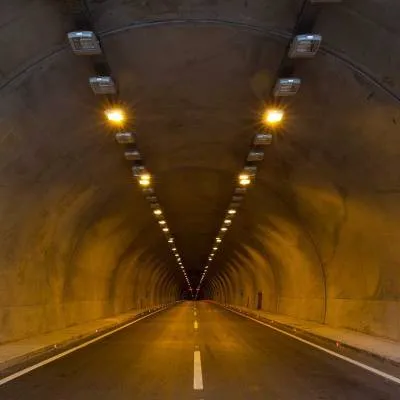
Photo: For representational purpose

Extension in concession period by NHAI does not compensate for loss in net present value terms for majority of BOT Toll projects.
For the entities who have not opted for moratorium on project loans earlier, COVID-19 loan from NHAI is a positive in terms of liquidity.

The Ministry of Road Transportation and Highways (MoRTH) had suspended tolling on all national highways for a 25-day period between March 26, 2020 to April 19, 2020. According to an earlier report by ICRA, this event was expected to be treated under political force majeure (FM) clause of the concession agreement (CA), as was done during demonetisation when the tolling was suspended for 24 days in November 2016. As per CA, all force majeure costs (including interest and O&M) are to be reimbursed by the concessioning authority in case of a political event and revenue loss is to be compensated by extension in concession period. As per the rating agency, the total O&M expenses and interest costs for the BOT Toll concessionaires for the recent 25-day period of toll suspension is estimated at Rs 6.49 billion. 

The recent relief package announced by NHAI for BOT Toll concessionaires has two parts: (1) the revenue loss during and after toll suspension period will be compensated in the form of extension by three to six months in concession period and (2) COVID-19 loan is provided for concessionaires to the extent relief is not granted under moratorium under RBI guidelines. Many BOT concessionaires have already opted for loan moratorium on their project debt; thus, in such cases, the quantum of COVID-19 loan eligibility is not significant. For the entities that have not opted for loan moratorium earlier, the COVID-19 loan is a positive from liquidity point of view.

Elaborating further, Rajeshwar Burla, Vice President, Corporate Ratings, ICRA, says, “NHAI seems to have taken a different approach when compared to the toll suspension during demonetisation period, when it compensated the concessionaires for the interest and O&M costs. Possible reason for this deviation could be the availability of moratorium on debt servicing under RBI guidelines. Further, O&M costs for an operational toll project is also not expected to be significant. Nevertheless, this approach may end up becoming contentious with concessionaires disputing the proposed relief measures. Also, these measures discriminates between concessionaires as entities that have not opted for loan moratorium earlier are better off – they would now have access to COVID-19 loan from NHAI at a much cheaper rate of bank rate plus 200 bps with flexible repayment terms.”

The extension in concession period is for a period equal in length to (a) the period during toll suspension which is 25 days and (b) for the period in proportion to loss of fee on a daily basis (where daily collection is less than 90 per cent of average daily collection for previous accounting year and increasing the result thereof by 5 per cent) for instance, loss of 25 per cent fee as compared to daily average for four days shall result in an entitlement of one day increase in concession period. The floor and ceiling for extension in concession period has been set at three and six months respectively. Post resumption of tolling, the toll collections reached 30-35 per cent of pre-COVID levels in last week of April, 2020 which subsequently improved to 50-55 per cent in May, 2020.

On an annual basis, for projects witnessing up to 25 per cent loss in revenue, the extension in concession period would be 90 days and for projects witnessing more than 50 per cent dip in toll collections the increase in concession period is capped at 180 days. Assuming a discounting rate of 12 per cent, the ratio of present value of toll collections during period of concession extension to the current revenue loss for varying balance concession periods is tabulated below. 

Extent of NPV protection (ratio of PV of additional toll collections to revenue loss)


Revenue loss (%)

Extension granted

Balance concession period

5 years

10 years

15 years

20 years

10%

90 days (floor)

1.82

1.37

0.99

0.72

18%

90 days (floor)

1.01

0.76

0.55

0.40

25%

90 days (floor)

0.73

0.55

0.40

0.29

30%

110 days

0.74

0.55

0.40

0.29

40%

146 days

0.73

0.55

0.40

0.29

50%

180 days (ceiling)

0.71

0.53

0.39

0.28

1) Assuming toll collection growth of 6 per cent from FY2022 onwards (on FY2020 as base) for a period of first ten years followed by 5 per cent for balance period; at a discount rate of 12 per cent.

2) Value of greater than 1 signifies that such projects are better off with the extension in concession period as they are protected in net present value terms.


(Source: ICRA research)

It can be noticed that projects with revenue loss up to 18 per cent and balance concession period up to five years and projects with revenue loss up to 10 per cent with balance concession period up to 10 years are likely to get benefitted with the extension in concession period by three months. For all the remaining projects, the extension in concession period by NHAI does not compensate for loss in net present value terms.

Burla added, “In net present value terms, the relief measure does not adequately compensate for the losses incurred by majority of the operational BOT Toll road projects. Such departure from the concession agreement could have been avoided as it may have ramifications on attracting investments in TOT and NHAI’s InvIT.”

Photo: For representational purpose• Extension in concession period by NHAI does not compensate for loss in net present value terms for majority of BOT Toll projects.• For the entities who have not opted for moratorium on project loans earlier, COVID-19 loan from NHAI is a positive in terms of liquidity.The Ministry of Road Transportation and Highways (MoRTH) had suspended tolling on all national highways for a 25-day period between March 26, 2020 to April 19, 2020. According to an earlier report by ICRA, this event was expected to be treated under political force majeure (FM) clause of the concession agreement (CA), as was done during demonetisation when the tolling was suspended for 24 days in November 2016. As per CA, all force majeure costs (including interest and O&M) are to be reimbursed by the concessioning authority in case of a political event and revenue loss is to be compensated by extension in concession period. As per the rating agency, the total O&M expenses and interest costs for the BOT Toll concessionaires for the recent 25-day period of toll suspension is estimated at Rs 6.49 billion. The recent relief package announced by NHAI for BOT Toll concessionaires has two parts: (1) the revenue loss during and after toll suspension period will be compensated in the form of extension by three to six months in concession period and (2) COVID-19 loan is provided for concessionaires to the extent relief is not granted under moratorium under RBI guidelines. Many BOT concessionaires have already opted for loan moratorium on their project debt; thus, in such cases, the quantum of COVID-19 loan eligibility is not significant. For the entities that have not opted for loan moratorium earlier, the COVID-19 loan is a positive from liquidity point of view.Elaborating further, Rajeshwar Burla, Vice President, Corporate Ratings, ICRA, says, “NHAI seems to have taken a different approach when compared to the toll suspension during demonetisation period, when it compensated the concessionaires for the interest and O&M costs. Possible reason for this deviation could be the availability of moratorium on debt servicing under RBI guidelines. Further, O&M costs for an operational toll project is also not expected to be significant. Nevertheless, this approach may end up becoming contentious with concessionaires disputing the proposed relief measures. Also, these measures discriminates between concessionaires as entities that have not opted for loan moratorium earlier are better off – they would now have access to COVID-19 loan from NHAI at a much cheaper rate of bank rate plus 200 bps with flexible repayment terms.”The extension in concession period is for a period equal in length to (a) the period during toll suspension which is 25 days and (b) for the period in proportion to loss of fee on a daily basis (where daily collection is less than 90 per cent of average daily collection for previous accounting year and increasing the result thereof by 5 per cent) for instance, loss of 25 per cent fee as compared to daily average for four days shall result in an entitlement of one day increase in concession period. The floor and ceiling for extension in concession period has been set at three and six months respectively. Post resumption of tolling, the toll collections reached 30-35 per cent of pre-COVID levels in last week of April, 2020 which subsequently improved to 50-55 per cent in May, 2020.On an annual basis, for projects witnessing up to 25 per cent loss in revenue, the extension in concession period would be 90 days and for projects witnessing more than 50 per cent dip in toll collections the increase in concession period is capped at 180 days. Assuming a discounting rate of 12 per cent, the ratio of present value of toll collections during period of concession extension to the current revenue loss for varying balance concession periods is tabulated below.  Extent of NPV protection (ratio of PV of additional toll collections to revenue loss)   Revenue loss (%) Extension granted Balance concession period 5 years 10 years 15 years 20 years 10% 90 days (floor) 1.82 1.37 0.99 0.72 18% 90 days (floor) 1.01 0.76 0.55 0.40 25% 90 days (floor) 0.73 0.55 0.40 0.29 30% 110 days 0.74 0.55 0.40 0.29 40% 146 days 0.73 0.55 0.40 0.29 50% 180 days (ceiling) 0.71 0.53 0.39 0.28 1) Assuming toll collection growth of 6 per cent from FY2022 onwards (on FY2020 as base) for a period of first ten years followed by 5 per cent for balance period; at a discount rate of 12 per cent. 2) Value of greater than 1 signifies that such projects are better off with the extension in concession period as they are protected in net present value terms.   (Source: ICRA research)It can be noticed that projects with revenue loss up to 18 per cent and balance concession period up to five years and projects with revenue loss up to 10 per cent with balance concession period up to 10 years are likely to get benefitted with the extension in concession period by three months. For all the remaining projects, the extension in concession period by NHAI does not compensate for loss in net present value terms.Burla added, “In net present value terms, the relief measure does not adequately compensate for the losses incurred by majority of the operational BOT Toll road projects. Such departure from the concession agreement could have been avoided as it may have ramifications on attracting investments in TOT and NHAI’s InvIT.”

Next Story
Infrastructure Urban

ABB to Invest Rs 6.25 Billion to Expand India Manufacturing

ABB recently announced plans to invest approximately Rs 6.25 billion ($75 million) in India during 2026 to expand its manufacturing footprint and research and development capabilities. The investment follows more than $35 million spent in 2025 and reflects the company’s continued focus on strengthening its ‘local-for-local’ strategy in the country.The investment will support ABB’s Electrification, Motion and Automation businesses and expand manufacturing capacity for infrastructure sectors such as renewable energy, metro rail, data centres and industrial applications. Approximately 300..

Next Story
Equipment

Six WOLFF Cranes Handle 60,000 m³ Concrete for German Hospital

Six WOLFF tower cranes are playing a key role in constructing a new hospital complex in Memmingen, Germany, supporting large-scale material handling for the project. The facility is being built on a 7.7-hectare site and will feature six floors, around 480 beds and a gross floor area exceeding 75,000 sq m.Building shell works began recently in February 2025. One WOLFF 6531.12 Cross crane supported early site preparation before being dismantled in autumn 2025, while five remaining cranes continue operations. Over an average deployment period of 16 months, the cranes are expected to move approxim..

Next Story
Equipment

REC Funds Rs 115.6 Million CSR Support for Bihar Eye Hospital

REC recently committed Rs 115.6 million under its Corporate Social Responsibility (CSR) programme for the procurement of clinical and non-clinical equipment at Sankara Eye Hospital in Saharsa, Bihar. The initiative aims to strengthen healthcare infrastructure and improve access to specialised eye care services in the region.A Memorandum of Agreement (MoA) was recently signed between Pradeep Fellows, Executive Director (CSR), REC Limited, and Wg Cdr V. Shankar (Retd), Trustee and Executive Director of Sankara Eye Hospital, at the REC office in the SCOPE Complex, New Delhi.The support is expecte..

Advertisement

Subscribe to Our Newsletter

Get daily newsletters around different themes from Construction world.

STAY CONNECTED

Advertisement

Advertisement

Advertisement