+
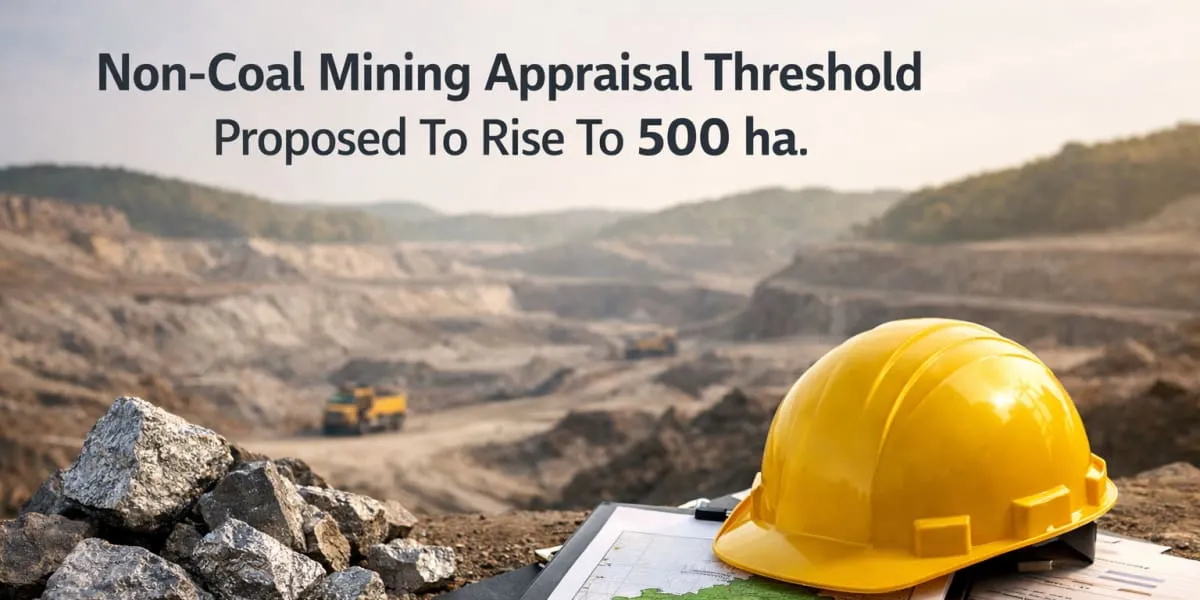
Non-Coal Mining Appraisal Threshold Proposed To Rise To 500 ha
COAL & MINING

Non-Coal Mining Appraisal Threshold Proposed To Rise To 500 ha

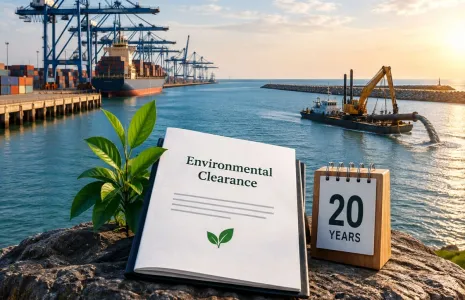
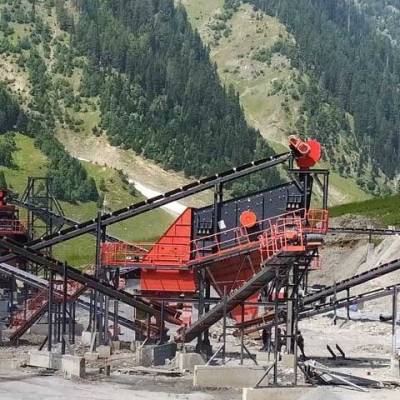
The environment ministry has proposed raising the appraisal threshold for non-coal mining projects at the state level from 250 hectares to 500 hectares in a draft notification issued on July 27. The ministry said the step is intended to further decentralise the environmental clearance process for such projects and align appraisal responsibilities at state level. The proposal applies to non-coal mining projects and seeks to mirror existing arrangements for certain coal projects.

State-level bodies, the State Environment Impact Assessment Authorities and the State Expert Appraisal Committees, already examine coal mining projects of up to 500 ha, and the draft noted that SEIAAs grant environmental clearances while SEACs provide advisory appraisals. Under the Environment Impact Assessment Notification, 2006, projects are classified by size and impact, with Category A projects appraised by the centre-level Expert Appraisal Committee and Category B projects handled by the SEIAAs and SEACs. The draft underlined that appraisal tiers are designed around potential environmental effects.

The notification highlighted that eligibility criteria such as qualifications and experience for experts nominated to EACs and SEACs are identical and observed that equal levels of expertise are available within SEACs compared with EACs. It also noted that SEIAAs have gained substantial experience over the past two decades in conducting environmental clearances. The centre has introduced two new standing bodies, notified on July 13, intended to expedite the clearance process when state institutions become non-functional.

The standing bodies, the Standing Authority on Environment Impact Assessment and the Standing Committee on Environment Impact Appraisal, would assume the functions of SEIAAs and SEACs when those institutions are non-functional for more than one month owing to expiry of tenure, delays in reconstitution or a court-imposed stay. Experts raised concern over selection criteria for members of the new bodies, pointing out that unlike the EAC and the state authorities under the EIA Notification, the chairpersons and members of the standing bodies need not possess domain experience such as 15 years of professional experience or a PhD. Critics warned that the absence of such requirements could weaken scrutiny of project appraisals, and stakeholders are expected to follow the consultation on the draft closely.

The environment ministry has proposed raising the appraisal threshold for non-coal mining projects at the state level from 250 hectares to 500 hectares in a draft notification issued on July 27. The ministry said the step is intended to further decentralise the environmental clearance process for such projects and align appraisal responsibilities at state level. The proposal applies to non-coal mining projects and seeks to mirror existing arrangements for certain coal projects. State-level bodies, the State Environment Impact Assessment Authorities and the State Expert Appraisal Committees, already examine coal mining projects of up to 500 ha, and the draft noted that SEIAAs grant environmental clearances while SEACs provide advisory appraisals. Under the Environment Impact Assessment Notification, 2006, projects are classified by size and impact, with Category A projects appraised by the centre-level Expert Appraisal Committee and Category B projects handled by the SEIAAs and SEACs. The draft underlined that appraisal tiers are designed around potential environmental effects. The notification highlighted that eligibility criteria such as qualifications and experience for experts nominated to EACs and SEACs are identical and observed that equal levels of expertise are available within SEACs compared with EACs. It also noted that SEIAAs have gained substantial experience over the past two decades in conducting environmental clearances. The centre has introduced two new standing bodies, notified on July 13, intended to expedite the clearance process when state institutions become non-functional. The standing bodies, the Standing Authority on Environment Impact Assessment and the Standing Committee on Environment Impact Appraisal, would assume the functions of SEIAAs and SEACs when those institutions are non-functional for more than one month owing to expiry of tenure, delays in reconstitution or a court-imposed stay. Experts raised concern over selection criteria for members of the new bodies, pointing out that unlike the EAC and the state authorities under the EIA Notification, the chairpersons and members of the standing bodies need not possess domain experience such as 15 years of professional experience or a PhD. Critics warned that the absence of such requirements could weaken scrutiny of project appraisals, and stakeholders are expected to follow the consultation on the draft closely.

Related Stories

Gold Stories

Next Story
Products

Interio by Godrej launches modular workplace solutions

Interio by Godrej has launched Workscapes, a modular workplace solutions category designed to help organisations configure and adapt workspaces to changing requirements. The portfolio combines mobile and compatible furniture and support elements that can be rearranged across different work modes without changes to fixed layouts.Workscapes includes Collaboration Tables, Privacy Solutions, Mobile Markerboards and Space Dividers, Power Solutions, Storage and Support Elements, Meeting and Presentation Tools, and Seating Elements. The range is designed for focused work, collaboration, informal disc..

Next Story
Infrastructure Urban

CAFE-III Gives Auto Industry Investment Clarity

The government’s new Corporate Average Fuel Economy (CAFE-III) norms have provided the automobile industry with a clearer framework for technology investments, according to industry representatives. The framework seeks to balance environmental objectives with flexibility for manufacturers while encouraging the adoption of flex-fuel vehicles and biofuels. Society of Indian Automobile Manufacturers (SIAM) President Shenu Agarwal said the five-year framework would give automakers greater predictability to plan investments and accelerate innovation. He said the regulation established annual targ..

Next Story
Infrastructure Energy

Mines Ministry to Auction Two Offshore Mineral Blocks in Andaman Sea

The Ministry of Mines will launch an auction of two offshore mineral blocks in the Andaman Sea on Thursday, seeking to unlock India’s offshore mineral potential and strengthen long-term mineral resource security. The blocks will be offered under a composite licence, which permits exploration and development activities in accordance with the applicable regulatory framework. The ministry said the auction was intended to encourage systematic exploration, attract investment and promote the use of advanced technologies for offshore mineral exploration and development. The initiative is also aimed..

Advertisement

Subscribe to Our Newsletter

Get daily newsletters around different themes from Construction world.

STAY CONNECTED

Advertisement

SPECIAL OFFER
QR Code