+
Affordability and Enrolment Hinder LPG Use Among Migrant Households
OIL & GAS

Affordability and Enrolment Hinder LPG Use Among Migrant Households

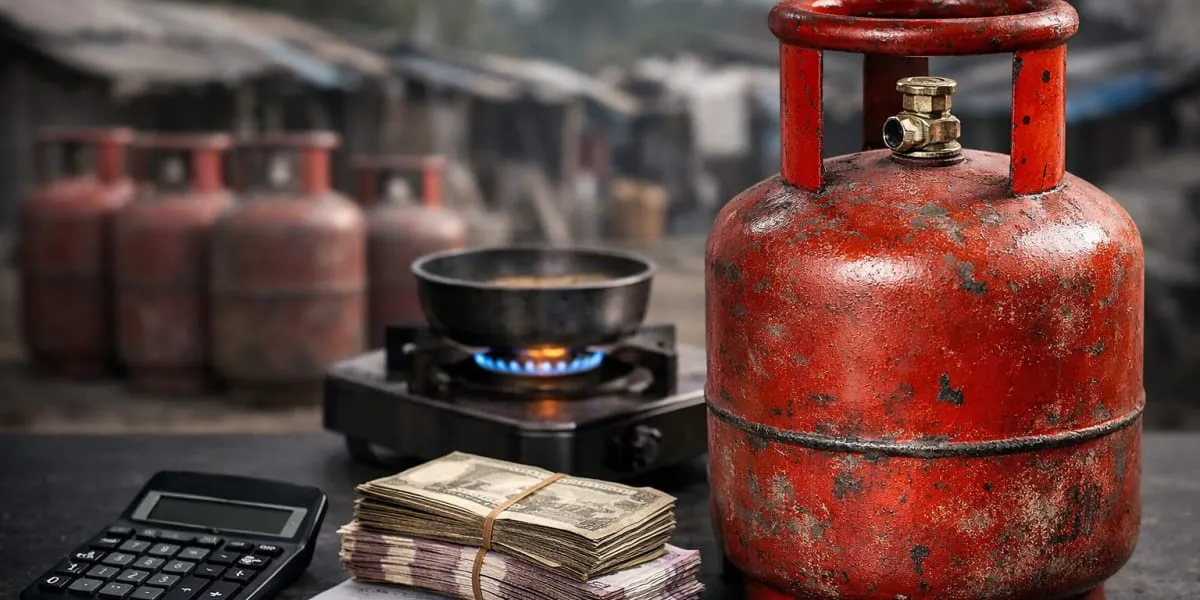
An analysis by the Council on Energy, Environment and Water (CEEW) has found that affordability and formal enrolment remain major barriers to sustained liquefied petroleum gas (LPG) use, with 79 per cent of migrant LPG users lacking a formal connection. At least 80 per cent of rural, urban informal and migrant households surveyed indicated they would shift exclusively to LPG if a 14.2 kilogram (kg) refill cost Rs 400. The study suggests that connection numbers alone will not secure sustained clean cooking adoption.

Three studies released at CEEW's Clean Air Horizons event surveyed more than 2,200 rural households across six states, over 1,100 households in informal settlements and more than 1,000 migrant workers in 10 cities. The Rs 400 threshold is well below the effective subsidised Pradhan Mantri Ujjwala Yojana (PMUY) cylinder price of Rs 642, while median willingness to pay across the groups was Rs 500. The findings indicate the next phase of clean cooking policy must move beyond connections to regular usage, affordability and reliable last?mile delivery. A CEEW fellow noted that if families cannot afford refills, migrants lack awareness or cylinders do not reliably reach rural homes, households will remain exposed to polluting fuels.

The sharpest exclusion was among migrants, who paid Rs 71 per kg, over 20 per cent higher than the Rs 59 per kg paid through formal connections. Housing influenced fuel choice: 70 per cent of migrants living on footpaths or in open spaces relied on solid fuels, against 11 per cent among those in rented accommodation. In rural areas 73 per cent used LPG in the previous 90 days but only 23 per cent used it exclusively, with half still relying on firewood. Only 47 per cent of rural LPG users reported receiving doorstep delivery.

In urban informal settlements documentation and payment barriers persist. CEEW recommended raising PMUY subsidy by around Rs 200 per cylinder to bring the effective price closer to Rs 400, alongside special migrant enrolment drives, pay?as?you?go LPG kiosks and higher distributor incentives for remote rural customers. The analysis called for a shift in policy focus from connections to sustained, affordable access and reliable delivery.

An analysis by the Council on Energy, Environment and Water (CEEW) has found that affordability and formal enrolment remain major barriers to sustained liquefied petroleum gas (LPG) use, with 79 per cent of migrant LPG users lacking a formal connection. At least 80 per cent of rural, urban informal and migrant households surveyed indicated they would shift exclusively to LPG if a 14.2 kilogram (kg) refill cost Rs 400. The study suggests that connection numbers alone will not secure sustained clean cooking adoption. Three studies released at CEEW's Clean Air Horizons event surveyed more than 2,200 rural households across six states, over 1,100 households in informal settlements and more than 1,000 migrant workers in 10 cities. The Rs 400 threshold is well below the effective subsidised Pradhan Mantri Ujjwala Yojana (PMUY) cylinder price of Rs 642, while median willingness to pay across the groups was Rs 500. The findings indicate the next phase of clean cooking policy must move beyond connections to regular usage, affordability and reliable last?mile delivery. A CEEW fellow noted that if families cannot afford refills, migrants lack awareness or cylinders do not reliably reach rural homes, households will remain exposed to polluting fuels. The sharpest exclusion was among migrants, who paid Rs 71 per kg, over 20 per cent higher than the Rs 59 per kg paid through formal connections. Housing influenced fuel choice: 70 per cent of migrants living on footpaths or in open spaces relied on solid fuels, against 11 per cent among those in rented accommodation. In rural areas 73 per cent used LPG in the previous 90 days but only 23 per cent used it exclusively, with half still relying on firewood. Only 47 per cent of rural LPG users reported receiving doorstep delivery. In urban informal settlements documentation and payment barriers persist. CEEW recommended raising PMUY subsidy by around Rs 200 per cylinder to bring the effective price closer to Rs 400, alongside special migrant enrolment drives, pay?as?you?go LPG kiosks and higher distributor incentives for remote rural customers. The analysis called for a shift in policy focus from connections to sustained, affordable access and reliable delivery.

Related Stories

Gold Stories

Next Story
Infrastructure Energy

Alternative Fuels Overtake Petrol As August Retail Peaks

The Indian automobile industry recorded its best-ever August retail as alternative fuels such as compressed natural gas, hybrid and electric vehicles combined overtook petrol in the passenger vehicle segment for the first time. The shift coincided with oil price rises linked to the war in the Middle East and a cooled public response to higher ethanol content in petrol. Dealers attributed stronger demand to lower running costs and concerns over the E20 petrol transition. Data released by the Federation of Automobile Dealers Associations (FADA) showed total vehicle retail registrations in August..

Next Story
Infrastructure Urban

Singapore Minister Defends SIA Investment In Air India

Singapore government defended Singapore Airlines' investment in Air India after two weeks of public scrutiny over a funding request, saying the flag carrier must expand overseas and that outcomes are for the company and its shareholders to judge. The remarks in parliament followed reports that Air India had sought about US$1.5 billion (US$1.5 bn) of fresh equity from owners Tata Sons and Singapore Airlines. The issue drew attention because Singapore Airlines is majority-owned by Temasek and raised questions about Temasek's role. Officials framed the matter as a commercial decision rather than ..

Next Story
Infrastructure Transport

IndiGo To Begin Guwahati Bangkok Flights

IndiGo will launch non-stop flights between Guwahati and Bangkok from 27 October 2026, marking the carrier's first international operations from the city. A special inaugural service will operate on 27 October, with regular twice a week flights scheduled from 31 October on Wednesdays and Saturdays, subject to regulatory approvals. The new link will provide direct connectivity between Northeast India and Thailand and expand the airline's India–Thailand network. The inaugural Bangkok to Guwahati sector, flight 6E1086, is scheduled to depart Bangkok at 8:50 am and arrive in Guwahati at 10:25 am..

Advertisement

Subscribe to Our Newsletter

Get daily newsletters around different themes from Construction world.

STAY CONNECTED

Advertisement

SPECIAL OFFER
QR Code