

IBA Seeks Rs 100 Billion Biogas Fund in Union Budget
OIL & GAS

IBA Seeks Rs 100 Billion Biogas Fund in Union Budget

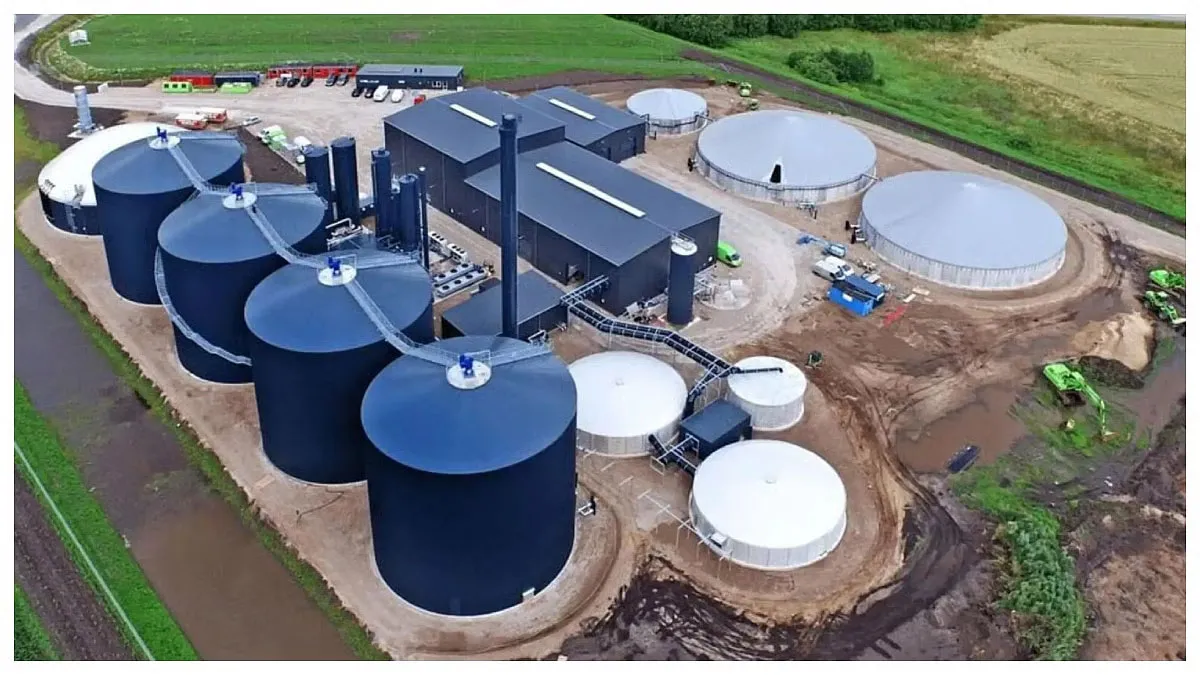
The Indian Biogas Association (IBA) has recommended the creation of a Rs 100 billion fund in the forthcoming Union Budget to provide capital subsidies for the biogas industry. The association has also called for a 50 per cent increase in capital subsidy to Rs 60 million per 4.8 tonnes per day (TPD) of compressed biogas (CBG) capacity, with the upper cap raised to Rs 250 million per project.

In a statement issued on Sunday, IBA said it would share its recommendations with the Ministry of New and Renewable Energy and the Ministry of Finance, adding that the proposals have also been raised at multiple forums ahead of the general Budget.

The association proposed a minimum mandatory blending of 5 per cent fermented organic manure (FOM) in overall fertiliser application by 2028, to be increased in phases to 10 per cent by 2030. For Union Budget 2026, IBA said the biogas and CBG sector should be positioned as a fast-maturing pillar of green growth that now requires deeper fiscal support, faster implementation and easier access to finance to unlock large-scale private investment and rural income opportunities.

IBA highlighted that capital expenditure for CBG plants has risen by more than 50 per cent since the launch of the Central Financial Assistance (CFA) scheme in 2014. In view of this, it proposed increasing the capital subsidy to at least Rs 60 million per 4.8 TPD of CBG capacity and raising the CFA ceiling to Rs 250 million per project to support plants of up to 20 TPD, backed by a minimum corpus of Rs 100 billion. At present, the scheme offers Rs 40 million per 4.8 TPD, capped at Rs 100 million per project.

The association pointed out that the central government allocates around Rs 2 trillion annually towards chemical fertiliser subsidies, which do not improve soil organic content. It suggested that redirecting even 10 per cent of this amount, or around Rs 200–250 billion, towards FOM-linked or carbon-based incentives under nature-based solution frameworks could improve soil health, reduce import dependence and promote climate-smart agriculture.

IBA noted that allocations for organic farming schemes remain modest in comparison. It said the Rs 14.5 billion allocated over three years for market development assistance for organic manure from CBG plants is only a starting point and remains inadequate. Aligning with the Ministry of Petroleum and Natural Gas’s compressed biogas blending obligation, IBA suggested that the Ministry of Chemicals and Fertilizers consider introducing a fermented organic manure–chemical fertiliser blending obligation.

The association also called for carbon monetisation through a green certificate mechanism. It proposed the creation of a framework allowing biogas and CBG producers to sell carbon credits on domestic and international platforms, supporting climate goals while opening new revenue streams. Carbon prices in voluntary markets currently range from USD 5 to USD 50 per tonne of CO?. Even at the lower end of this range, the carbon premium for CBG is estimated at around Rs 10–12 per kg of methane produced.

With around 1,000 CBG plants expected by 2030, IBA estimates the market value of CBG-based green certificates at approximately Rs 40 billion. It also suggested implementing cap-and-trade mechanisms for carbon-intensive entities and providing initial subsidies to kick-start carbon premium pricing and accelerate adoption.

The Indian Biogas Association (IBA) has recommended the creation of a Rs 100 billion fund in the forthcoming Union Budget to provide capital subsidies for the biogas industry. The association has also called for a 50 per cent increase in capital subsidy to Rs 60 million per 4.8 tonnes per day (TPD) of compressed biogas (CBG) capacity, with the upper cap raised to Rs 250 million per project. In a statement issued on Sunday, IBA said it would share its recommendations with the Ministry of New and Renewable Energy and the Ministry of Finance, adding that the proposals have also been raised at multiple forums ahead of the general Budget. The association proposed a minimum mandatory blending of 5 per cent fermented organic manure (FOM) in overall fertiliser application by 2028, to be increased in phases to 10 per cent by 2030. For Union Budget 2026, IBA said the biogas and CBG sector should be positioned as a fast-maturing pillar of green growth that now requires deeper fiscal support, faster implementation and easier access to finance to unlock large-scale private investment and rural income opportunities. IBA highlighted that capital expenditure for CBG plants has risen by more than 50 per cent since the launch of the Central Financial Assistance (CFA) scheme in 2014. In view of this, it proposed increasing the capital subsidy to at least Rs 60 million per 4.8 TPD of CBG capacity and raising the CFA ceiling to Rs 250 million per project to support plants of up to 20 TPD, backed by a minimum corpus of Rs 100 billion. At present, the scheme offers Rs 40 million per 4.8 TPD, capped at Rs 100 million per project. The association pointed out that the central government allocates around Rs 2 trillion annually towards chemical fertiliser subsidies, which do not improve soil organic content. It suggested that redirecting even 10 per cent of this amount, or around Rs 200–250 billion, towards FOM-linked or carbon-based incentives under nature-based solution frameworks could improve soil health, reduce import dependence and promote climate-smart agriculture. IBA noted that allocations for organic farming schemes remain modest in comparison. It said the Rs 14.5 billion allocated over three years for market development assistance for organic manure from CBG plants is only a starting point and remains inadequate. Aligning with the Ministry of Petroleum and Natural Gas’s compressed biogas blending obligation, IBA suggested that the Ministry of Chemicals and Fertilizers consider introducing a fermented organic manure–chemical fertiliser blending obligation. The association also called for carbon monetisation through a green certificate mechanism. It proposed the creation of a framework allowing biogas and CBG producers to sell carbon credits on domestic and international platforms, supporting climate goals while opening new revenue streams. Carbon prices in voluntary markets currently range from USD 5 to USD 50 per tonne of CO?. Even at the lower end of this range, the carbon premium for CBG is estimated at around Rs 10–12 per kg of methane produced. With around 1,000 CBG plants expected by 2030, IBA estimates the market value of CBG-based green certificates at approximately Rs 40 billion. It also suggested implementing cap-and-trade mechanisms for carbon-intensive entities and providing initial subsidies to kick-start carbon premium pricing and accelerate adoption.

Next Story
Building Material

Industry Bodies Call for Wider Use of Cement Co-Processing

Leading industry organisations have called for stronger policy support to accelerate the adoption of cement industry co-processing as a sustainable solution for managing non-recyclable and non-reusable waste. In a joint statement, bodies including the Global Cement and Concrete Association, European Composites Industry Association, International Solid Waste Association – Africa, Mission Possible Partnership and the Global Waste-to-Energy Research and Technology Council highlighted the role co-processing can play in addressing the growing global waste challenge.Co-processing enables the use o..

Next Story
Resources

German Chancellor Friedrich Merz Visits Bosch India Campus

Friedrich Merz, Federal Chancellor of the Federal Republic of Germany, visited the Bosch campus at Adugodi, Bengaluru, as part of his official India trip, underscoring the strong and long-standing partnership between India and Germany. The delegation was hosted by Guruprasad Mudlapur, President of the Bosch Group in India and Managing Director, Bosch Limited, at the company’s Indian headquarters.During the visit, the Chancellor was briefed on key innovations developed by Bosch India, reflecting the country’s growing role as a global hub for technology and engineering. “We feel honoured t..

Next Story
Infrastructure Transport

Odisha To Get Six New Amrit Bharat Express Trains

Indian Railways is set to significantly expand the footprint of the Amrit Bharat Express in Odisha with the introduction of six new services that will pass through several major stations across the state. With this addition, the total number of Amrit Bharat Express trains operating through Odisha will rise to seven. At present, Odisha is served by a single Amrit Bharat Express on the Berhampur–Udhna (Surat) route. The East Coast Railway said the newly introduced non-air-conditioned sleeper trains are designed to improve passenger comfort through modern LHB coaches, enhanced seating layouts ..

Advertisement

Subscribe to Our Newsletter

Get daily newsletters around different themes from Construction world.

STAY CONNECTED

Advertisement

Advertisement

Advertisement

Advertisement

Open In App