+
Indian Oil’s Gujarat Refinery to Start Polypropylene Production by FY-end
OIL & GAS

Indian Oil’s Gujarat Refinery to Start Polypropylene Production by FY-end

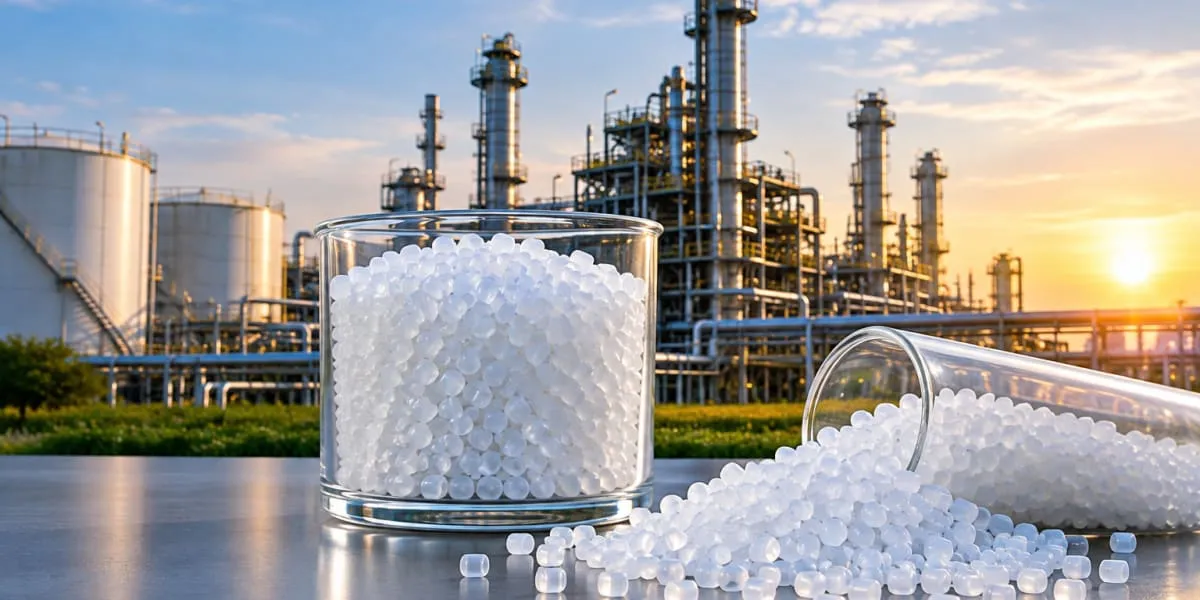
Indian Oil’s Gujarat refinery at Koyali is expected to begin producing polypropylene by the end of the current financial year, with the 500,000 t-a-year unit intended to meet part of India’s domestic demand and reduce imports. The project forms part of a broader expansion that will raise the refinery’s crude-processing capacity to 18 mn t per annum.

The refinery can process 18 mn t of crude at the primary-processing stage, but has not yet sustained that level because secondary facilities required to convert crude streams into finished products are still being completed. Its current operating capacity is about 13.7 mn t, while the expanded level is expected to be achieved by the end of FY27.

The polypropylene unit will use propylene produced through Indian Oil’s in-house INDMAX technology. The INDMAX unit has a capacity of about 2.75 mn t a year and is designed to deliver a propylene yield of about 18 per cent of feed, compared with roughly 6 to 10 per cent from a conventional fluid catalytic cracking unit. About 500,000 t of material that could otherwise have become fuel will be converted into polypropylene.

The expansion has already delivered two grassroots facilities this year: a vacuum distillation unit and a lube oil base stock unit with capacity of about 270,000 t. Construction of the polypropylene facility is at an advanced stage. The project was initially estimated at Rs. 175 bn, while later reports placed the cost at about Rs. 190 bn; the refinery’s executive director, Biplob Biswas, said Indian Oil had not recorded a cost overrun so far.

Koyali has also started producing NOBS, a speciality chemical, and began exporting it shortly after production commenced. The refinery makes niche products such as aviation gasoline AVGAS 100LL and specialised defence fuels. It also operates a hydrogen dispensing facility and is testing hydrogen buses with Tata Motors, with four buses operating in Delhi after completing their run-in period. The company is gradually moving towards petrochemicals and speciality products as fuel demand is expected to plateau over the next decade.

Indian Oil’s Gujarat refinery at Koyali is expected to begin producing polypropylene by the end of the current financial year, with the 500,000 t-a-year unit intended to meet part of India’s domestic demand and reduce imports. The project forms part of a broader expansion that will raise the refinery’s crude-processing capacity to 18 mn t per annum. The refinery can process 18 mn t of crude at the primary-processing stage, but has not yet sustained that level because secondary facilities required to convert crude streams into finished products are still being completed. Its current operating capacity is about 13.7 mn t, while the expanded level is expected to be achieved by the end of FY27. The polypropylene unit will use propylene produced through Indian Oil’s in-house INDMAX technology. The INDMAX unit has a capacity of about 2.75 mn t a year and is designed to deliver a propylene yield of about 18 per cent of feed, compared with roughly 6 to 10 per cent from a conventional fluid catalytic cracking unit. About 500,000 t of material that could otherwise have become fuel will be converted into polypropylene. The expansion has already delivered two grassroots facilities this year: a vacuum distillation unit and a lube oil base stock unit with capacity of about 270,000 t. Construction of the polypropylene facility is at an advanced stage. The project was initially estimated at Rs. 175 bn, while later reports placed the cost at about Rs. 190 bn; the refinery’s executive director, Biplob Biswas, said Indian Oil had not recorded a cost overrun so far. Koyali has also started producing NOBS, a speciality chemical, and began exporting it shortly after production commenced. The refinery makes niche products such as aviation gasoline AVGAS 100LL and specialised defence fuels. It also operates a hydrogen dispensing facility and is testing hydrogen buses with Tata Motors, with four buses operating in Delhi after completing their run-in period. The company is gradually moving towards petrochemicals and speciality products as fuel demand is expected to plateau over the next decade.

Related Stories

Gold Stories

Next Story
Infrastructure Urban

CAFE-III Gives Auto Industry Investment Clarity

The government’s new Corporate Average Fuel Economy (CAFE-III) norms have provided the automobile industry with a clearer framework for technology investments, according to industry representatives. The framework seeks to balance environmental objectives with flexibility for manufacturers while encouraging the adoption of flex-fuel vehicles and biofuels. Society of Indian Automobile Manufacturers (SIAM) President Shenu Agarwal said the five-year framework would give automakers greater predictability to plan investments and accelerate innovation. He said the regulation established annual targ..

Next Story
Infrastructure Energy

Mines Ministry to Auction Two Offshore Mineral Blocks in Andaman Sea

The Ministry of Mines will launch an auction of two offshore mineral blocks in the Andaman Sea on Thursday, seeking to unlock India’s offshore mineral potential and strengthen long-term mineral resource security. The blocks will be offered under a composite licence, which permits exploration and development activities in accordance with the applicable regulatory framework. The ministry said the auction was intended to encourage systematic exploration, attract investment and promote the use of advanced technologies for offshore mineral exploration and development. The initiative is also aimed..

Next Story
Infrastructure Energy

India Invites Global Mining Community to India Mining Week 2026

India has invited the global mining community to participate in India Mining Week 2026, seeking international collaboration, expertise and investment to support the development of the country’s mining and minerals sector. The event is scheduled to be held from November 15 to 17, 2026, at Yashobhoomi in New Delhi. Coal Additional Secretary Rupinder Brar extended the invitation while addressing India Mining: Global Connect, an international outreach interaction involving representatives from diplomatic missions in 19 countries. The meeting focused on opportunities for greater international par..

Advertisement

Subscribe to Our Newsletter

Get daily newsletters around different themes from Construction world.

STAY CONNECTED

Advertisement

SPECIAL OFFER
QR Code