Indian Power Firms Quadruple Gas Purchases For Night Cooling
OIL & GAS

Indian Power Firms Quadruple Gas Purchases For Night Cooling

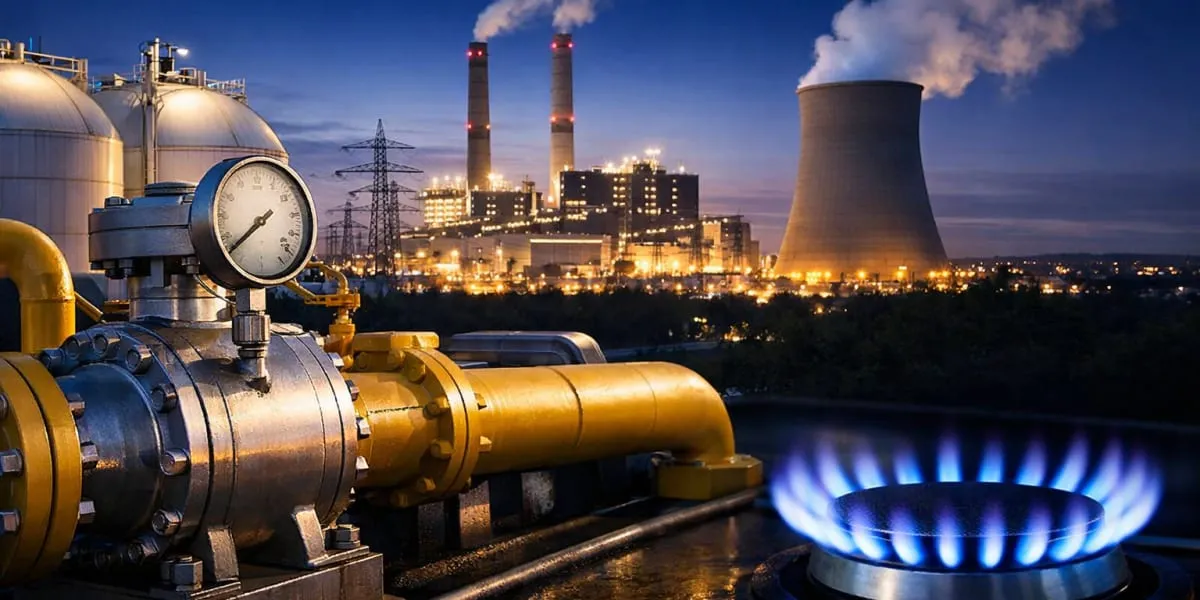
Indian power generation companies have quadrupled natural gas purchases from the Indian Gas Exchange over the past two months to meet surging demand for night-time cooling. The Indian Gas Exchange, the country’s largest gas trading platform, sold four point five trillion (tn) British Thermal Units to power firms from one April through 26 May, representing an almost 350 per cent increase from the same period a year earlier. The surge in purchases reflects intensified use of gas-fired plants as temperatures remained high around the clock.

Large swathes of the country have experienced blistering heat waves that pushed peak electricity demand to new highs both by day and by night. Utilities turned to gas-fired capacity to help meet demand during hot nights, but international supply pressures following the war in Iran pushed up prices and complicated procurement. Data from the Grid Controller of India indicated supply shortfalls of as much as five GW during peak night-time hours.

Natural gas still accounts for just two per cent of India’s electricity mix despite the increased purchases. The country has about 20 GW of gas-fired capacity, which is mainly held as a reserve to meet evening demand surges, and less than half of that capacity has been utilised this summer because of shortages. The limited role of gas underlines the system’s reliance on other fuels for base and peak supply.

Officials at the exchange said the entire volume sold to the power sector this season was regasified liquefied natural gas. Companies paid an average Rs 1,769 per million (mn) Btu on the bourse during the April–May period, around 64 per cent higher than a year earlier, adding to the cost pressure on utilities. Market participants therefore face a tighter combination of higher prices and constrained availability as peak night-time demand remains elevated. Policymakers and grid operators will need to balance short-term procurement against longer term capacity and fuel diversity considerations.

Indian power generation companies have quadrupled natural gas purchases from the Indian Gas Exchange over the past two months to meet surging demand for night-time cooling. The Indian Gas Exchange, the country’s largest gas trading platform, sold four point five trillion (tn) British Thermal Units to power firms from one April through 26 May, representing an almost 350 per cent increase from the same period a year earlier. The surge in purchases reflects intensified use of gas-fired plants as temperatures remained high around the clock. Large swathes of the country have experienced blistering heat waves that pushed peak electricity demand to new highs both by day and by night. Utilities turned to gas-fired capacity to help meet demand during hot nights, but international supply pressures following the war in Iran pushed up prices and complicated procurement. Data from the Grid Controller of India indicated supply shortfalls of as much as five GW during peak night-time hours. Natural gas still accounts for just two per cent of India’s electricity mix despite the increased purchases. The country has about 20 GW of gas-fired capacity, which is mainly held as a reserve to meet evening demand surges, and less than half of that capacity has been utilised this summer because of shortages. The limited role of gas underlines the system’s reliance on other fuels for base and peak supply. Officials at the exchange said the entire volume sold to the power sector this season was regasified liquefied natural gas. Companies paid an average Rs 1,769 per million (mn) Btu on the bourse during the April–May period, around 64 per cent higher than a year earlier, adding to the cost pressure on utilities. Market participants therefore face a tighter combination of higher prices and constrained availability as peak night-time demand remains elevated. Policymakers and grid operators will need to balance short-term procurement against longer term capacity and fuel diversity considerations.

Next Story
Resources

Jyoti Structures Launches Heat Safety Drive Across Sites

Jyoti Structures (JSL) has strengthened heat safety measures across its project sites and manufacturing facilities as temperatures rise across India. The company has implemented a Summer Safety Plan covering all transmission line projects to address risks related to heat stress, dehydration and worker fatigue.The initiative includes rescheduling work away from peak afternoon temperatures, provision of drinking water, ORS and lemon-salt solutions, and installation of rest shelters near work areas. Daily toolbox talks, worker health monitoring, first-aid preparedness, emergency transport arrange..

Next Story
Real Estate

MHADA Declares 82 Buildings Most Dangerous in Central and South Mumbai

The Maharashtra Housing and Area Development Authority (MHADA) has declared 82 buildings as most dangerous across Central and South Mumbai and has appealed to residents to vacate immediately. The list, prepared after structural assessments by the authority, identifies buildings judged to pose imminent risk to occupants and to passersby. Local civic bodies have been asked to coordinate evacuations and to make arrangements for temporary shelter and rehabilitation for displaced households. Officials said the authority prioritised buildings with visible structural distress, severe cracking, tiltin..

Next Story
Infrastructure Transport

Damage Reported At Halwara Airport Terminal After First Rains

Severe damage was reported at the terminal of Halwara Airport during the first major rain spell of the season, prompting immediate concern among aviation and local authorities. Images from the site showed water ingress and visible deterioration of the terminal interior, affecting passenger areas and ancillary services. The airport authority suspended certain operations temporarily to assess structural safety and ensure passenger wellbeing. Preliminary inspections have prioritised electrical systems and roof seals to prevent further water ingress. State aviation officials ordered a formal inqui..

Advertisement

Subscribe to Our Newsletter

Get daily newsletters around different themes from Construction world.

STAY CONNECTED

Advertisement

Advertisement

Advertisement

-->