Adani Commissions 1,000 MW HVDC Link to Boost Mumbai Power
POWER & RENEWABLE ENERGY

Adani Commissions 1,000 MW HVDC Link to Boost Mumbai Power

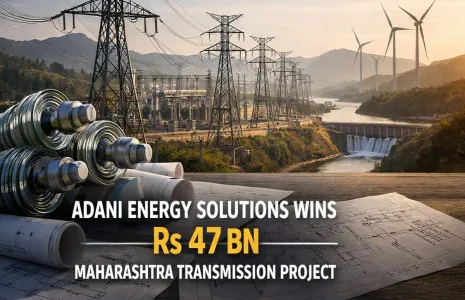
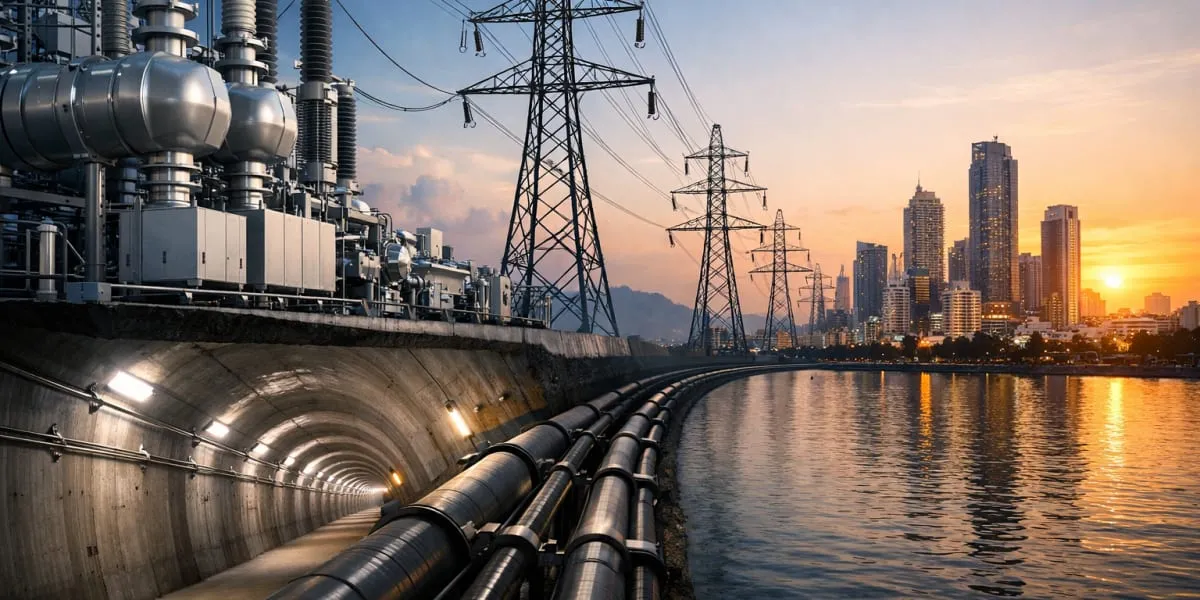
Adani Electricity Mumbai Infrastructure Limited, a subsidiary of Adani Energy Solutions Limited, has commissioned a 1,000 megawatt (MW) high-voltage direct current (HVDC) transmission link between Kudus and Aarey on 14 April 2026. The project comprises a 30-kilometre (km) overhead line and a 50-kilometre (km) underground corridor and incorporates the world’s first compact HVDC substation designed for dense urban environments. The link has been developed to strengthen power infrastructure across Mumbai and the wider Mumbai Metropolitan Region.

The HVDC corridor enables Mumbai and the metropolitan region to draw greater volumes of electricity from outside the city, including renewable generation from other regions, and improves the control and efficiency of power flows. For an energy-intensive urban cluster such as the MMR, the additional 1,000 MW helps to decongest in-city generation, enhances reliability and lowers the risk of large-scale outages. The initiative is a response to systemic vulnerabilities identified after the October 2020 blackout and reflects a wider push to bolster grid resilience.

The project deploys Voltage Source Converter (VSC)-based HVDC technology, which provides faster and more precise control of power flows and supports voltage stability within constrained urban grids. Operational benefits include dynamic voltage support, reduced transmission losses over long distances and black-start capability that permits restoration without reliance on an external source. The compact substation footprint and the mixed overhead and underground routing make the link suitable for heavily built-up areas.

The Kudus–Aarey link ranks among the largest urban HVDC infeeds globally and is expected to significantly increase the share of externally sourced power feeding Mumbai, easing pressure on local generation as demand rises. AESL described the corridor as enhancing grid stability, decongesting existing networks and strengthening the city’s energy security while advancing decarbonisation goals. AESL currently operates a cumulative transmission network of 27,949 ckm and 123,175 MVA transformation capacity and serves approximately 13 million consumers in metropolitan Mumbai and Mundra SEZ.

Adani Electricity Mumbai Infrastructure Limited, a subsidiary of Adani Energy Solutions Limited, has commissioned a 1,000 megawatt (MW) high-voltage direct current (HVDC) transmission link between Kudus and Aarey on 14 April 2026. The project comprises a 30-kilometre (km) overhead line and a 50-kilometre (km) underground corridor and incorporates the world’s first compact HVDC substation designed for dense urban environments. The link has been developed to strengthen power infrastructure across Mumbai and the wider Mumbai Metropolitan Region. The HVDC corridor enables Mumbai and the metropolitan region to draw greater volumes of electricity from outside the city, including renewable generation from other regions, and improves the control and efficiency of power flows. For an energy-intensive urban cluster such as the MMR, the additional 1,000 MW helps to decongest in-city generation, enhances reliability and lowers the risk of large-scale outages. The initiative is a response to systemic vulnerabilities identified after the October 2020 blackout and reflects a wider push to bolster grid resilience. The project deploys Voltage Source Converter (VSC)-based HVDC technology, which provides faster and more precise control of power flows and supports voltage stability within constrained urban grids. Operational benefits include dynamic voltage support, reduced transmission losses over long distances and black-start capability that permits restoration without reliance on an external source. The compact substation footprint and the mixed overhead and underground routing make the link suitable for heavily built-up areas. The Kudus–Aarey link ranks among the largest urban HVDC infeeds globally and is expected to significantly increase the share of externally sourced power feeding Mumbai, easing pressure on local generation as demand rises. AESL described the corridor as enhancing grid stability, decongesting existing networks and strengthening the city’s energy security while advancing decarbonisation goals. AESL currently operates a cumulative transmission network of 27,949 ckm and 123,175 MVA transformation capacity and serves approximately 13 million consumers in metropolitan Mumbai and Mundra SEZ.

Next Story
Real Estate

Dubai Real Estate Sales Reach AED48 Billion

Dubai’s real estate market recorded 13,977 sales transactions worth AED48 billion in April 2026, reflecting continued resilience across residential and commercial segments.According to a market update by fäm Properties, sales volume rose 3.5 per cent month-on-month compared to March, while total sales value increased by 10.7 per cent. The commercial sector, including offices and shops, recorded the strongest growth, with 561 transactions valued at AED4 billion, up 33.9 per cent year-on-year and 36.2 per cent month-on-month.Apartment sales rose 6.5 per cent month-on-month to 11,377 transacti..

Next Story
Real Estate

Casagrand Launches 35-Acre Hyderabad Project

Casagrand has launched Casagrand Vybe, its largest residential project in Hyderabad, spread across 35 acres in Rajendra Nagar. The launch marks the company’s fifth residential rollout in 2026 and strengthens its expansion momentum in the city.As part of its Hyderabad growth strategy, Casagrand is adding 3.98 million sq ft of residential space to its portfolio. Since entering the Hyderabad residential market in 2023, the company has scaled its presence with projects across key micro-markets. In 2025, it launched four projects — Casagrand Evon, Casagrand Windsor Court, Casagrand Belair and C..

Next Story
Technology

Bentley Event Spotlights AI Infrastructure

Bentley Systems recently hosted Illuminate Mumbai 2026, bringing together infrastructure leaders, policymakers, technology experts and academia to discuss how AI-driven engineering and digital twins can accelerate India’s journey towards Viksit Bharat 2047.The event focused on scaling intelligent and connected infrastructure ecosystems beyond digital adoption. Discussions covered the use of infrastructure AI, open data environments and digital twin technologies to improve project delivery, sustainability and long-term asset performance across key sectors.Kamalakannan Thiruvadi, Regional Exec..

Advertisement

Subscribe to Our Newsletter

Get daily newsletters around different themes from Construction world.

STAY CONNECTED

Advertisement

Advertisement

Advertisement