Aker Solutions Secures 150 MW Hydropower Contract in Norway
POWER & RENEWABLE ENERGY

Aker Solutions Secures 150 MW Hydropower Contract in Norway

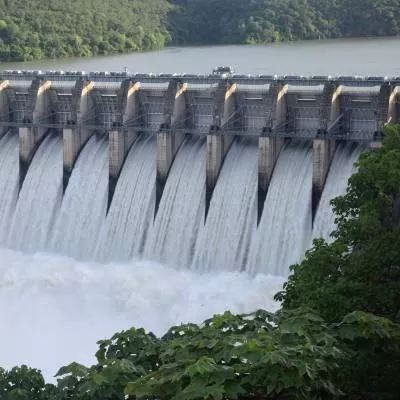
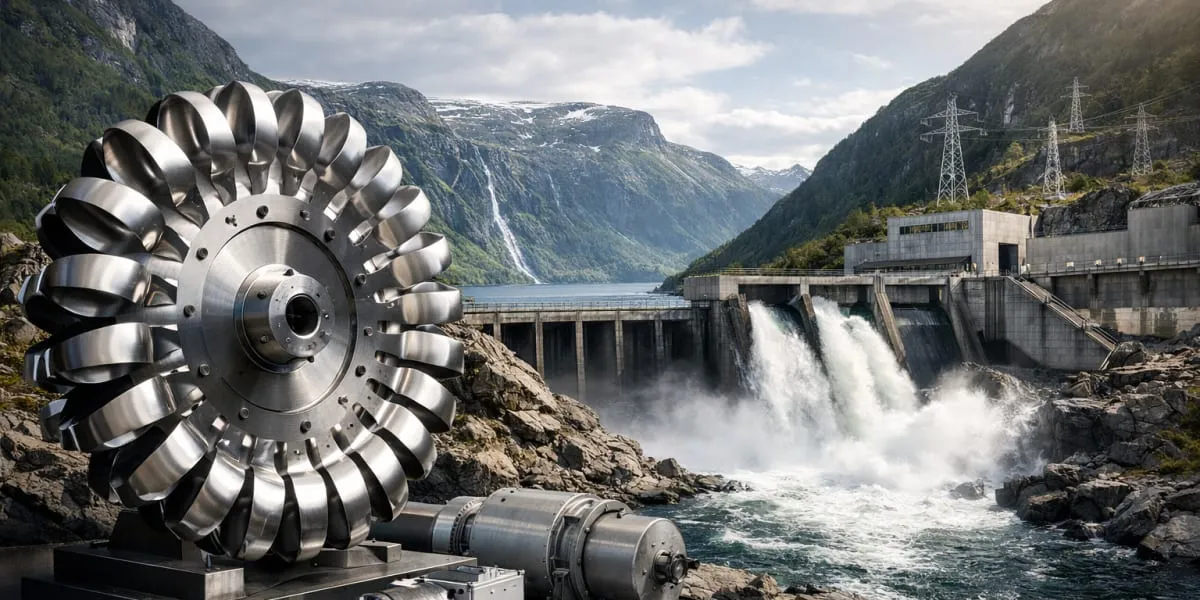
Aker Solutions has secured a contract from Tussa Energi to supply all electromechanical equipment for the Tussa II hydropower plant in western Norway. The contract is valued at between NOK 500 million (mn) and NOK 1.5 billion (bn) and will expand the facility's installed capacity from 64 megawatt (MW) to 150 MW with the addition of two 75 MW Pelton turbine units. The expansion is part of ongoing efforts to increase renewable generation in the region. The award follows technical and commercial evaluations carried out by the project partners.

Aker Solutions' scope includes turbines, generators, inlet pipes, control systems, high-voltage equipment, transformers and auxiliary systems, covering the full electromechanical package. Delivery of equipment and project completion are planned for 2030 as construction progresses on site. The project is being delivered through a collaboration that involves Tussa Energi, Norconsult and Aurstad Tunnel and is expected to coordinate civil and electrical works. The integrated approach aims to streamline installation and commissioning.

In April 2026 Hydro Energi AS and Statkraft signed long-term power purchase agreements for zero point nine terawatt-hour (TWh) of annual electricity from 2029-30 and one point three TWh annually from 2031-38. The agreements secure 12.3 TWh over ten years for Hydro Energi's aluminium plants, with eight point eight TWh designated for the NO2 price area and three point five TWh for NO3. The renewable supply is intended to support Hydro Energi's low-carbon aluminium production and to underpin long-term energy planning for industrial customers.

The contract reinforces Aker Solutions' position in the electromechanical supply chain for hydropower and reflects continued investment in renewable infrastructure in Norway. The enlarged Tussa II plant is expected to contribute materially to regional generation capacity and operational flexibility. Project stakeholders will proceed with equipment manufacturing and site installations ahead of the 2030 deadline. The development aligns with broader efforts to decarbonise industrial power supplies and to secure long-term renewable energy.

Aker Solutions has secured a contract from Tussa Energi to supply all electromechanical equipment for the Tussa II hydropower plant in western Norway. The contract is valued at between NOK 500 million (mn) and NOK 1.5 billion (bn) and will expand the facility's installed capacity from 64 megawatt (MW) to 150 MW with the addition of two 75 MW Pelton turbine units. The expansion is part of ongoing efforts to increase renewable generation in the region. The award follows technical and commercial evaluations carried out by the project partners. Aker Solutions' scope includes turbines, generators, inlet pipes, control systems, high-voltage equipment, transformers and auxiliary systems, covering the full electromechanical package. Delivery of equipment and project completion are planned for 2030 as construction progresses on site. The project is being delivered through a collaboration that involves Tussa Energi, Norconsult and Aurstad Tunnel and is expected to coordinate civil and electrical works. The integrated approach aims to streamline installation and commissioning. In April 2026 Hydro Energi AS and Statkraft signed long-term power purchase agreements for zero point nine terawatt-hour (TWh) of annual electricity from 2029-30 and one point three TWh annually from 2031-38. The agreements secure 12.3 TWh over ten years for Hydro Energi's aluminium plants, with eight point eight TWh designated for the NO2 price area and three point five TWh for NO3. The renewable supply is intended to support Hydro Energi's low-carbon aluminium production and to underpin long-term energy planning for industrial customers. The contract reinforces Aker Solutions' position in the electromechanical supply chain for hydropower and reflects continued investment in renewable infrastructure in Norway. The enlarged Tussa II plant is expected to contribute materially to regional generation capacity and operational flexibility. Project stakeholders will proceed with equipment manufacturing and site installations ahead of the 2030 deadline. The development aligns with broader efforts to decarbonise industrial power supplies and to secure long-term renewable energy.

Related Stories

Gold Stories

Next Story
Real Estate

LML Realty Sells Out Jhirka Valley Industrial Park in Haryana

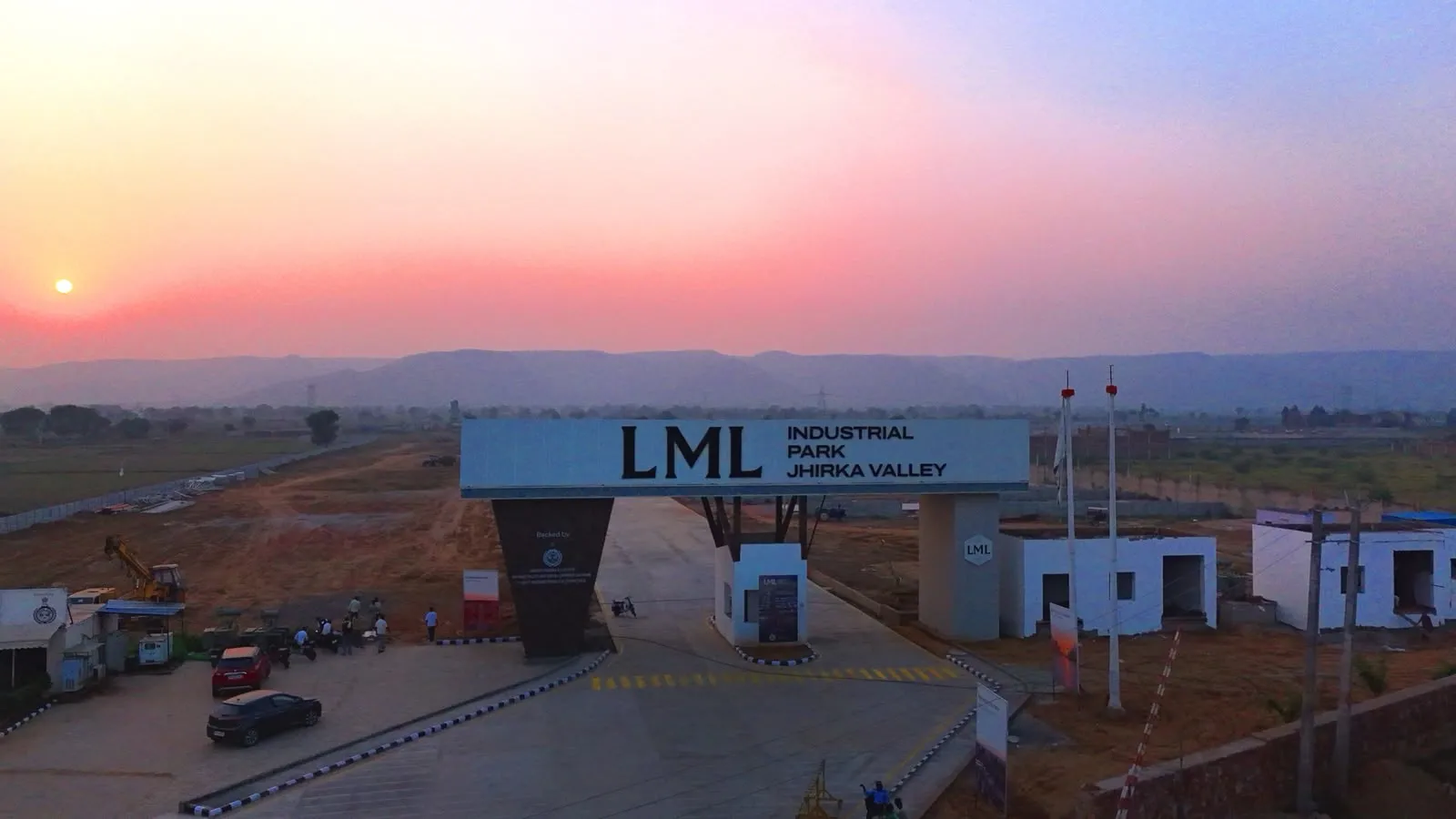
LML Realty, the real estate arm of LML Group, recently announced the complete sell-out of its Jhirka Valley Industrial Park in Haryana, with over 1.17 million sq ft of industrial space acquired by more than 50 companies. With utilities and internal infrastructure in place, the company has commenced plot handovers, enabling buyers to begin construction and establish their operations.The industrial park has attracted companies across diverse sectors, including chemicals, metals and alloys, textiles, electrical equipment, energy, logistics, construction, polymers and engineering. Key buyers inclu..

Next Story
Real Estate

WSB Real Estate Partners Exits Six Housing Investments

WSB Real Estate Partners recently announced the successful exit of six residential investments across Bengaluru, Mumbai Metropolitan Region (MMR) and National Capital Region (NCR), delivering an average internal rate of return (IRR) of 19–21 per cent and an overall investment return of 1.4 times.The real estate-focused investment firm invested approximately Rs 7 billion across six mid-affordable housing projects over the past four years. All six investments were fully repaid between April and November 2026, several months ahead of their original investment tenures.WSB collaborated with sever..

Next Story
Infrastructure Transport

Aluminium Industry Seeks Policy Support for Rs 4 Trillion Investment

The Aluminium Association of India (AAI) has recently urged the government to introduce supportive policy measures to safeguard the sector’s proposed Rs 4 trillion investment pipeline. The association highlighted the need for a predictable policy framework to strengthen domestic manufacturing, expand production capacity and reduce import dependence.AAI submitted its recommendations for the Union Budget 2027-28 to the Ministries of Finance, Commerce and Industry, and Mines, along with the Department for Promotion of Industry and Internal Trade (DPIIT).India’s aluminium demand is projected t..

Subscribe to Our Newsletter

Get daily newsletters around different themes from Construction world.

STAY CONNECTED

Advertisement

SPECIAL OFFER
QR Code