CDC Group invests $70 million  in India's climate change fund
POWER & RENEWABLE ENERGY

CDC Group invests $70 million in India's climate change fund

CDC Group has invested $70 million in the Green Growth Equity Fund (GGEF), the climate fund of India. Eversource Capital manages the fund, a joint venture (JV) between Everstone Group and Lightsource British Petroleum's renewable energy platform.

GGEF has strong climate credentials and has several investments in the company's portfolio. The portfolio consists of Radiance, a renewable energy solution for commercial and industrial purposes; Greencell Mobility, an e-mobility platform; Ayana, an utility-scale renewable energy platform; Everenviro, an integrated waste management platform and Kathari, a wastewater management platform.

GGEF will use the investment to finance the development of green infrastructure in India. It uses a platform model for its funds, which means that the company is set up from scratch and then grows the platform by acquiring other companies.

As per GGEF, the platform can help acquire operational efficiencies and scale their business by consolidating with similar businesses. It will improve profitability and grow the company to attract buyers. The environmental, social and governance (ESG) standards will also bring common standards across the platform.

This year in September, CDC Group unveiled its aim to invest up to $1 billion in India's climate change funding in the next five years. It will enhance the country's efforts towards climate change and align with the Paris Agreement. In the last four years, CDC Group has invested over $1 billion in climate finance in South Asia and Africa. CDC Group has a $2 billion portfolio in the country.

Previously, CDC had announced a $30 million unit to Tata Cleantech Capital Limited (TCCL) through the green lending facility. It focuses on mobility solutions and water energy efficiency to help mitigate climate change.

CDC Group has also invested in Ayana Renewable Power, committed to investing $100 million. In December last year, CDC announced equity funding of $70 million in Ayana.

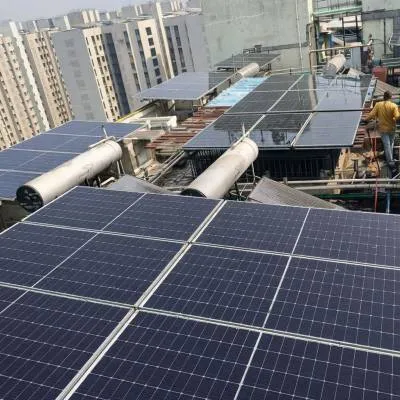
Image Source

Also read: Sterlite gets Rs 324 cr inter-state power transmission project

CDC Group has invested $70 million in the Green Growth Equity Fund (GGEF), the climate fund of India. Eversource Capital manages the fund, a joint venture (JV) between Everstone Group and Lightsource British Petroleum's renewable energy platform. GGEF has strong climate credentials and has several investments in the company's portfolio. The portfolio consists of Radiance, a renewable energy solution for commercial and industrial purposes; Greencell Mobility, an e-mobility platform; Ayana, an utility-scale renewable energy platform; Everenviro, an integrated waste management platform and Kathari, a wastewater management platform. GGEF will use the investment to finance the development of green infrastructure in India. It uses a platform model for its funds, which means that the company is set up from scratch and then grows the platform by acquiring other companies. As per GGEF, the platform can help acquire operational efficiencies and scale their business by consolidating with similar businesses. It will improve profitability and grow the company to attract buyers. The environmental, social and governance (ESG) standards will also bring common standards across the platform. This year in September, CDC Group unveiled its aim to invest up to $1 billion in India's climate change funding in the next five years. It will enhance the country's efforts towards climate change and align with the Paris Agreement. In the last four years, CDC Group has invested over $1 billion in climate finance in South Asia and Africa. CDC Group has a $2 billion portfolio in the country. Previously, CDC had announced a $30 million unit to Tata Cleantech Capital Limited (TCCL) through the green lending facility. It focuses on mobility solutions and water energy efficiency to help mitigate climate change. CDC Group has also invested in Ayana Renewable Power, committed to investing $100 million. In December last year, CDC announced equity funding of $70 million in Ayana. Image Source Also read: Sterlite gets Rs 324 cr inter-state power transmission project

Next Story
Infrastructure Urban

Implementation Status of Jal Jeevan Mission

Since August 2019 the Government has implemented Jal Jeevan Mission to provide assured potable water through household tap connections in rural India. At the start of the mission only 32.3 million (mn) rural households, representing 16.7 per cent, were reported to have tap water connections. States and union territories have reported that 125.8 mn additional rural households have since been provided with tap connections. As a result, of about 193.6 mn rural households roughly 158.2 mn, or 81.71 per cent, are reported to have tap water supply at home.\n\nThe State, district and village level st..

Next Story
Infrastructure Urban

Jal Jeevan Mission Reaches Eighty One Per Cent Rural Coverage

The Government reported substantial progress under the Jal Jeevan Mission, launched in August 2019 to provide tap water to every rural household. At launch only 32.3 million (mn) rural households had tap connections and states and Union territories reported provision of 125.8 mn additional households by March 2026. Consequently, out of about 193.6 mn rural households around 158.2 mn, or 81.71 per cent, are reported to have tap water at home. The Finance Minister announced extension of the mission until 2028 in the 2025-26 budget speech. The Swachh Bharat Mission Grameen, launched in October 20..

Next Story
Infrastructure Urban

Empowering Local Governance for Sustainable Rural Water Supply

The Ministry of Jal Shakti has aligned the Jal Jeevan Mission (JJM) with the 73rd Amendment to strengthen village level planning and community ownership of water supply. Gram Panchayats, village water and sanitation committees and Pani Samitis are to plan, implement, manage and maintain piped water systems, with gram sabha processes formalising handover and oversight. Implementation support agencies including non government organisations, community based organisations and self help groups have been empanelled to train local committees and promote women participation. Under JJM, the department ..

Advertisement

Subscribe to Our Newsletter

Get daily newsletters around different themes from Construction world.

STAY CONNECTED

Advertisement

Advertisement

Advertisement