Essar Oil & Gas invests in microbial eCBM technology to boost output
POWER & RENEWABLE ENERGY

Essar Oil & Gas invests in microbial eCBM technology to boost output

Essar Oil and Gas Exploration and Production (EOGEPL) announced an investment in microbial eCBM technology to increase coal-bed methane (CBM) production from its West Bengal CBM block.

The company, which has already invested Rs 5,000 crore in finding and producing gas from coal seams, known as CBM, plans to invest an additional Rs 2,000 crore to increase its reserve base and ramp up CBM production to contribute at least 5% to India's total gas production, according to an EOGEPL statement.

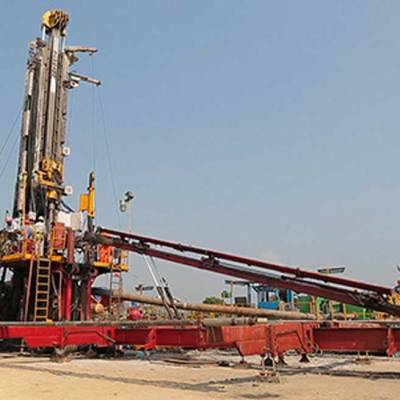
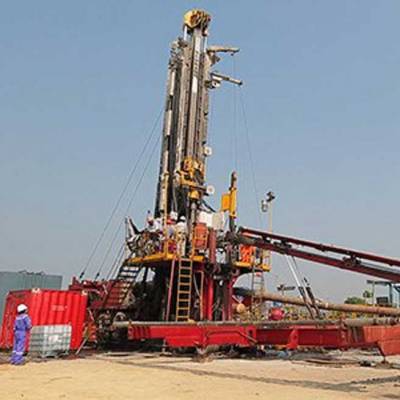
On its Raniganj Block in West Bengal, it has drilled approximately 350 wells and is currently producing nearly 0.9 million cubic metres of gas per day. Investment in microbial eCBM technology will help increase output by increasing the rate of recovery.

"EOGEPL has collaborated with The Energy & Resources Institute (TERI) and ONGC Energy Centre (OEC) to establish the potential of eCBM microbial technology in the Raniganj-East Block of the company."The technique's feasibility test was completed in collaboration with TERI-OEC, and parallel R&D for full-field application is ongoing," the company said. The company, however, did not provide specifics about the investment.

"Our investment in microbial eCBM technology demonstrates our commitment to expanding production and reserves." "With this initiative, we hope to increase gas production while also contributing to the vision of becoming a 'gas-based economy' in the coming decade," said Pankaj Kalra, CEO of EOGEPL.

Following extensive research, eCBM Microbial stimulation has been completed in five wells of the company's Raniganj-East Block. These wells will be monitored for the next three to six months, and EOGEPL will implement the technology on a large scale to maximise gas yield and improve the reserves base based on the results and final design optimisation. The Microbial Treatment is one of the 'enhanced recovery methods' used to increase reserves in the oil and gas industry.

The introduction of Microbial Stimulation Technology is expected to increase CBM gas production while improving the reserve base by up to 10%. EOGEPL has invested more than Rs 5,000 crore in the exploration and commercial development of the Raniganj CBM Block to date, making it India's only E&P company to produce more than 80 billion cubic feet of CBM.

"As the largest CBM producer in the country, EOGEPL is committed to investing in cutting-edge technologies such as hydro-fracking, radial drilling, and microbial treatments to further advance its R&D efforts," the company stated. EOGEPL is one of India's largest E&P companies, primarily focused on unconventional hydrocarbons (UHC), with a resource base of 12 Tcf (Trillion Cubic Feet) CBM and shale gas.

Also Read
Delhi announces premium bus aggregator project
J Kumar [likely] to bag PEB project for Mumbai Metro Line-2B

Essar Oil and Gas Exploration and Production (EOGEPL) announced an investment in microbial eCBM technology to increase coal-bed methane (CBM) production from its West Bengal CBM block. The company, which has already invested Rs 5,000 crore in finding and producing gas from coal seams, known as CBM, plans to invest an additional Rs 2,000 crore to increase its reserve base and ramp up CBM production to contribute at least 5% to India's total gas production, according to an EOGEPL statement. On its Raniganj Block in West Bengal, it has drilled approximately 350 wells and is currently producing nearly 0.9 million cubic metres of gas per day. Investment in microbial eCBM technology will help increase output by increasing the rate of recovery. EOGEPL has collaborated with The Energy & Resources Institute (TERI) and ONGC Energy Centre (OEC) to establish the potential of eCBM microbial technology in the Raniganj-East Block of the company.The technique's feasibility test was completed in collaboration with TERI-OEC, and parallel R&D for full-field application is ongoing, the company said. The company, however, did not provide specifics about the investment. Our investment in microbial eCBM technology demonstrates our commitment to expanding production and reserves. With this initiative, we hope to increase gas production while also contributing to the vision of becoming a 'gas-based economy' in the coming decade, said Pankaj Kalra, CEO of EOGEPL. Following extensive research, eCBM Microbial stimulation has been completed in five wells of the company's Raniganj-East Block. These wells will be monitored for the next three to six months, and EOGEPL will implement the technology on a large scale to maximise gas yield and improve the reserves base based on the results and final design optimisation. The Microbial Treatment is one of the 'enhanced recovery methods' used to increase reserves in the oil and gas industry. The introduction of Microbial Stimulation Technology is expected to increase CBM gas production while improving the reserve base by up to 10%. EOGEPL has invested more than Rs 5,000 crore in the exploration and commercial development of the Raniganj CBM Block to date, making it India's only E&P company to produce more than 80 billion cubic feet of CBM. As the largest CBM producer in the country, EOGEPL is committed to investing in cutting-edge technologies such as hydro-fracking, radial drilling, and microbial treatments to further advance its R&D efforts, the company stated. EOGEPL is one of India's largest E&P companies, primarily focused on unconventional hydrocarbons (UHC), with a resource base of 12 Tcf (Trillion Cubic Feet) CBM and shale gas. Also Read Delhi announces premium bus aggregator project J Kumar [likely] to bag PEB project for Mumbai Metro Line-2B

Next Story
Infrastructure Urban

India Expands Semiconductor Training To 500 Institutions

Under the Chips to Startups programme of the India Semiconductor Mission, the Union minister responsible for Railways, Information and Broadcasting, and Electronics and IT reported notable progress in talent development. He indicated that over the past four years substantial steps have been taken towards a 10-year target of training 85,000 engineers in semiconductor design. World-class EDA tools have been deployed in 315 academic institutions across the country to provide students with practical exposure to chip design. These EDA tools are supported by leading global firms and are accessible t..

Next Story
Infrastructure Urban

Delhi Institutions Support India Semiconductor Mission

The Government of India has prioritised talent development through training, upskilling and workforce development under the Chips to Startups initiative of the India Semiconductor Mission, with officials noting progress in four years towards a 10-year target of training 85,000 engineers in semiconductor design. Electronic design automation tools provided by Synopsys, Cadence, Siemens, Renesas, Ansys and AMD have been deployed in 315 academic institutions, enabling students to gain practical chip design experience. Chips have been fabricated and tested at the Semiconductor Laboratory, Mohali, a..

Next Story
Infrastructure Urban

NHA Announces Winners Of NHCX Hackathon At IIT Hyderabad

The National Health Authority (NHA) has concluded the NHCX Hackathon under the Ayushman Bharat Digital Mission (ABDM) to stimulate innovation around the National Health Claims Exchange (NHCX). The winning teams presented their solutions at the NHCX Innovation Meet held at IIT Hyderabad during a two-day event in March 2026 that also served as the hackathon grand finale. The hackathon itself ran from 22 to 28 February 2026 and aimed to accelerate paperless, transparent claims processing across India. The event was organised with a range of ecosystem partners, including the Insurance Regulatory a..

Advertisement

Subscribe to Our Newsletter

Get daily newsletters around different themes from Construction world.

STAY CONNECTED

Advertisement

Advertisement

Advertisement