Hoymiles Inverters Power Two Point Two MW Solar Project in Telangana
POWER & RENEWABLE ENERGY

Hoymiles Inverters Power Two Point Two MW Solar Project in Telangana

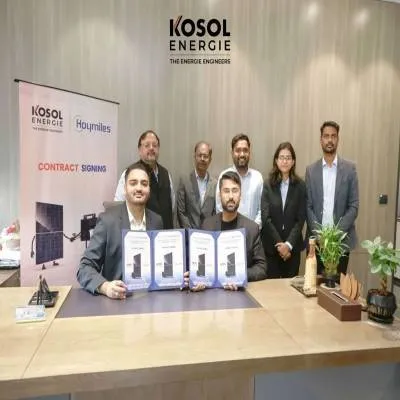
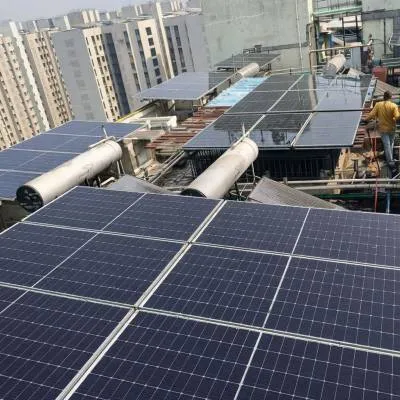
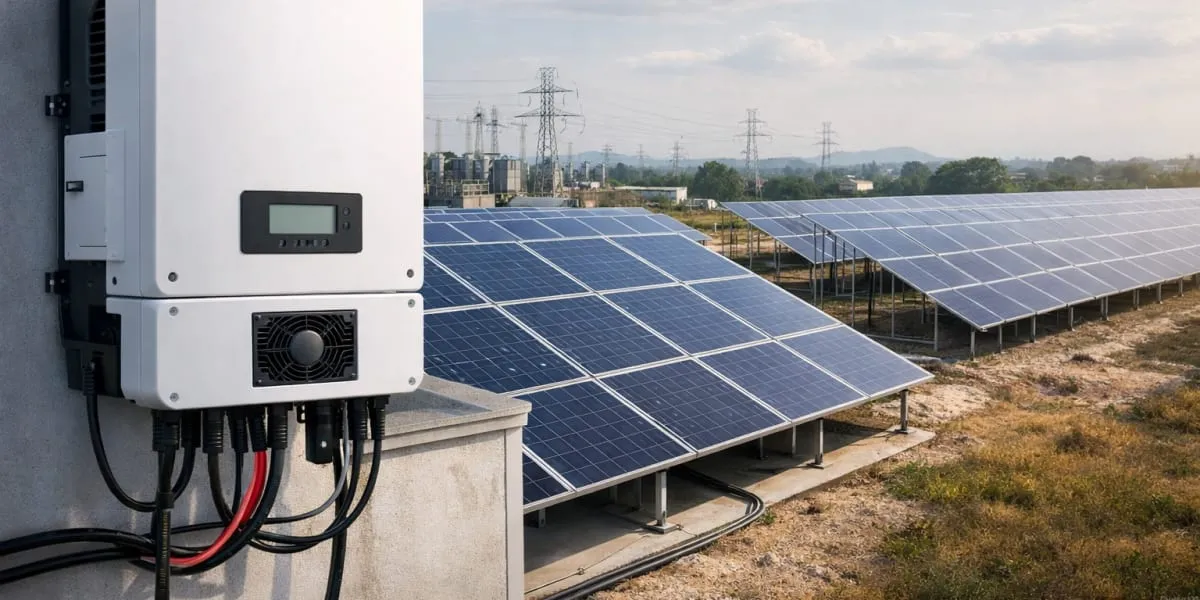
Hoymiles has deployed its string inverters to power a 2.2 megawatt (MW) solar project in Telangana that has been developed under the Indira Mahila Shakti scheme. The installation represents a distributed generation approach intended to support local energy needs and to involve women in renewable initiatives under the scheme. The deployment covers rooftop and ground-mounted arrays and integrates module-level optimisation to manage varying irradiance and shading at the site level.

String inverters were chosen for their module-level conversion, which reduces system losses and allows individual module monitoring and rapid fault isolation. The technology offers enhanced safety through lower DC voltage runs and enables remote monitoring and data analytics to track performance. System integrators implemented a central monitoring platform that aggregates inverter telemetry to provide daily and hourly yield data for operators and stakeholders.

The project is expected to improve energy yield and reduce operating expenditure by allowing targeted maintenance and faster fault resolution. Under the Indira Mahila Shakti scheme, developers noted that local women’s groups will participate in project oversight and management activities, providing new technical training and income opportunities. Capacity building was arranged to familiarise local operators with inverter software, safety procedures and routine maintenance workflows to ensure long-term performance.

Deployment of the two point two MW capacity adds to Telangana’s distributed renewable capacity and aligns with broader state and national objectives to expand clean energy access. Hoymiles emphasised that scalable string inverter solutions can accelerate decentralised solar adoption and support community level resilience. The project will be monitored for performance metrics and lessons will be used to inform future installations under similar social and renewable programmes.

"Join industry leaders at RAHSTA Expo, India's premier platform for roads, highways and traffic infrastructure. Register now to explore innovations, network with experts and shape the future of mobility."

Hoymiles has deployed its string inverters to power a 2.2 megawatt (MW) solar project in Telangana that has been developed under the Indira Mahila Shakti scheme. The installation represents a distributed generation approach intended to support local energy needs and to involve women in renewable initiatives under the scheme. The deployment covers rooftop and ground-mounted arrays and integrates module-level optimisation to manage varying irradiance and shading at the site level. String inverters were chosen for their module-level conversion, which reduces system losses and allows individual module monitoring and rapid fault isolation. The technology offers enhanced safety through lower DC voltage runs and enables remote monitoring and data analytics to track performance. System integrators implemented a central monitoring platform that aggregates inverter telemetry to provide daily and hourly yield data for operators and stakeholders. The project is expected to improve energy yield and reduce operating expenditure by allowing targeted maintenance and faster fault resolution. Under the Indira Mahila Shakti scheme, developers noted that local women’s groups will participate in project oversight and management activities, providing new technical training and income opportunities. Capacity building was arranged to familiarise local operators with inverter software, safety procedures and routine maintenance workflows to ensure long-term performance. Deployment of the two point two MW capacity adds to Telangana’s distributed renewable capacity and aligns with broader state and national objectives to expand clean energy access. Hoymiles emphasised that scalable string inverter solutions can accelerate decentralised solar adoption and support community level resilience. The project will be monitored for performance metrics and lessons will be used to inform future installations under similar social and renewable programmes.

Next Story
Infrastructure Transport

Third Railway Line Between Tatanagar And Adityapur Likely By September

The third railway line between Tatanagar and Adityapur is expected to be commissioned by September as work on the corridor advances, according to railway sources. The project to add a fourth line on the busy route is progressing and has been allocated Rs 50.89 billion (bn) in funding. The allocation underscores the focus on increasing capacity and easing congestion on the corridor. Relevant timetables are being adjusted to integrate the new capacity into regular operations. Construction activity has involved track laying, formation work and signalling upgrades along strategic stretches, with m..

Next Story
Infrastructure Transport

Indian Railways Approves Rs 2.7 bn Kavach Rollout in Odisha

Indian Railways has approved a Rs 2.7 billion (Rs 2.7 bn) plan to install the Kavach train collision avoidance system on 631 route kilometres in the East Coast Railway zone. The Ministry of Railways said the work will form part of a wider Kavach deployment programme that relies on an LTE based communication backbone rather than a standalone installation. The approval marks the latest stage in the steady expansion of the indigenous safety technology across the national network. The decision aims to enhance safety and reliability on corridors serving Odisha and adjoining areas. The project will ..

Next Story
Infrastructure Transport

Indian Railways Accelerates Modernisation Drive

Indian Railways utilised nearly 30 per cent of its capital expenditure budget for FY2026-27 within the first two months of the financial year, spending more than Rs 840 billion (bn) in April and May against a planned outlay of Rs 2.93 trillion (tn) for the year. The Union Budget allocated Rs 2.93 tn in total capex, comprising Rs 2.81 tn through gross budgetary support and Rs 120 bn from extra-budgetary resources. The early absorption indicates robust project execution and an aggressive infrastructure push. A significant share of the spending is being channelled towards track infrastructure, in..

Advertisement

Subscribe to Our Newsletter

Get daily newsletters around different themes from Construction world.

STAY CONNECTED

Advertisement

Advertisement

Advertisement