+
India Advances Nuclear Capacity Towards 100 GW by 2047
POWER & RENEWABLE ENERGY

India Advances Nuclear Capacity Towards 100 GW by 2047

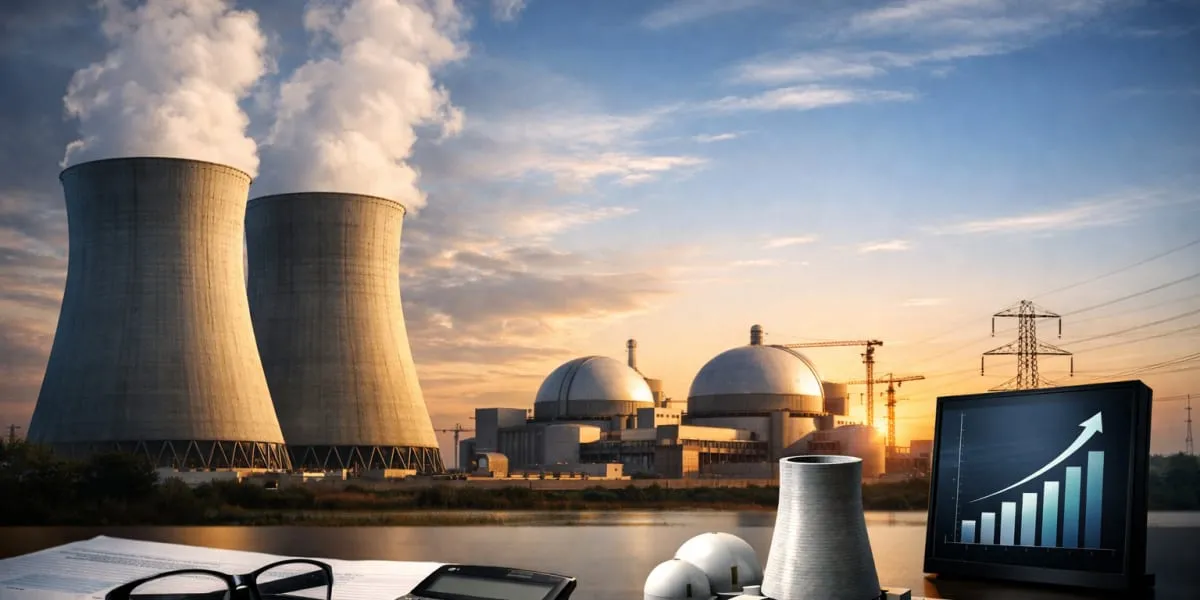
An official factsheet said India operates 24 nuclear power reactors with a total installed capacity of eight point seven eight GW and has nine reactor units with a combined seven point five GW under construction as it advances to achieving 100 GW of nuclear power capacity by 2047. The figures reflect the current operating fleet and projects under way to expand baseload generation over the coming decades. The factsheet, released on Friday, set out targets and the status of ongoing initiatives.

Recent policy initiatives, including the Nuclear Energy Mission (2025–26) and the SHANTI Act, 2025, are accelerating capacity expansion, strengthening domestic manufacturing and promoting innovation while enabling greater private sector participation. The measures are intended to attract investment across design, component manufacture and construction supply chains. They also aim to streamline project delivery and support technology absorption across the industry.

The government has approved 10 indigenous Pressurised Heavy Water Reactors (PHWRs) in fleet mode and is progressing pre-project activities for two 500 MW Fast Breeder Reactors (FBR). Fleet mode approvals are designed to standardise design and shorten timelines.

India's nuclear strategy emphasises technological self-reliance developed to overcome historical fuel embargoes and to harness the country's vast thorium reserves through its three-stage nuclear power programme. The programme allows a phased transition from uranium- to thorium-based fuel cycles while fostering domestic research and industry capability. Officials framed this approach as central to long-term energy independence.

The factsheet highlighted that India is among the few countries with vitrification technology for high-level radioactive waste, a process that converts such waste into a stable glass form for safer long-term storage, transport and eventual disposal. This capability supports responsible waste management as capacity expands and authorities continue to strengthen regulations and facilities for handling.

The government has placed nuclear energy at the core of its long-term energy strategy, recognising the role of round-the-clock, low-carbon electricity in complementing renewable sources and ensuring grid stability. Nuclear power reduces dependence on imported fossil fuels and supports climate commitments while advancing indigenous innovation and supply chain development.

An official factsheet said India operates 24 nuclear power reactors with a total installed capacity of eight point seven eight GW and has nine reactor units with a combined seven point five GW under construction as it advances to achieving 100 GW of nuclear power capacity by 2047. The figures reflect the current operating fleet and projects under way to expand baseload generation over the coming decades. The factsheet, released on Friday, set out targets and the status of ongoing initiatives. Recent policy initiatives, including the Nuclear Energy Mission (2025–26) and the SHANTI Act, 2025, are accelerating capacity expansion, strengthening domestic manufacturing and promoting innovation while enabling greater private sector participation. The measures are intended to attract investment across design, component manufacture and construction supply chains. They also aim to streamline project delivery and support technology absorption across the industry. The government has approved 10 indigenous Pressurised Heavy Water Reactors (PHWRs) in fleet mode and is progressing pre-project activities for two 500 MW Fast Breeder Reactors (FBR). Fleet mode approvals are designed to standardise design and shorten timelines. India's nuclear strategy emphasises technological self-reliance developed to overcome historical fuel embargoes and to harness the country's vast thorium reserves through its three-stage nuclear power programme. The programme allows a phased transition from uranium- to thorium-based fuel cycles while fostering domestic research and industry capability. Officials framed this approach as central to long-term energy independence. The factsheet highlighted that India is among the few countries with vitrification technology for high-level radioactive waste, a process that converts such waste into a stable glass form for safer long-term storage, transport and eventual disposal. This capability supports responsible waste management as capacity expands and authorities continue to strengthen regulations and facilities for handling. The government has placed nuclear energy at the core of its long-term energy strategy, recognising the role of round-the-clock, low-carbon electricity in complementing renewable sources and ensuring grid stability. Nuclear power reduces dependence on imported fossil fuels and supports climate commitments while advancing indigenous innovation and supply chain development.

Related Stories

Gold Stories

Next Story
Real Estate

Elevate Homes to Develop Premium Project in Gurugram

Elevate Homes, the integrated residential development platform established by Hines and Conscient Infrastructure, will develop a premium residential project in Sector 63A, Golf Course Extension Road, Gurugram. Spread across 10.5 acres with around two million sq. ft. of saleable area, the project is planned for launch later in 2026.Designed by global architecture firm Benoy, the development will feature globally inspired architecture, nature-led design and curated wellness-focused spaces. The project will offer more than 600 three- and four-bedroom residences, with a focus on liveability, susta..

Next Story
Real Estate

BPTP Skynest Wins Premium High-Rise Development Award

BPTP Limited has been recognised with the ‘Premium High-Rise Development of the Year’ award for its residential project BPTP Skynest at the Times Realty & Infrastructure Conclave 2026, held at Grand Hyatt, Gurugram.Located in Sector 80, Greater Faridabad, BPTP Skynest is designed as a premium high-rise residential development featuring contemporary architecture, thoughtfully planned homes and lifestyle-oriented amenities. The project comprises 504 residential units and incorporates biophilic design elements through 20 dedicated Sky Nests, landscaped green spaces integrated within the t..

Next Story
Real Estate

Dubai Buyers Seek Independent Property Transfer Services

Dubai’s property market is witnessing growing discussions around the role of independent transfer services, as some leading brokerages require buyers to pay conveyancing or sales-progression fees even when the service is managed within the same business group holding the seller’s mandate.The practice has gained attention as brokerage websites promote such services, while LinkedIn and Instagram profiles highlight dedicated sales-progression teams operating within agencies. Industry observers point out that the concern is not about the capability of in-house conveyancers but whether buyers s..

Advertisement

Subscribe to Our Newsletter

Get daily newsletters around different themes from Construction world.

STAY CONNECTED

Advertisement

SPECIAL OFFER
QR Code