IIT Jammu Invites EOI For Two Point Two MWp Hybrid Solar PV
POWER & RENEWABLE ENERGY

IIT Jammu Invites EOI For Two Point Two MWp Hybrid Solar PV

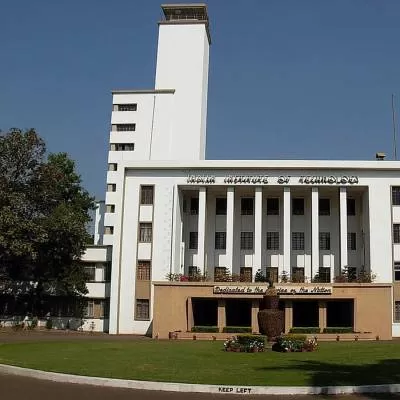
IIT Jammu has invited expressions of interest for the design, supply, installation, testing, commissioning and operation and maintenance of a two point two megawatt-peak (MWp) hybrid solar photovoltaic plant integrated with an eight megawatt-hour (MWh) Battery Energy Storage System (BESS) at its Jagti Campus. The project will be delivered on a supply, installation, testing and commissioning basis and will strengthen the institute's clean energy infrastructure while serving as a research oriented microgrid.

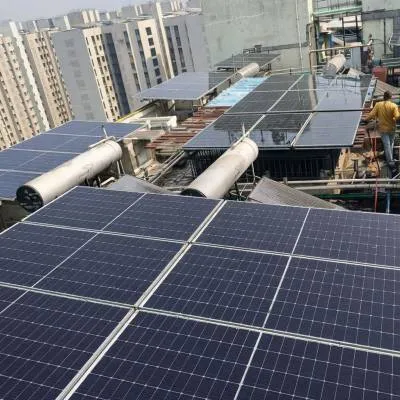
IIT Jammu plans to deploy one MWp on campus rooftops and one point two MWp on elevated pathway structures for a total of two point two MWp. The system will use multiple tracking technologies, with eighty per cent fixed tilt and the remainder split among single axis, dual axis, active and passive tracking at five per cent each. The arrangement aims to optimise generation profiles and support campus research.

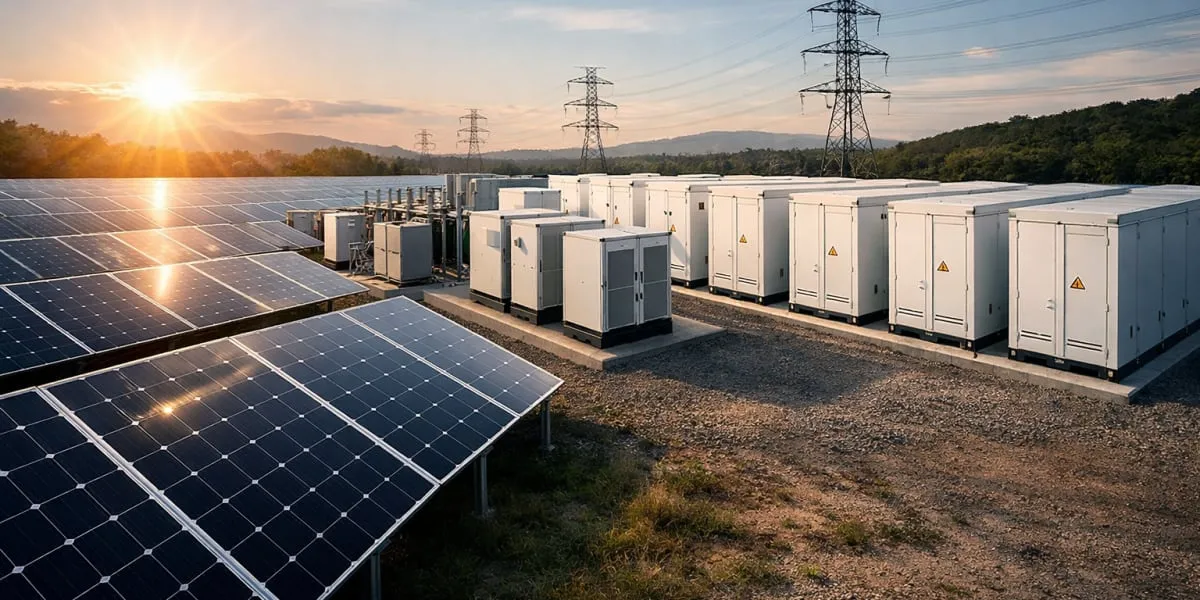
The solar array will be coupled with an eight MWh distributed usable BESS, primarily based on lithium iron phosphate chemistry or other suitable chemistries determined through technical and commercial evaluation. The scope includes micro grid tied hybrid inverters that comply with Government of India Made in India guidelines and integration with the institute's supervisory control and data acquisition system and its thirty three kV grid infrastructure. The work is scheduled for completion within 10 months.

The EOI was published on 24 July 2026 with downloads available from the same date. A vendor presentation is scheduled for 4 August 2026, the last date for submission is 14 August 2026 and responses will be opened on 17 August 2026. As an exploratory EOI no earnest money deposit or performance bank guarantee is specified at this stage and the O&M period, expected to range between five and 10 years, will be finalised at the RFP stage. Eligible applicants must be Indian registered entities with ISO 9001, ISO 14001 and ISO 45001 and have completed at least three similar projects totalling five MWp or more in the past seven years, including one project of one MWp integrated with a minimum two MWh BESS.

IIT Jammu has invited expressions of interest for the design, supply, installation, testing, commissioning and operation and maintenance of a two point two megawatt-peak (MWp) hybrid solar photovoltaic plant integrated with an eight megawatt-hour (MWh) Battery Energy Storage System (BESS) at its Jagti Campus. The project will be delivered on a supply, installation, testing and commissioning basis and will strengthen the institute's clean energy infrastructure while serving as a research oriented microgrid. IIT Jammu plans to deploy one MWp on campus rooftops and one point two MWp on elevated pathway structures for a total of two point two MWp. The system will use multiple tracking technologies, with eighty per cent fixed tilt and the remainder split among single axis, dual axis, active and passive tracking at five per cent each. The arrangement aims to optimise generation profiles and support campus research. The solar array will be coupled with an eight MWh distributed usable BESS, primarily based on lithium iron phosphate chemistry or other suitable chemistries determined through technical and commercial evaluation. The scope includes micro grid tied hybrid inverters that comply with Government of India Made in India guidelines and integration with the institute's supervisory control and data acquisition system and its thirty three kV grid infrastructure. The work is scheduled for completion within 10 months. The EOI was published on 24 July 2026 with downloads available from the same date. A vendor presentation is scheduled for 4 August 2026, the last date for submission is 14 August 2026 and responses will be opened on 17 August 2026. As an exploratory EOI no earnest money deposit or performance bank guarantee is specified at this stage and the O&M period, expected to range between five and 10 years, will be finalised at the RFP stage. Eligible applicants must be Indian registered entities with ISO 9001, ISO 14001 and ISO 45001 and have completed at least three similar projects totalling five MWp or more in the past seven years, including one project of one MWp integrated with a minimum two MWh BESS.

Next Story
Infrastructure Urban

Centre Clears Power Distribution Upgrade for Uttar Pradesh

The Central Government has approved power distribution projects worth Rs 407.39 billion for Uttar Pradesh under the Revamped Distribution Sector Scheme (RDSS). The investment will be used to modernise the state's electricity distribution infrastructure and strengthen network capacity across urban and rural areas. The package targets one of the country's largest distribution networks as the state experiences rapid urbanisation and rising electricity consumption. Planned interventions include the strengthening of distribution lines, modernisation of substations, replacement of ageing electrical ..

Next Story
Infrastructure Energy

India Data Centres To Consume 191 TWh By 2040 Driving Renewables

A Wood Mackenzie report says India's operational data centre capacity is projected to increase more than fivefold to 12 gigawatt (GW) by 2030 from 2.2 GW in 2025 as artificial intelligence (AI) and cloud computing drive demand. It projects electricity consumption to rise from 10 terawatt-hour (TWh) in 2025 to 191 TWh by 2040. The study forecasts a compound annual growth rate of around 40 per cent and notes AI-dedicated capacity will surge nearly 24-fold from 275 megawatt (MW) in 2025 to 6,546 MW by 2030. The report places India's digital economy at Rs 32 trillion (tn) in 2025 and says it contr..

Next Story
Infrastructure Transport

Hydrogen Train Completes 1,200 Kilometres Of Trials

India's first hydrogen train was flagged off between Jind and Sonipat on July 17 and has travelled over 1,200 kilometres in trials, saving diesel consumption of more than 3,200 litres, a Railway Ministry press release said. The deployment marks the introduction of a zero-emission fuel cell train into route testing and represents a milestone in domestic rail innovation. The train generates electricity onboard through a chemical reaction between hydrogen and oxygen, producing electricity to propel the vehicle while emitting only water vapour as a by-product. There is no smoke and no tailpipe car..

Advertisement

Subscribe to Our Newsletter

Get daily newsletters around different themes from Construction world.

STAY CONNECTED

Advertisement

Advertisement

Advertisement