India C&I Energy Storage Market Forecast To Reach 2,231 GWh By 2032
POWER & RENEWABLE ENERGY

India C&I Energy Storage Market Forecast To Reach 2,231 GWh By 2032

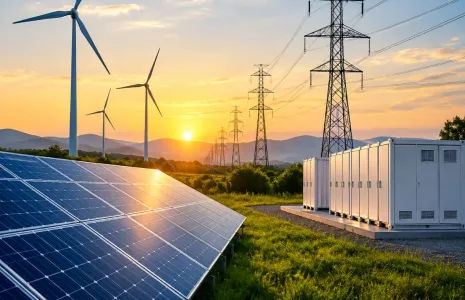
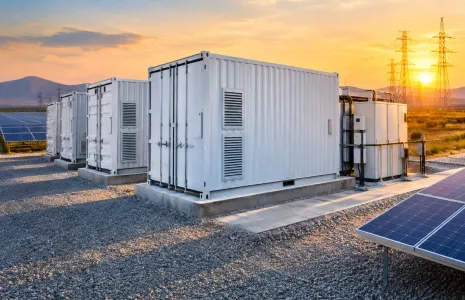
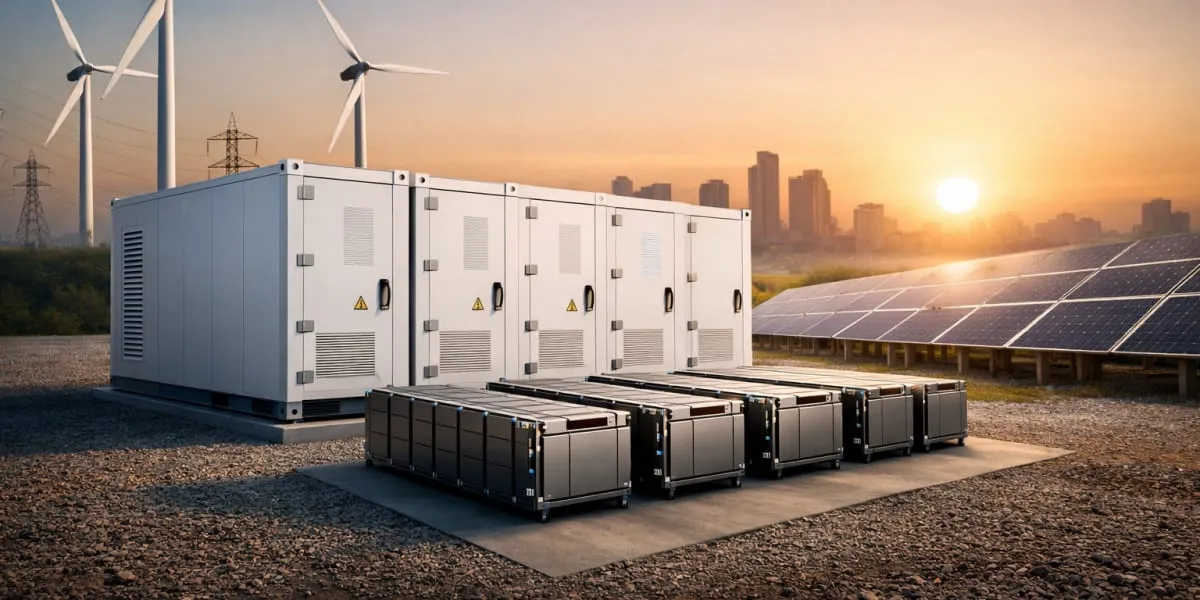
An industry study by the India Energy Storage Alliance finds that the commercial and industrial energy storage market in India is poised to expand from less than one GWh in 2025 to about 2,231 GWh by 2032, driven by rising electricity tariffs and rapid renewable adoption. The report projects this exponential increase as the outcome of combined market, technological and policy factors that make energy storage more attractive for businesses.

The analysis attributes growth to higher electricity tariffs, the need for reliable high-quality power, cost-optimisation imperatives and national decarbonisation targets, and it emphasises demand for energy resilience and optimisation among commercial users. It outlines two scenarios: a Business-as-Usual path in which energy storage systems reach 22-23 GWh by 2032, and a Rapid Adoption trajectory that could lift deployments to 31 GWh.

Scenario assumptions include five to six per cent annual C&I load growth and a 15 per cent compound annual growth rate for renewable energy under Business-as-Usual, while the Rapid Adoption case assumes an 18 per cent renewable CAGR reflecting supportive policy and falling battery costs. These assumptions underpin financial models and site-level decisions for photovoltaic pairing, peak shaving and backup replacement.

The study surveys a wide technology landscape from conventional lead acid and advanced lead acid to lithium-ion chemistries, vanadium redox flow batteries and pumped hydro, though its detailed technology focus is on lithium iron phosphate, nickel manganese cobalt, vanadium redox flow and sodium-ion systems. It notes an industry shift from backup-centric deployments towards application-driven battery energy storage systems tailored for open access renewable projects, diesel generator replacement and rooftop solar integration.

ISEA prepared the report in collaboration with Customised Energy Solutions and plans to present findings at the India Energy Storage Week in Delhi from July eight to ten, where the event will host over 200 exhibitors and more than 10,000 industry delegates from over 30 countries. The study concludes that regulatory clarity, proven business models and advancing storage technologies will enable commercial consumers to adopt data-driven strategies that deliver cost savings and support decarbonisation objectives.

"Join industry leaders at RAHSTA Expo, India's premier platform for roads, highways and traffic infrastructure. Register now to explore innovations, network with experts and shape the future of mobility."

An industry study by the India Energy Storage Alliance finds that the commercial and industrial energy storage market in India is poised to expand from less than one GWh in 2025 to about 2,231 GWh by 2032, driven by rising electricity tariffs and rapid renewable adoption. The report projects this exponential increase as the outcome of combined market, technological and policy factors that make energy storage more attractive for businesses. The analysis attributes growth to higher electricity tariffs, the need for reliable high-quality power, cost-optimisation imperatives and national decarbonisation targets, and it emphasises demand for energy resilience and optimisation among commercial users. It outlines two scenarios: a Business-as-Usual path in which energy storage systems reach 22-23 GWh by 2032, and a Rapid Adoption trajectory that could lift deployments to 31 GWh. Scenario assumptions include five to six per cent annual C&I load growth and a 15 per cent compound annual growth rate for renewable energy under Business-as-Usual, while the Rapid Adoption case assumes an 18 per cent renewable CAGR reflecting supportive policy and falling battery costs. These assumptions underpin financial models and site-level decisions for photovoltaic pairing, peak shaving and backup replacement. The study surveys a wide technology landscape from conventional lead acid and advanced lead acid to lithium-ion chemistries, vanadium redox flow batteries and pumped hydro, though its detailed technology focus is on lithium iron phosphate, nickel manganese cobalt, vanadium redox flow and sodium-ion systems. It notes an industry shift from backup-centric deployments towards application-driven battery energy storage systems tailored for open access renewable projects, diesel generator replacement and rooftop solar integration. ISEA prepared the report in collaboration with Customised Energy Solutions and plans to present findings at the India Energy Storage Week in Delhi from July eight to ten, where the event will host over 200 exhibitors and more than 10,000 industry delegates from over 30 countries. The study concludes that regulatory clarity, proven business models and advancing storage technologies will enable commercial consumers to adopt data-driven strategies that deliver cost savings and support decarbonisation objectives.

Next Story
Infrastructure Energy

Centre Prioritising Energy Security With Coal Gasification

Union minister for Coal and Mines G Kishan Reddy said the Centre is prioritising energy security through a strategic shift to coal gasification and has announced incentives totalling Rs 460 billion (bn) to support the effort. He said more than 35 companies will start coal gasification activities in India within two months and that the government is encouraging firms that bring technology to close the domestic technology gap. The minister described the initiative as aimed at reducing import dependence and developing indigenous capacity. India has the fifth-largest coal reserve in the world, and..

Next Story
Infrastructure Urban

BHEL and Coal India Invest Rs 250 bn in Odisha Gasification

Bharat Heavy Electricals (BHEL) and Coal India (CIL) are jointly investing Rs 250 billion in a coal gasification project in Odisha, with the Prime Minister laying the foundation stone in Jharsuguda. Union Coal and Mines Minister G Kishan Reddy described the initiative as a transformative shift in coal utilisation that will open industrial avenues for the state. The project moves coal beyond conventional power generation to industrial feedstocks. Coal gasification will convert coal into synthesis gas, a versatile feedstock for chemicals, fertilisers and synthetic fuels, and the technology is ex..

Next Story
Infrastructure Energy

BCCL Hands Over Dugdha Coal Washery To JSW Steel

Bharat Coking Coal has handed over the Dugdha Coal Washery to JSW Steel, marking the first coal washery asset monetisation under the Ministry of Coal's asset monetisation programme. The handover took place in the presence of senior officials from Bharat Coking Coal Ltd, JSW Steel and JSW Energy. The washery has a capacity of two million tonnes per annum (mn t per annum), and its transfer is intended to introduce private sector practices into coal beneficiation operations. The monetisation is aimed at modernising coal sector assets, improving operational efficiency and enhancing resource utilis..

Advertisement

Subscribe to Our Newsletter

Get daily newsletters around different themes from Construction world.

STAY CONNECTED

Advertisement

Advertisement

Advertisement