India on Track to Meet 100 GW Wind Target by 2030: Suzlon’s Tanti
POWER & RENEWABLE ENERGY

India on Track to Meet 100 GW Wind Target by 2030: Suzlon’s Tanti

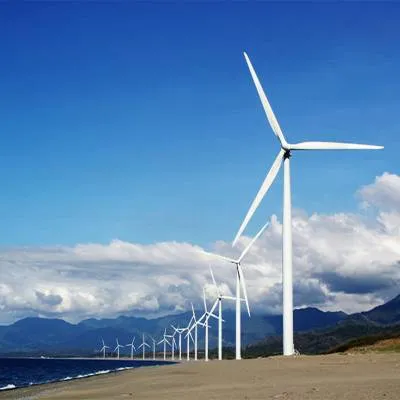
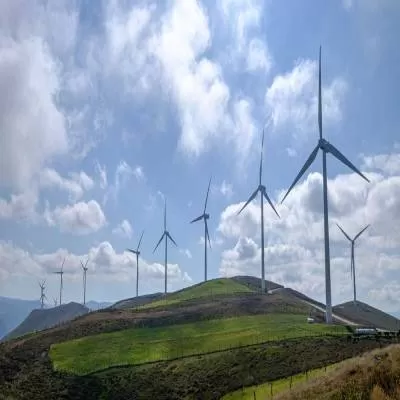
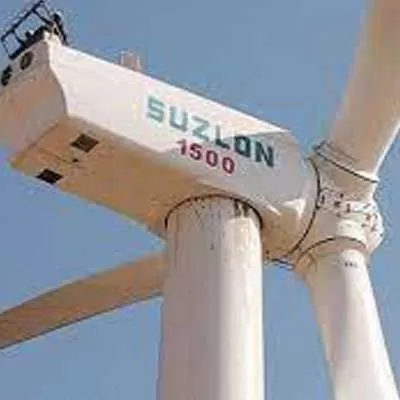
India remains largely on track to achieve its 100 GW wind energy target by 2030, provided the country accelerates power grid expansion and maintains a steady pipeline of project auctions, Suzlon Group co-founder Girish Tanti said at WindEnergy 2026 in Hamburg. The target forms part of India’s broader plan to build 500 GW of renewable energy capacity by 2030.

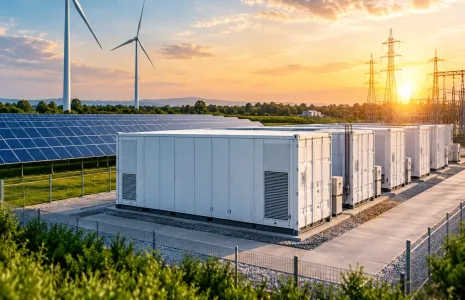
Tanti identified grid readiness as the biggest constraint on renewable energy development. He said transmission infrastructure currently takes about five years to build, a period comparable with the development of thermal or hydropower projects, while solar and wind projects can generally be developed within two years.

He said grid development timelines needed to be reduced to 12 to 18 months to match renewable energy capacity additions. Delays in transmission infrastructure have contributed to curtailment of renewable power, making faster coordination between generation and grid construction essential for the sector’s growth.

Tanti also stressed the need for continuity in wind power auctions beyond 2030. He said the industry already had visibility of about 85 GW of wind capacity scheduled for commissioning before 2030, with further auctions expected to support the longer-term renewable energy objectives linked to the Viksit Bharat vision for 2047.

India has the potential to account for almost 10 per cent of global wind equipment supply, Tanti said. The country exported about 4 GW of wind equipment in 2025, against manufacturing capacity of 24 GW covering all major components, while global wind capacity additions reached 165 GW during the year.

He called for speedy implementation of the National Manufacturing Mission and National Export Mission to use the country’s manufacturing capacity more fully. Wind equipment exports could reach about 16 GW by 2040. In Europe, repowering older wind projects represents a 50 GW opportunity involving EUR 50 bn of investment. India also needs 80 mn circuit kilometres of transmission grid capacity by 2030, requiring an estimated USD 600 bn investment.

India remains largely on track to achieve its 100 GW wind energy target by 2030, provided the country accelerates power grid expansion and maintains a steady pipeline of project auctions, Suzlon Group co-founder Girish Tanti said at WindEnergy 2026 in Hamburg. The target forms part of India’s broader plan to build 500 GW of renewable energy capacity by 2030. Tanti identified grid readiness as the biggest constraint on renewable energy development. He said transmission infrastructure currently takes about five years to build, a period comparable with the development of thermal or hydropower projects, while solar and wind projects can generally be developed within two years. He said grid development timelines needed to be reduced to 12 to 18 months to match renewable energy capacity additions. Delays in transmission infrastructure have contributed to curtailment of renewable power, making faster coordination between generation and grid construction essential for the sector’s growth. Tanti also stressed the need for continuity in wind power auctions beyond 2030. He said the industry already had visibility of about 85 GW of wind capacity scheduled for commissioning before 2030, with further auctions expected to support the longer-term renewable energy objectives linked to the Viksit Bharat vision for 2047. India has the potential to account for almost 10 per cent of global wind equipment supply, Tanti said. The country exported about 4 GW of wind equipment in 2025, against manufacturing capacity of 24 GW covering all major components, while global wind capacity additions reached 165 GW during the year. He called for speedy implementation of the National Manufacturing Mission and National Export Mission to use the country’s manufacturing capacity more fully. Wind equipment exports could reach about 16 GW by 2040. In Europe, repowering older wind projects represents a 50 GW opportunity involving EUR 50 bn of investment. India also needs 80 mn circuit kilometres of transmission grid capacity by 2030, requiring an estimated USD 600 bn investment.

Related Stories

Gold Stories

Next Story
Infrastructure Urban

Embraer to Acquire 51 Per Cent Stake in Mahindra Aerospace Arm

Brazilian aerospace major Embraer will acquire a 51 per cent equity stake in Novavayu Aerospace, a step-down subsidiary of Mahindra and Mahindra, under an Investment Agreement notified by the automobile company in an exchange filing. The transaction will give Embraer control of the aerospace business. Following completion of the acquisition, Novavayu Aerospace will cease to be a wholly owned subsidiary and become an associate of Mahindra Defence Systems, which is a step-down wholly owned subsidiary of Mahindra and Mahindra. The agreement is expected to be completed on or before December 1. Mah..

Next Story
Infrastructure Urban

RBI Opens Special Dollar Window for Three State-Run OMCs

The Reserve Bank of India (RBI) has opened a special facility to meet the entire daily US dollar requirements of three public sector oil marketing companies (OMCs), in a move aimed at easing pressure on the Indian rupee. The facility will take effect on October 12, 2026, and remain available until further notice. Indian Oil Corporation, Hindustan Petroleum Corporation and Bharat Petroleum Corporation are eligible to use the arrangement. Under the facility, the RBI will sell US dollars to the three companies through designated banks, allowing them to meet their oil-import payments without sourc..

Next Story
Building Material

Cement Prices Likely to Rise Rs. 10-15 per Bag from Mid-October

Cement manufacturers in India are likely to raise prices by Rs. 10-15 per bag from mid-October, as they seek to offset persistent increases in power and fuel costs. Emkay Research said its channel checks indicated a high probability of an increase from October 12, supported by the start of the busy construction season and favourable demand-supply conditions. The sector had implemented similar rate adjustments of Rs. 10-15 per bag during the first quarter, but the increases were insufficient to cover higher operating costs. Prices also softened during July and August because of the monsoon, wid..

Advertisement

Subscribe to Our Newsletter

Get daily newsletters around different themes from Construction world.

STAY CONNECTED

Advertisement

SPECIAL OFFER
QR Code