India Solar Push Backfires as Panel Factories Shut Down
POWER & RENEWABLE ENERGY

India Solar Push Backfires as Panel Factories Shut Down

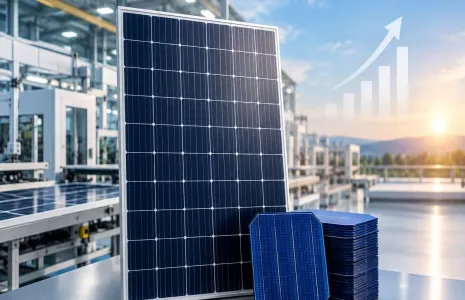
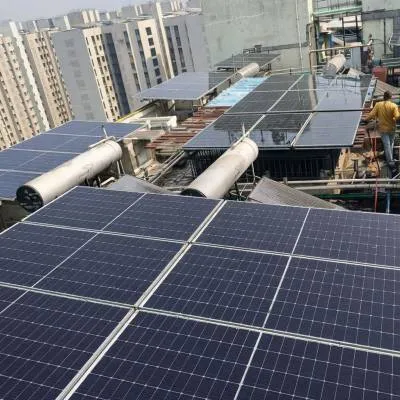
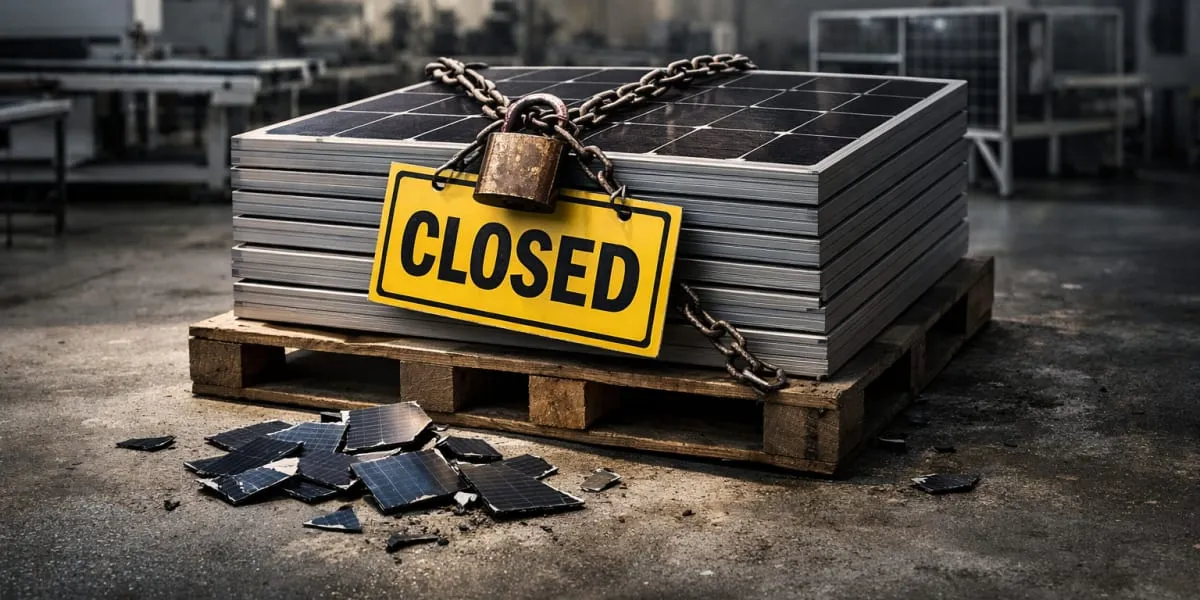
India's campaign to boost domestic solar manufacturing has encountered major disruption after a new rule requiring locally produced cells for panels led to a wave of factory closures. The measure, which came into force on June one, has caused component shortages that have forced many small and medium module makers to halt production, putting investments worth about Rs four bn at risk. Close to one third of small and medium firms have shut since the rule took effect, the segment accounting for 60 per cent of the market.

Industry participants reported widespread cell unavailability over the past three months and warned of sharp declines in module output. One manufacturer indicated that production of solar modules could fall from three point two gigawatt (GW) to one GW as a result of the policy change. The sector had previously relied heavily on imported cells to fill the shortfall, and the sudden restriction has left many supply chains strained.

The legislation mandates that module assemblers use domestically produced cells, but local cell manufacturing capacity remains far short of demand, leaving an annual gap of about two point six GW. Before the rule, imports from China supplied over 90 per cent of the cells used by Indian module makers. While domestic module assembly capacity is substantial at 200 GW, cell manufacturing capacity stands at only 27 GW, creating a structural mismatch that has tightened prices and slowed output.

The government has set a target of 500 GW of non-hydrocarbon generation capacity by 2030, with solar accounting for 29 per cent of the total, and plans aimed to lift solar from 162 GW currently to more than 292 GW by 2030. Analysts warned that the shortfall in cell production and the shutdowns among smaller makers could jeopardise those expansion plans and delay capacity additions. Policymakers face pressure to bridge the cell capacity gap while preserving incentives for local manufacture.

India's campaign to boost domestic solar manufacturing has encountered major disruption after a new rule requiring locally produced cells for panels led to a wave of factory closures. The measure, which came into force on June one, has caused component shortages that have forced many small and medium module makers to halt production, putting investments worth about Rs four bn at risk. Close to one third of small and medium firms have shut since the rule took effect, the segment accounting for 60 per cent of the market. Industry participants reported widespread cell unavailability over the past three months and warned of sharp declines in module output. One manufacturer indicated that production of solar modules could fall from three point two gigawatt (GW) to one GW as a result of the policy change. The sector had previously relied heavily on imported cells to fill the shortfall, and the sudden restriction has left many supply chains strained. The legislation mandates that module assemblers use domestically produced cells, but local cell manufacturing capacity remains far short of demand, leaving an annual gap of about two point six GW. Before the rule, imports from China supplied over 90 per cent of the cells used by Indian module makers. While domestic module assembly capacity is substantial at 200 GW, cell manufacturing capacity stands at only 27 GW, creating a structural mismatch that has tightened prices and slowed output. The government has set a target of 500 GW of non-hydrocarbon generation capacity by 2030, with solar accounting for 29 per cent of the total, and plans aimed to lift solar from 162 GW currently to more than 292 GW by 2030. Analysts warned that the shortfall in cell production and the shutdowns among smaller makers could jeopardise those expansion plans and delay capacity additions. Policymakers face pressure to bridge the cell capacity gap while preserving incentives for local manufacture.

Next Story
Technology

AI-Enabled Workflows Lift Profitability and Productivity

Organisations modernising frontline workflows with artificial intelligence, automation and real-time data are reporting stronger financial performance, higher productivity and improved employee engagement, according to a global study by Zebra Technologies and Oxford Economics.The research covered 1,000 senior leaders across retail, manufacturing, transportation and logistics in the US, Mexico, the UK, Germany, India, Japan, Australia and New Zealand.In transportation and logistics, 54 per cent of companies that improved picking and packing operations reported faster operational performance, wh..

Next Story
Real Estate

India Leads Global AI Readiness but Implementation Lags

Indian companies lead global averages across all eight artificial intelligence readiness indicators tracked by JLL, but only 19 per cent have started making changes to their workplaces, according to the JLL 2026 Future of Work Survey.The study found that 77 per cent of Indian business leaders expect AI to change their office requirements, creating a 58-percentage-point gap between awareness and implementation. The survey covered more than 2,200 CEOs, CFOs and real estate leaders across 21 countries during the first quarter of 2026.Despite concerns over automation, 58 per cent of Indian leaders..

Next Story
Equipment

Three WOLFF Cranes Build Riyadh Cable-Stayed Bridges

Three WOLFF 180 B luffing jib cranes are supporting the construction of two cable-stayed bridges alongside the existing Wadi Laban Bridge in Riyadh, Saudi Arabia. The project is being developed for the Royal Commission for Riyadh City and executed by the ICRC joint venture comprising IC Ictas and Al Rashid Trading & Contracting Company.The cranes are handling lifting operations including formwork, reinforcement, concrete placement, work platforms, surveying equipment and other construction materials. Each crane is fitted with a 40 m jib, reaches a hook height of 157 m and offers a maximum ..

Advertisement

Subscribe to Our Newsletter

Get daily newsletters around different themes from Construction world.

STAY CONNECTED

Advertisement

Advertisement

Advertisement