Ladakh Gets Clean Energy Boost As ONGC Geothermal Project Extended
POWER & RENEWABLE ENERGY

Ladakh Gets Clean Energy Boost As ONGC Geothermal Project Extended

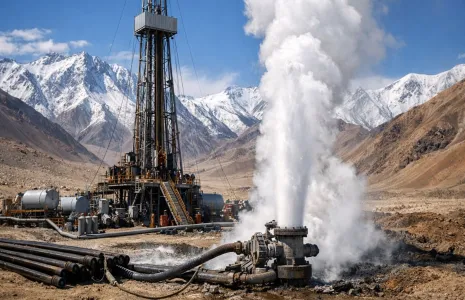
Ladakh will pursue clean energy after Lieutenant Governor Vinai Kumar Saxena approved a five-year extension of the memorandum of understanding with the Oil and Natural Gas Corporation (ONGC) to develop India’s first geothermal power project at Puga valley, at an altitude of over 14,000 feet in eastern Ladakh. The extension renews the agreement first signed on 6 February 2021 between the Ladakh administration, the Ladakh Autonomous Hill Development Council, Leh (LAHDC) and the ONGC energy centre, which expired on 5 February 2026, and follows a request from ONGC citing delays caused by harsh weather and difficult terrain. Officials said the continuation was approved for strategic reasons related to regional energy security and sustainable development.

Under the revised memorandum of understanding, the Oil and Natural Gas Corporation will establish a one Megawatt (MW) pilot geothermal power plant in Puga valley and prepare a detailed project report for large-scale commercial exploitation of geothermal resources in Ladakh. The pilot will inform resource assessment and commercial planning for the detailed project report. ONGC Energy Centre will deepen the existing geothermal well to 1,000 metres during the 2026 working season and subsequently drill another well of similar depth in the next phase. Testing, evaluation and commissioning of the pilot plant are expected during the 2026-27 financial year.

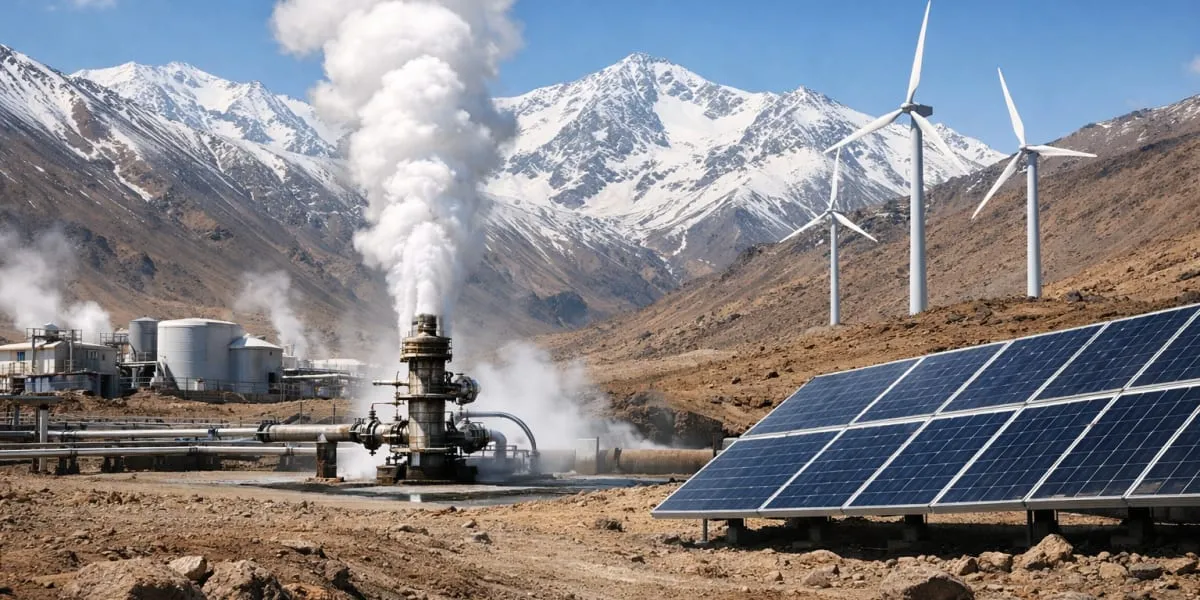
The Puga valley and Chumathang lie within the Himalayan geothermal belt, where tectonic activity generates intense underground heat and prior drilling has tapped high-pressure steam and hot fluids. Officials reported that drilling in 2025 reached a depth of 405 metres and produced temperatures exceeding 200 degrees Celsius at around 400 metres. Geothermometric studies have indicated subsurface temperatures in excess of 240 degrees Celsius, considered suitable for power generation. These measurements will guide testing, evaluation and optimisation of the pilot plant before any commercial phase.

Authorities expect the geothermal initiative, alongside an expanding solar programme, to reduce reliance on conventional fuels, cut carbon emissions and boost the Union Territory’s credentials as a renewable energy hub. Saxena characterised the project as strategically important and said it would strengthen energy security and contribute to a vision of making the region carbon neutral and environmentally sustainable.

Ladakh will pursue clean energy after Lieutenant Governor Vinai Kumar Saxena approved a five-year extension of the memorandum of understanding with the Oil and Natural Gas Corporation (ONGC) to develop India’s first geothermal power project at Puga valley, at an altitude of over 14,000 feet in eastern Ladakh. The extension renews the agreement first signed on 6 February 2021 between the Ladakh administration, the Ladakh Autonomous Hill Development Council, Leh (LAHDC) and the ONGC energy centre, which expired on 5 February 2026, and follows a request from ONGC citing delays caused by harsh weather and difficult terrain. Officials said the continuation was approved for strategic reasons related to regional energy security and sustainable development. Under the revised memorandum of understanding, the Oil and Natural Gas Corporation will establish a one Megawatt (MW) pilot geothermal power plant in Puga valley and prepare a detailed project report for large-scale commercial exploitation of geothermal resources in Ladakh. The pilot will inform resource assessment and commercial planning for the detailed project report. ONGC Energy Centre will deepen the existing geothermal well to 1,000 metres during the 2026 working season and subsequently drill another well of similar depth in the next phase. Testing, evaluation and commissioning of the pilot plant are expected during the 2026-27 financial year. The Puga valley and Chumathang lie within the Himalayan geothermal belt, where tectonic activity generates intense underground heat and prior drilling has tapped high-pressure steam and hot fluids. Officials reported that drilling in 2025 reached a depth of 405 metres and produced temperatures exceeding 200 degrees Celsius at around 400 metres. Geothermometric studies have indicated subsurface temperatures in excess of 240 degrees Celsius, considered suitable for power generation. These measurements will guide testing, evaluation and optimisation of the pilot plant before any commercial phase. Authorities expect the geothermal initiative, alongside an expanding solar programme, to reduce reliance on conventional fuels, cut carbon emissions and boost the Union Territory’s credentials as a renewable energy hub. Saxena characterised the project as strategically important and said it would strengthen energy security and contribute to a vision of making the region carbon neutral and environmentally sustainable.

Next Story
Infrastructure Urban

Puravankara Secures 14.57 Acre Parcel In Mandur Bengaluru

Puravankara has secured a 14.57-acre land parcel in Mandur, Budigere, Bengaluru, with a potential gross development value of Rs 23 billion (Rs 23 bn). Of this, seven point nine two acres will be developed under a joint development agreement, and six point six five acres have been purchased outright. The project is expected to yield one point eight million square feet (1.8 million square feet) of saleable area. The company's developable area in Bengaluru is reported at 25.61 million square feet (25.61 million square feet). The managing director said the acquisition forms part of efforts to add ..

Next Story
Infrastructure Urban

Royal Orchid Reports FY26 Results And Declares 25 Per Cent Dividend

Royal Orchid Hotels Limited announced audited financial results for the quarter and year ended 31 March 2026 and declared a 25 per cent dividend following board approval. The company, one of India’s fastest growing hospitality groups with 120 hotels nationwide, reported resilient performance driven by strategic portfolio expansion, improved operational efficiencies and robust demand across business and leisure markets. The board attributed results to steady revenue expansion and disciplined cost management. On a consolidated basis for FY26 total income rose to Rs 4.0643 billion (bn) from Rs ..

Next Story
Infrastructure Urban

Man Industries Delivers Record Margins And Strong FY26 Results

Man Industries (India) Limited (MAN Industries) reported results for the quarter and fiscal year ended 31 March 2026, delivering highest-ever standalone and consolidated EBITDA and PAT margins as the company optimised product and geographic mix and deepened its global order pipeline. Standalone revenue in the fourth quarter rose 36 per cent year-on-year to Rs 11.57 bn, while consolidated revenue grew 36.2 per cent on a like-for-like basis after adjusting for Rs 3.69 bn of one-time real estate income from Merino Shelters in the prior-year quarter. On a standalone basis FY26 EBITDA margin reache..

Advertisement

Subscribe to Our Newsletter

Get daily newsletters around different themes from Construction world.

STAY CONNECTED

Advertisement

Advertisement

Advertisement

-->