Nepal India Discuss Energy Cooperation and Cross-Border Trade
POWER & RENEWABLE ENERGY

Nepal India Discuss Energy Cooperation and Cross-Border Trade

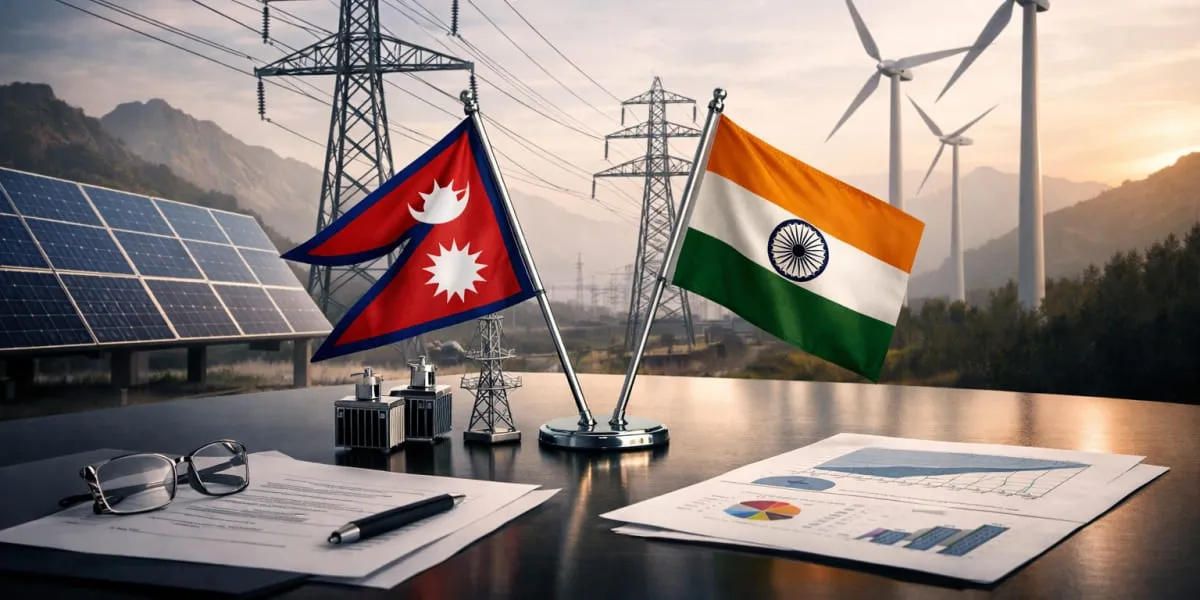
Government officials from Nepal and India met to discuss energy cooperation and cross-border trade, focusing on strengthening bilateral ties. The talks addressed enhancement of electricity trade, grid interconnection and regulatory coordination to support reliable power flows between the two countries. Delegations reviewed ongoing projects and identified priority areas for technical collaboration and investment. The discussions highlighted the mutual interest in advancing renewable energy development and optimising hydropower resources for regional benefit.

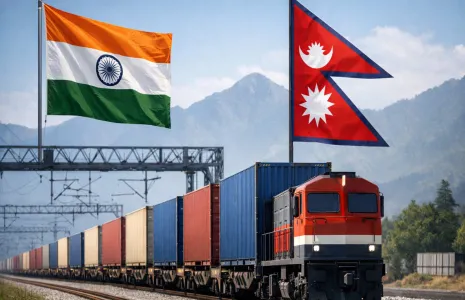
Participants examined measures to simplify cross-border trade procedures and improve customs coordination, with attention to reducing logistical barriers and improving border infrastructure. They assessed mechanisms to facilitate transit of goods and streamline documentation to accelerate trade in agricultural and industrial products. Officials also discussed harmonisation of standards and creation of joint working groups to oversee implementation of agreed measures. Trade facilitation was framed as complementary to energy cooperation and broader economic integration.

The energy agenda covered grid upgrades, transmission interconnection and planning for seasonal variability in power supply. Technical teams outlined pathways for synchronising operations and enhancing system stability, including joint studies and data sharing. Investments in transmission and distribution networks were identified as central to enabling higher volumes of cross-border electricity exchange. The delegations recognised the role of private investment and public financing in advancing priority projects.

Both sides agreed to continue regular consultations and to establish timelines for follow up action, including technical assessments and policy coordination. They committed to monitoring progress through joint committees and to reporting on milestones to their respective authorities. The meetings were presented as reaffirming long standing cooperation and as contributing to regional connectivity and sustainable economic growth. Officials noted that enhanced cooperation supports job creation, promotes investment in border regions, and fosters deeper private sector linkages that can broaden market access and stimulate manufacturing and services chains on both sides of the frontier.

Government officials from Nepal and India met to discuss energy cooperation and cross-border trade, focusing on strengthening bilateral ties. The talks addressed enhancement of electricity trade, grid interconnection and regulatory coordination to support reliable power flows between the two countries. Delegations reviewed ongoing projects and identified priority areas for technical collaboration and investment. The discussions highlighted the mutual interest in advancing renewable energy development and optimising hydropower resources for regional benefit. Participants examined measures to simplify cross-border trade procedures and improve customs coordination, with attention to reducing logistical barriers and improving border infrastructure. They assessed mechanisms to facilitate transit of goods and streamline documentation to accelerate trade in agricultural and industrial products. Officials also discussed harmonisation of standards and creation of joint working groups to oversee implementation of agreed measures. Trade facilitation was framed as complementary to energy cooperation and broader economic integration. The energy agenda covered grid upgrades, transmission interconnection and planning for seasonal variability in power supply. Technical teams outlined pathways for synchronising operations and enhancing system stability, including joint studies and data sharing. Investments in transmission and distribution networks were identified as central to enabling higher volumes of cross-border electricity exchange. The delegations recognised the role of private investment and public financing in advancing priority projects. Both sides agreed to continue regular consultations and to establish timelines for follow up action, including technical assessments and policy coordination. They committed to monitoring progress through joint committees and to reporting on milestones to their respective authorities. The meetings were presented as reaffirming long standing cooperation and as contributing to regional connectivity and sustainable economic growth. Officials noted that enhanced cooperation supports job creation, promotes investment in border regions, and fosters deeper private sector linkages that can broaden market access and stimulate manufacturing and services chains on both sides of the frontier.

Related Stories

Gold Stories

Next Story
Infrastructure Urban

Vedanta Metal Bazaar Expands to Global Markets

Vedanta Aluminium has expanded its digital e-commerce platform, Vedanta Metal Bazaar, to international markets, enabling overseas customers to order and purchase aluminium products online.The platform will now be available to buyers across Asia, Europe, Africa and the Americas, providing a digital gateway for export transactions with 24x7 access.In FY26, Vedanta Metal Bazaar processed transactions worth nearly $4.1 billion, or over Rs 380 billion, and fulfilled more than 23,000 orders. The platform is also used regularly by more than 550 MSMEs in India alongside large OEM customers.The export ..

Next Story
Infrastructure Urban

Ramky Infrastructure Q1 FY27 Revenue Rises 24.3%

Ramky Infrastructure Limited reported a 24.3% year-on-year increase in consolidated revenue from operations to Rs 471.2 crore for Q1 FY27, compared with Rs 3.79 billion in the corresponding quarter of FY26.Standalone revenue from operations rose 27.5% YoY to Rs 4.51 billion from Rs 3.54 billion, while total standalone income increased 35% to Rs 5.32 billion.Consolidated profit before tax stood at Rs 540.9 million during the quarter. The company highlighted a sharp sequential improvement compared with a pre-exceptional loss of Rs 190.1 million in Q4 FY26.Two of the three projects awarded during..

Next Story
Technology

LTTS Launches AgenticIQ AI Platform for Engineering

L&T Technology Services (LTTS) has launched AgenticIQ, an end-to-end agentic AI platform designed for engineering and manufacturing organisations.The platform is aimed at helping enterprises move beyond isolated AI pilots by enabling autonomous, multi-agent workflows across engineering, product development, manufacturing, industrial operations and customer experience.AgenticIQ is built on LTTS’ Engineering Intelligence portfolio and converts existing engineering capabilities into specialised, reusable AI agents. Its planning-first architecture is embedded into engineering and production ..

Advertisement

Subscribe to Our Newsletter

Get daily newsletters around different themes from Construction world.

STAY CONNECTED

Advertisement

Advertisement

Advertisement