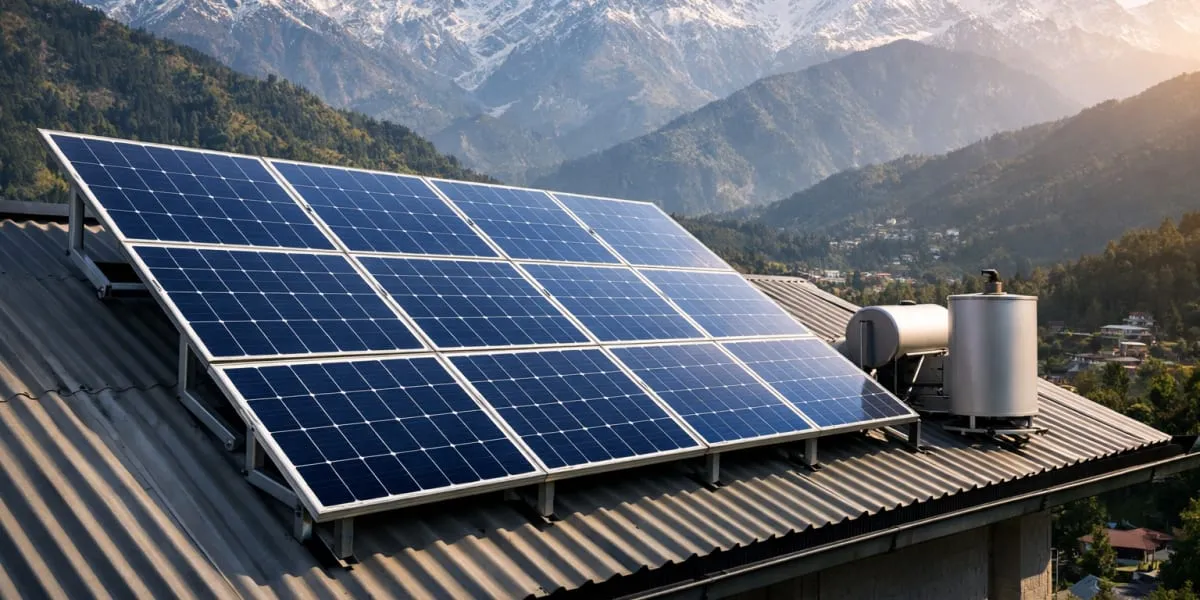
Over 10,000 Rooftop Solar Plants Installed In Himachal
POWER & RENEWABLE ENERGY

Over 10,000 Rooftop Solar Plants Installed In Himachal

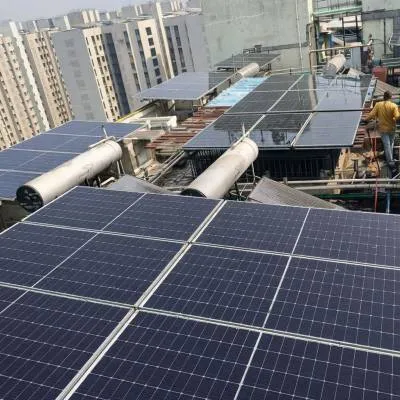
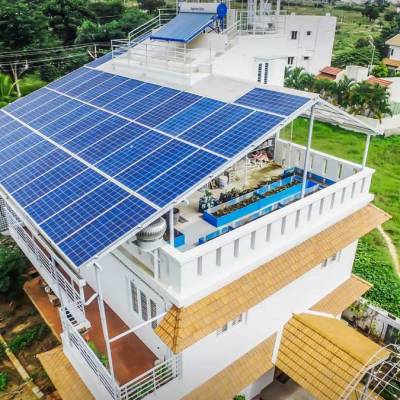
More than 10,000 households in Himachal Pradesh have installed rooftop solar plants under the Pradhan Mantri Surya Ghar Muft Bijli Yojana, according to official data. The Himachal Pradesh State Electricity Board received 15,639 applications under the scheme for rooftop solar installations with a proposed capacity of 60,688.756 kilowatt (kW). The response has come from almost all districts as applications continue to arrive.

To date, 10,108 rooftop solar plants with a combined capacity of 34,686.449 kilowatt have been installed and commissioned, equivalent to 34.686449 Megawatt (MW). The installed capacity is commonly reported as 34 MW in summaries, but detailed figures show the higher value. Installations and commissioning have proceeded district by district.

Kangra district recorded the highest adoption with 2,999 applications and 2,031 installations. Hamirpur followed with 2,615 applications and 1,987 installations. Mandi received 1,899 applications and completed 1,255 installations, while Bilaspur registered 1,676 applications with 1,166 systems set up.

Una saw 1,653 consumers apply and 1,185 solar systems installed. Solan received 1,336 applications and has seen 720 installations. Sirmaur recorded 1,248 applications with 734 installations, while Chamba completed 580 installations from 1,085 applications.

In Shimla district, 730 applications were received, and 276 rooftop solar plants have been installed. Kullu reported 341 applications and 156 installations, the tribal district of Kinnaur received 42 applications and installed 17 solar plants, while Lahaul-Spiti received 15 applications and has commissioned one rooftop solar system. Officials attributed the rise to growing awareness, subsidy support and the financial and environmental benefits of solar energy.

The programme is helping diversify the state's renewable energy portfolio that has traditionally depended on hydropower and is expected to strengthen decentralised electricity generation at household level. The Himachal Pradesh State Electricity Board is handling technical and procedural formalities and facilitating implementation across districts. As applications continue to rise the scheme is emerging as a key driver of the state's clean energy transition.

"Join industry leaders at RAHSTA Expo, India's premier platform for roads, highways and traffic infrastructure. Register now to explore innovations, network with experts and shape the future of mobility."

More than 10,000 households in Himachal Pradesh have installed rooftop solar plants under the Pradhan Mantri Surya Ghar Muft Bijli Yojana, according to official data. The Himachal Pradesh State Electricity Board received 15,639 applications under the scheme for rooftop solar installations with a proposed capacity of 60,688.756 kilowatt (kW). The response has come from almost all districts as applications continue to arrive. To date, 10,108 rooftop solar plants with a combined capacity of 34,686.449 kilowatt have been installed and commissioned, equivalent to 34.686449 Megawatt (MW). The installed capacity is commonly reported as 34 MW in summaries, but detailed figures show the higher value. Installations and commissioning have proceeded district by district. Kangra district recorded the highest adoption with 2,999 applications and 2,031 installations. Hamirpur followed with 2,615 applications and 1,987 installations. Mandi received 1,899 applications and completed 1,255 installations, while Bilaspur registered 1,676 applications with 1,166 systems set up. Una saw 1,653 consumers apply and 1,185 solar systems installed. Solan received 1,336 applications and has seen 720 installations. Sirmaur recorded 1,248 applications with 734 installations, while Chamba completed 580 installations from 1,085 applications. In Shimla district, 730 applications were received, and 276 rooftop solar plants have been installed. Kullu reported 341 applications and 156 installations, the tribal district of Kinnaur received 42 applications and installed 17 solar plants, while Lahaul-Spiti received 15 applications and has commissioned one rooftop solar system. Officials attributed the rise to growing awareness, subsidy support and the financial and environmental benefits of solar energy. The programme is helping diversify the state's renewable energy portfolio that has traditionally depended on hydropower and is expected to strengthen decentralised electricity generation at household level. The Himachal Pradesh State Electricity Board is handling technical and procedural formalities and facilitating implementation across districts. As applications continue to rise the scheme is emerging as a key driver of the state's clean energy transition.

Next Story
Infrastructure Transport

Third Railway Line Between Tatanagar And Adityapur Likely By September

The third railway line between Tatanagar and Adityapur is expected to be commissioned by September as work on the corridor advances, according to railway sources. The project to add a fourth line on the busy route is progressing and has been allocated Rs 50.89 billion (bn) in funding. The allocation underscores the focus on increasing capacity and easing congestion on the corridor. Relevant timetables are being adjusted to integrate the new capacity into regular operations. Construction activity has involved track laying, formation work and signalling upgrades along strategic stretches, with m..

Next Story
Infrastructure Transport

Indian Railways Approves Rs 2.7 bn Kavach Rollout in Odisha

Indian Railways has approved a Rs 2.7 billion (Rs 2.7 bn) plan to install the Kavach train collision avoidance system on 631 route kilometres in the East Coast Railway zone. The Ministry of Railways said the work will form part of a wider Kavach deployment programme that relies on an LTE based communication backbone rather than a standalone installation. The approval marks the latest stage in the steady expansion of the indigenous safety technology across the national network. The decision aims to enhance safety and reliability on corridors serving Odisha and adjoining areas. The project will ..

Next Story
Infrastructure Transport

Indian Railways Accelerates Modernisation Drive

Indian Railways utilised nearly 30 per cent of its capital expenditure budget for FY2026-27 within the first two months of the financial year, spending more than Rs 840 billion (bn) in April and May against a planned outlay of Rs 2.93 trillion (tn) for the year. The Union Budget allocated Rs 2.93 tn in total capex, comprising Rs 2.81 tn through gross budgetary support and Rs 120 bn from extra-budgetary resources. The early absorption indicates robust project execution and an aggressive infrastructure push. A significant share of the spending is being channelled towards track infrastructure, in..

Advertisement

Subscribe to Our Newsletter

Get daily newsletters around different themes from Construction world.

STAY CONNECTED

Advertisement

Advertisement

Advertisement