PM Modi Inaugurates NHPC 300 MW Karnisar Solar Plant
POWER & RENEWABLE ENERGY

PM Modi Inaugurates NHPC 300 MW Karnisar Solar Plant

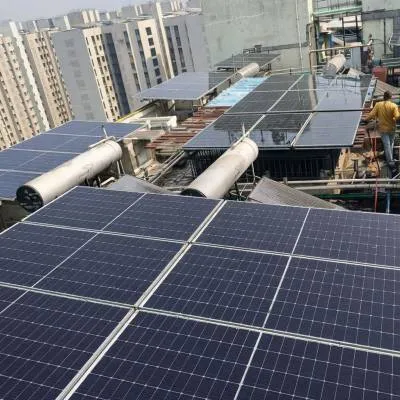
Prime Minister Narendra Modi virtually inaugurated NHPC's 300 Megawatt (MW) Karnisar Solar Power Plant in Bikaner, Rajasthan, a project the company described as a significant addition to India's renewable energy capacity and a reinforcement of the nation's clean energy commitments. The Prime Minister emphasised that renewable energy is the cornerstone of India's energy security and sustainable future and said Rajasthan is developing world-class solar infrastructure that strengthens its role in national clean energy ambitions.

NHPC chairman and managing director Bhupender Gupta expressed gratitude to the central and state governments and to the ministries involved and reaffirmed the company's commitment to contributing to India's renewable energy goals and Aatma Nirbhar Bharat. The project was developed using approximately 0.775 million (mn) domestically manufactured solar PV cells and modules, underscoring the emphasis on indigenous manufacturing and supply chains.

The plant is expected to generate around 750 million (mn) units of clean electricity annually and to offset nearly 0.64 million (mn) tonne (t) of carbon dioxide emissions each year, figures the company said would substantially bolster the nation's renewable energy basket and advance environmental sustainability and climate commitments. The inauguration forms part of wider efforts to expand large-scale solar capacity and reduce reliance on fossil fuels.

Aside from energy output, the project delivered local socio-economic benefits by creating direct and indirect employment for over 40 persons and by generating livelihoods in remote areas of Rajasthan. The event in Balotra was attended by the governor of Rajasthan, the chief minister, union ministers and deputy chief ministers, and the Prime Minister also dedicated and laid the foundation stone for development projects worth around Rs 1.06 trillion (tn). The project aligns with national targets for renewable adoption and grid stability and resilience.

Prime Minister Narendra Modi virtually inaugurated NHPC's 300 Megawatt (MW) Karnisar Solar Power Plant in Bikaner, Rajasthan, a project the company described as a significant addition to India's renewable energy capacity and a reinforcement of the nation's clean energy commitments. The Prime Minister emphasised that renewable energy is the cornerstone of India's energy security and sustainable future and said Rajasthan is developing world-class solar infrastructure that strengthens its role in national clean energy ambitions. NHPC chairman and managing director Bhupender Gupta expressed gratitude to the central and state governments and to the ministries involved and reaffirmed the company's commitment to contributing to India's renewable energy goals and Aatma Nirbhar Bharat. The project was developed using approximately 0.775 million (mn) domestically manufactured solar PV cells and modules, underscoring the emphasis on indigenous manufacturing and supply chains. The plant is expected to generate around 750 million (mn) units of clean electricity annually and to offset nearly 0.64 million (mn) tonne (t) of carbon dioxide emissions each year, figures the company said would substantially bolster the nation's renewable energy basket and advance environmental sustainability and climate commitments. The inauguration forms part of wider efforts to expand large-scale solar capacity and reduce reliance on fossil fuels. Aside from energy output, the project delivered local socio-economic benefits by creating direct and indirect employment for over 40 persons and by generating livelihoods in remote areas of Rajasthan. The event in Balotra was attended by the governor of Rajasthan, the chief minister, union ministers and deputy chief ministers, and the Prime Minister also dedicated and laid the foundation stone for development projects worth around Rs 1.06 trillion (tn). The project aligns with national targets for renewable adoption and grid stability and resilience.

Related Stories

Gold Stories

Next Story
Infrastructure Urban

Domestic Firms Choose Locally Designed Reactors to Cut Delays

Domestic companies in the nuclear sector are choosing locally designed reactors to avoid time consuming approvals and supply chain bottlenecks that can delay project execution. The shift reflects an emphasis on reducing dependence on foreign designs and accelerating construction schedules by aligning design, manufacturing and regulatory processes within national frameworks. Industry participants expect that locally designed systems will allow closer coordination with regulators and vendors, shortening lead times for certification and component delivery. Localisation is projected to stimulate t..

Next Story
Infrastructure Urban

Kadiyam Kavya Seeks Separate Railway Division For Kazipet

Warangal Member of Parliament Kadiyam Kavya has urged the establishment of a separate railway division based at Kazipet and submitted a representation to the South Central Railway (SCR) general manager at the headquarters in Secunderabad. She highlighted Kazipet's role as a major railway hub and argued that the junction has not seen development commensurate with its strategic importance. The representative action aimed to press for administrative reorganisation to address local operational and developmental needs. She noted that creation of an independent Kazipet division has been a long stand..

Next Story
Infrastructure Transport

Indian Railways runs one point three-kilometre double-stack train

Indian Railways ran a one point three-kilometre double-stack long-haul container train carrying 360 containers from Mumbai to Gujarat in a single movement. The service was electrically hauled and was described by the national transporter as an effort to demonstrate long-haul double-stack capability on dedicated corridors. The operation sought to show how a single movement can shift volumes that would otherwise require numerous trucks. Officials indicated the trial covered route segments suited to high axle loads and clearances. Double-stack operations increase the number of containers transpor..

Advertisement

Subscribe to Our Newsletter

Get daily newsletters around different themes from Construction world.

STAY CONNECTED

Advertisement