Rosatom Connects First Kursk NPP-2 Unit to National Grid
POWER & RENEWABLE ENERGY

Rosatom Connects First Kursk NPP-2 Unit to National Grid

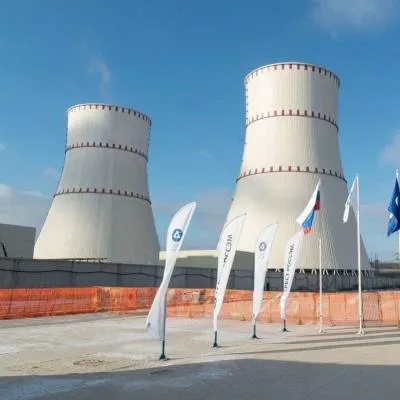
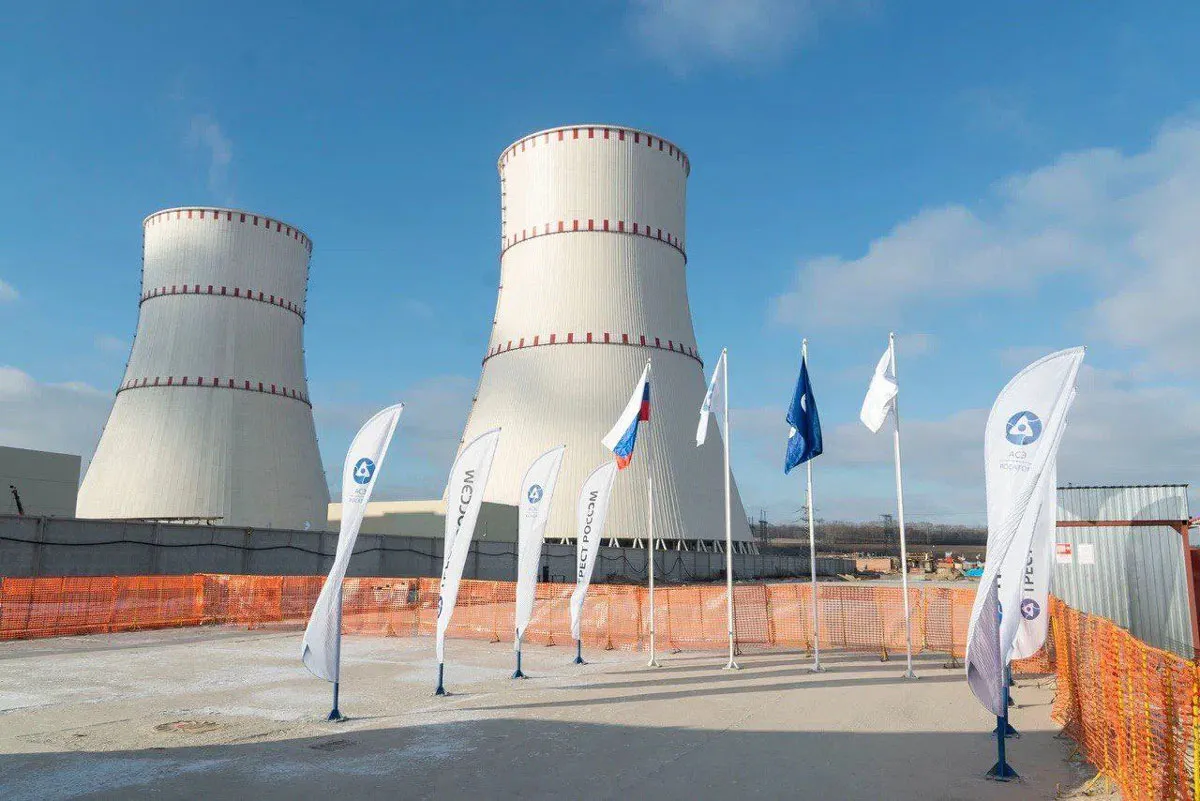
Rosatom has launched the first power unit of the Kursk Nuclear Power Plant-2 (Kursk NPP-2) into Russia’s Unified Energy System, marking a key milestone in the country’s nuclear energy programme. The initial grid connection took place at the end of the year, bringing a new source of low-carbon electricity online for the Kursk region and the broader Central Energy System.

The newly commissioned unit is the first implementation of the VVER-TOI reactor design, which incorporates advanced safety and performance features. With an installed capacity of 1,250 MW, it is the most powerful nuclear power unit in Rosatom’s fleet, exceeding the output of the previous benchmark units at Leningrad NPP-2 by 50 MW.

Commenting on the development, Alexey Likhachev, Director General, Rosatom State Corporation, said:
“The Kursk unit is the first embodiment of the latest VVER TOI nuclear power unit design. This design not only incorporates the latest advances in nuclear energy. It is also the most powerful power unit in Rosatom's fleet: 1250 MW… On December 30, 2024, the general plan for the deployment of power facilities through 2042 was approved, according to which we are to build 38 power units.”

The power start-up was carried out in the presence of senior leadership from Rosatom’s Electric Power and Engineering divisions, along with key contractors. Andrey Petrov, First Deputy Director General for Nuclear Energy, Rosatom State Corporation, said:
“Today's power start-up is the result of the hard work of tens of thousands of people… The new power unit will increase nuclear power generation by more than 50% to meet the needs of the Kursk Region.”

During the power start-up phase, capacity will be gradually increased to 35–40%, followed by a staged ramp-up to full power. Alexander Shutikov, CEO, Rosenergoatom Concern JSC, noted that comprehensive testing is underway to ensure compliance with modern nuclear safety and performance standards.

The commissioning of Unit 1 of Kursk NPP-2 is scheduled for 2026, with similar VVER-TOI projects expected to support long-term energy security and economic development.

Rosatom has launched the first power unit of the Kursk Nuclear Power Plant-2 (Kursk NPP-2) into Russia’s Unified Energy System, marking a key milestone in the country’s nuclear energy programme. The initial grid connection took place at the end of the year, bringing a new source of low-carbon electricity online for the Kursk region and the broader Central Energy System.The newly commissioned unit is the first implementation of the VVER-TOI reactor design, which incorporates advanced safety and performance features. With an installed capacity of 1,250 MW, it is the most powerful nuclear power unit in Rosatom’s fleet, exceeding the output of the previous benchmark units at Leningrad NPP-2 by 50 MW.Commenting on the development, Alexey Likhachev, Director General, Rosatom State Corporation, said:“The Kursk unit is the first embodiment of the latest VVER TOI nuclear power unit design. This design not only incorporates the latest advances in nuclear energy. It is also the most powerful power unit in Rosatom's fleet: 1250 MW… On December 30, 2024, the general plan for the deployment of power facilities through 2042 was approved, according to which we are to build 38 power units.”The power start-up was carried out in the presence of senior leadership from Rosatom’s Electric Power and Engineering divisions, along with key contractors. Andrey Petrov, First Deputy Director General for Nuclear Energy, Rosatom State Corporation, said:“Today's power start-up is the result of the hard work of tens of thousands of people… The new power unit will increase nuclear power generation by more than 50% to meet the needs of the Kursk Region.”During the power start-up phase, capacity will be gradually increased to 35–40%, followed by a staged ramp-up to full power. Alexander Shutikov, CEO, Rosenergoatom Concern JSC, noted that comprehensive testing is underway to ensure compliance with modern nuclear safety and performance standards.The commissioning of Unit 1 of Kursk NPP-2 is scheduled for 2026, with similar VVER-TOI projects expected to support long-term energy security and economic development.

Next Story
Infrastructure Urban

Mount Invests Rs 250 Cr, Adds PUF & PEB Plants, 400+ Jobs

TUMKUR, Karnataka, January 8, 2025 - Mount Roofing & Structures Private Limited, one of India's  fastest-growing manufacturers in PUF and a leading solutions provider across Pre-Engineered Building  (PEB) and Polycarbonate sheets, simultaneously inaugurated its second fully automated continuous  Sandwich Panel manufacturing line and a new PEB manufacturing plant at its integrated campus in  Tumkur." The milestone expansion, part of a total investment of INR 250 crores, marks a significant  advancement in the company's commitment to engineered performance, manu..

Next Story
Infrastructure Urban

Titan Intech Strengthens UltraLED Push With Global LED Veteran

Titan Intech has announced the induction of global LED industry veteran Su Piow Ko to its Board of Directors, marking a strategic step in strengthening its UltraLED Displays roadmap and building globally competitive LED display solutions from India.The appointment aligns with Titan Intech’s ambition to position India as a hub for advanced, high-quality LED display manufacturing. With an increased focus on UltraLED Displays, the company aims to enhance technical governance, raise manufacturing standards and expand its presence across global markets.Su Piow Ko brings over three decades of inte..

Next Story
Infrastructure Urban

Dun & Bradstreet Flags New Growth Engines in India 2026 Outlook

Dun & Bradstreet has released its India 2026: D&B’s Perspective report, projecting a stable macroeconomic environment underpinned by fresh opportunities for productivity-led and inclusive growth. The report outlines how India’s next growth phase will be driven by digitised logistics, trusted data ecosystems, clean energy and rising city vitality.According to the outlook, India’s GDP growth is expected to reach around 6.6 per cent by FY2027, supported by resilient consumer demand and sustained public investment. Manufacturing is seen entering a new phase, moving beyond scale towar..

Advertisement

Subscribe to Our Newsletter

Get daily newsletters around different themes from Construction world.

STAY CONNECTED

Advertisement

Advertisement

Advertisement

Advertisement

Open In App