+
Rosatom Connects First Kursk NPP-2 Unit to National Grid
POWER & RENEWABLE ENERGY

Rosatom Connects First Kursk NPP-2 Unit to National Grid

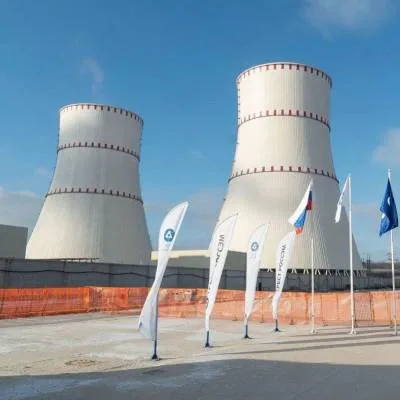
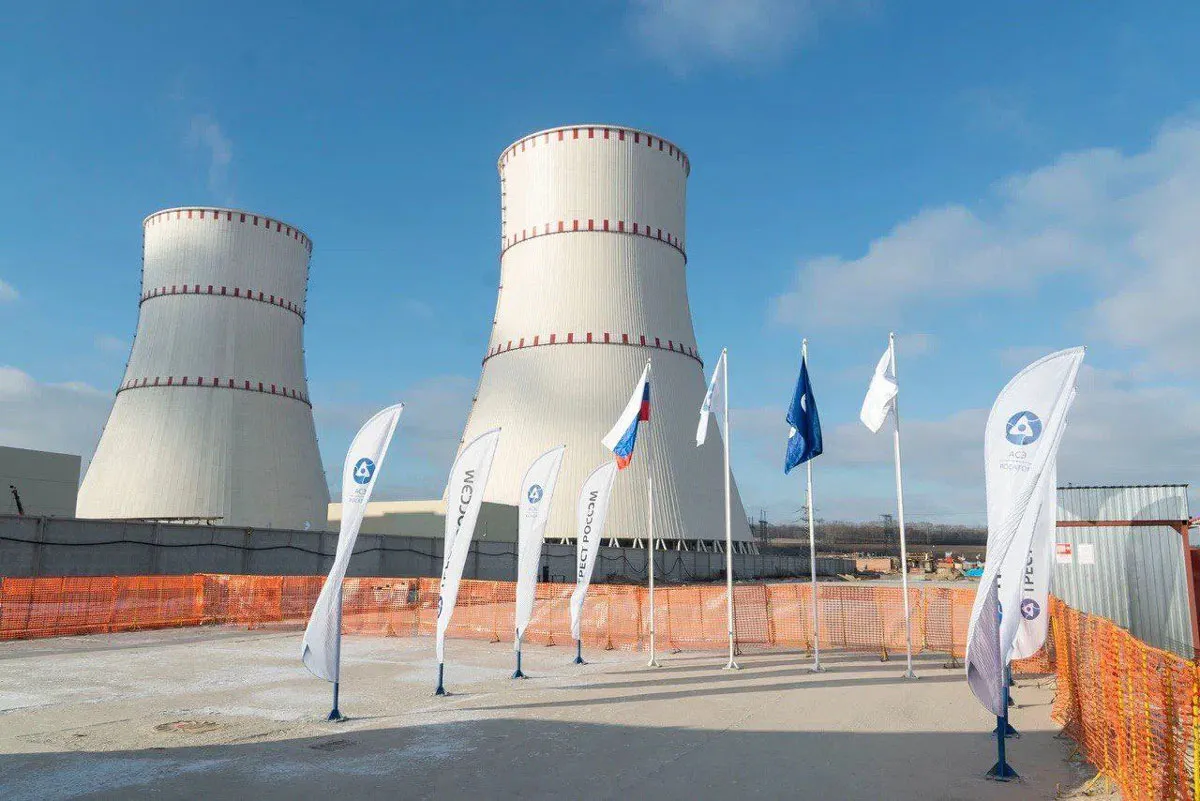
Rosatom has launched the first power unit of the Kursk Nuclear Power Plant-2 (Kursk NPP-2) into Russia’s Unified Energy System, marking a key milestone in the country’s nuclear energy programme. The initial grid connection took place at the end of the year, bringing a new source of low-carbon electricity online for the Kursk region and the broader Central Energy System.

The newly commissioned unit is the first implementation of the VVER-TOI reactor design, which incorporates advanced safety and performance features. With an installed capacity of 1,250 MW, it is the most powerful nuclear power unit in Rosatom’s fleet, exceeding the output of the previous benchmark units at Leningrad NPP-2 by 50 MW.

Commenting on the development, Alexey Likhachev, Director General, Rosatom State Corporation, said:
“The Kursk unit is the first embodiment of the latest VVER TOI nuclear power unit design. This design not only incorporates the latest advances in nuclear energy. It is also the most powerful power unit in Rosatom's fleet: 1250 MW… On December 30, 2024, the general plan for the deployment of power facilities through 2042 was approved, according to which we are to build 38 power units.”

The power start-up was carried out in the presence of senior leadership from Rosatom’s Electric Power and Engineering divisions, along with key contractors. Andrey Petrov, First Deputy Director General for Nuclear Energy, Rosatom State Corporation, said:
“Today's power start-up is the result of the hard work of tens of thousands of people… The new power unit will increase nuclear power generation by more than 50% to meet the needs of the Kursk Region.”

During the power start-up phase, capacity will be gradually increased to 35–40%, followed by a staged ramp-up to full power. Alexander Shutikov, CEO, Rosenergoatom Concern JSC, noted that comprehensive testing is underway to ensure compliance with modern nuclear safety and performance standards.

The commissioning of Unit 1 of Kursk NPP-2 is scheduled for 2026, with similar VVER-TOI projects expected to support long-term energy security and economic development.

Rosatom has launched the first power unit of the Kursk Nuclear Power Plant-2 (Kursk NPP-2) into Russia’s Unified Energy System, marking a key milestone in the country’s nuclear energy programme. The initial grid connection took place at the end of the year, bringing a new source of low-carbon electricity online for the Kursk region and the broader Central Energy System.The newly commissioned unit is the first implementation of the VVER-TOI reactor design, which incorporates advanced safety and performance features. With an installed capacity of 1,250 MW, it is the most powerful nuclear power unit in Rosatom’s fleet, exceeding the output of the previous benchmark units at Leningrad NPP-2 by 50 MW.Commenting on the development, Alexey Likhachev, Director General, Rosatom State Corporation, said:“The Kursk unit is the first embodiment of the latest VVER TOI nuclear power unit design. This design not only incorporates the latest advances in nuclear energy. It is also the most powerful power unit in Rosatom's fleet: 1250 MW… On December 30, 2024, the general plan for the deployment of power facilities through 2042 was approved, according to which we are to build 38 power units.”The power start-up was carried out in the presence of senior leadership from Rosatom’s Electric Power and Engineering divisions, along with key contractors. Andrey Petrov, First Deputy Director General for Nuclear Energy, Rosatom State Corporation, said:“Today's power start-up is the result of the hard work of tens of thousands of people… The new power unit will increase nuclear power generation by more than 50% to meet the needs of the Kursk Region.”During the power start-up phase, capacity will be gradually increased to 35–40%, followed by a staged ramp-up to full power. Alexander Shutikov, CEO, Rosenergoatom Concern JSC, noted that comprehensive testing is underway to ensure compliance with modern nuclear safety and performance standards.The commissioning of Unit 1 of Kursk NPP-2 is scheduled for 2026, with similar VVER-TOI projects expected to support long-term energy security and economic development.

Next Story
Real Estate

Casagrand Launches Keystone In Tiruppur

Casagrand has launched Casagrand Keystone, a gated residential development at Rakkiyapalayam, off Avinashi Road, in Tiruppur. Spread across 2.2 acres, the B+G+5 structure comprises 142 units of 2 and 3 BHK homes, supported by 48 indoor and outdoor amenities. The project is introduced at a starting price of Rs 5,199 per sq. ft. The development allocates 1.3 acres to open space, including a central park of about 24,500 sq. ft. A 6,800 sq. ft. clubhouse includes a multipurpose hall, mini theatre and indoor recreation facilities. Other amenities include a 5,100 sq. ft. swimming pool, poolside par..

Next Story
Real Estate

Premium homes account for half of India’s housing sales in 2025

Knight Frank India, in its latest report on India’s office and residential property market, has highlighted a significant shift in housing demand, with homes priced above Rs 10 million accounting for 50 per cent of total residential sales across the top eight cities in 2025. The findings underscore the growing dominance of premium housing in the country’s real estate landscape.Out of 348,247 residential units sold during the year, approximately 175,091 units were in the Rs 10 million-plus category, marking a 14 per cent year-on-year increase. The data reflects changing buyer preferences, w..

Next Story
Infrastructure Energy

Xbattery launches XB-5K energy storage system for homes, offices

Xbattery, a Hyderabad-based deep-tech company specialising in next-generation energy storage and battery management technologies, has introduced its flagship XB-5K, a scalable 5kWh energy storage system designed for homes and offices in India.The XB-5K is built on the company’s indigenously developed BharatBMS platform, described as India’s first universal high-voltage battery management system architecture aimed at reducing import dependence and improving after-sales service capabilities. The launch comes as India seeks to strengthen domestic manufacturing and address reliance on imported..

Advertisement

Subscribe to Our Newsletter

Get daily newsletters around different themes from Construction world.

STAY CONNECTED

Advertisement

Advertisement

Advertisement

Open In App