+
We engineer the way architecture gets built
Real Estate

We engineer the way architecture gets built

DALBIR SINGH, Founder, HAACE, on the company’s bespoke approach to translating ambitious architecture into precisely engineered and executed structures.What does bespoke construction mean to HAACE, and how is it different from conventional contracting?For HAACE, besp...

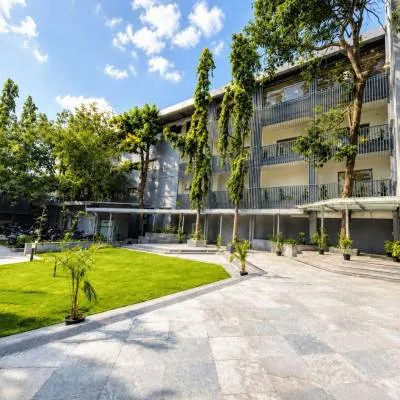
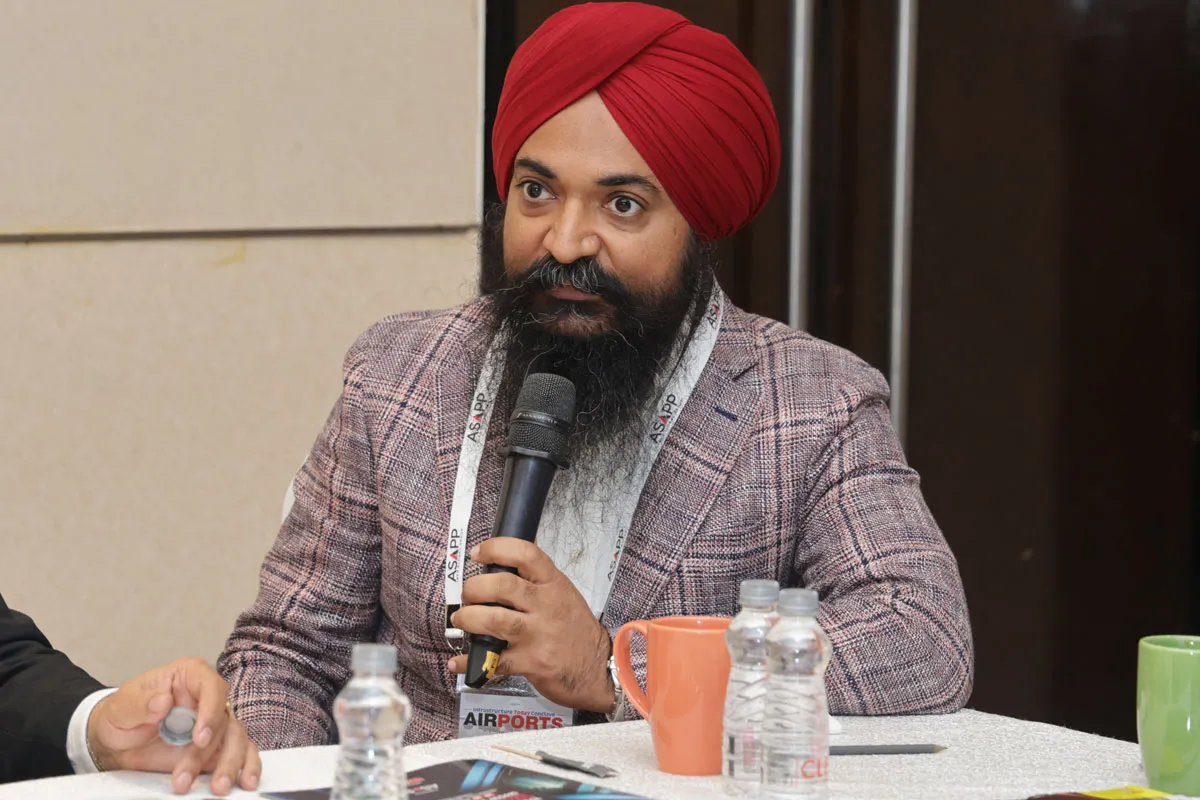
DALBIR SINGH, Founder, HAACE, on the company’s bespoke approach to translating ambitious architecture into precisely engineered and executed structures.What does bespoke construction mean to HAACE, and how is it different from conventional contracting?For HAACE, bespoke construction means choosing the construction methodology around the design rather than forcing the design into a standard template. Every project is studied around its architectural intent, structural requirements and execution challenges. We deliberately take on a limited number of projects because this approach demands attention, engineering and control. The projects we choose must justify that level of involvement through their design ambition, complexity or execution requirements. The difference from conventional contracting lies in how we approach the problem. We consider design, structure, materials, sequencing, shuttering, reinforcement, tolerances and site logistics as one integrated system. Instead of beginning with, ‘How do we build this?’, we ask, ‘What is the design trying to achieve and what is the most precise way to build it?’ That is what bespoke construction means to us.What kind of projects and challenges does HAACE specialise in?We specialise in projects where the architecture demands more engineering, precision and execution control than a standard construction approach can comfortably provide. That could mean unconventional geometry, large spans, exposed concrete, complex structural elements, monolithic construction or exceptionally high expectations of finish and longevity. Our capability lies in selecting and engineering the right construction system for the project – whether cast-in-situ, monolithic construction or precast. These are supported by special engineered shuttering, controlled concrete practices, reinforcement planning and detailed construction sequencing. The objective is not to apply one method everywhere, but to determine the right solution for the design.How did HAACE's engineering-led approach help translate the Kokapet design into a buildable structure?Kokapet was a project where architecture and structure could not be treated as separate conversations. Not one wall of that project is straight, by design. The project involved large spans, significant cantilevers and substantial structural loads. The concrete swimming pool, for instance, is supported by an M80 concrete V column, which is itself supported by another M80 column rising from the basement, with a clear height of approximately 12.5 ft.We had to break the architectural intent down into its structural and construction logic –understanding how loads would travel, how reinforcement could be accommodated, how the concrete would behave, and how each element could be cast and supported.For elements such as the 60-ft-long monolith V-column, the challenge extended beyond structural design. High-strength concrete generates significant formwork pressure, so shuttering, reinforcement, concrete placement, vibration and pour sequencing had to be engineered together.We did not simplify the architecture to make it easier to build. We developed the methodology required to make it buildable.How does HAACE bring together design, structural engineering, planning and site execution?Complex construction often fails when these disciplines work in isolation. At HAACE, design, structural engineering, construction planning, material selection, detailing and site execution are treated as one coordinated process. Before an element reaches site, we need to understand not only what it should look like, but how it will actually be built – the sequence, tolerances, reinforcement, shuttering, concrete behaviour, interfaces and access required. This helps identify problems before they become site issues and gives us tighter control over quality and sequencing. That is particularly important in concrete construction, where mistakes in preparation or execution cannot easily be corrected later. Precision does not come from asking a site team to ‘be careful’. It comes from engineering and controlling the process.As HAACE expands, where do you see the greatest opportunities and what capabilities are you building?The greatest opportunity lies in the gap between ambitious architecture and the industry's ability to execute it with precision. India is producing increasingly sophisticated architecture but execution capabilities have not always evolved at the same pace. That is where HAACE's bespoke approach fits. We are strengthening capabilities across advanced cast-in-situ construction, precast, exposed concrete, digital coordination and factory-based production, while continuing to build on our site execution strengths.The future is not about applying one technology everywhere. It is about having the capability to choose the right system for each project, whether precast, cast-in-situ or a hybrid approach.Our ambition is to be the partner architect that clients turn to when a design is too specific or ambitious to be treated as a standard construction problem – and to have the engineering capability and craftsmanship to make it real.

Related Stories

Gold Stories

Next Story
Infrastructure Energy

Alternative Fuels Overtake Petrol As August Retail Peaks

The Indian automobile industry recorded its best-ever August retail as alternative fuels such as compressed natural gas, hybrid and electric vehicles combined overtook petrol in the passenger vehicle segment for the first time. The shift coincided with oil price rises linked to the war in the Middle East and a cooled public response to higher ethanol content in petrol. Dealers attributed stronger demand to lower running costs and concerns over the E20 petrol transition. Data released by the Federation of Automobile Dealers Associations (FADA) showed total vehicle retail registrations in August..

Next Story
Infrastructure Urban

Singapore Minister Defends SIA Investment In Air India

Singapore government defended Singapore Airlines' investment in Air India after two weeks of public scrutiny over a funding request, saying the flag carrier must expand overseas and that outcomes are for the company and its shareholders to judge. The remarks in parliament followed reports that Air India had sought about US$1.5 billion (US$1.5 bn) of fresh equity from owners Tata Sons and Singapore Airlines. The issue drew attention because Singapore Airlines is majority-owned by Temasek and raised questions about Temasek's role. Officials framed the matter as a commercial decision rather than ..

Next Story
Infrastructure Transport

IndiGo To Begin Guwahati Bangkok Flights

IndiGo will launch non-stop flights between Guwahati and Bangkok from 27 October 2026, marking the carrier's first international operations from the city. A special inaugural service will operate on 27 October, with regular twice a week flights scheduled from 31 October on Wednesdays and Saturdays, subject to regulatory approvals. The new link will provide direct connectivity between Northeast India and Thailand and expand the airline's India–Thailand network. The inaugural Bangkok to Guwahati sector, flight 6E1086, is scheduled to depart Bangkok at 8:50 am and arrive in Guwahati at 10:25 am..

Advertisement

Subscribe to Our Newsletter

Get daily newsletters around different themes from Construction world.

STAY CONNECTED

Advertisement

SPECIAL OFFER
QR Code