We are looking at 20 properties in the next three years
Real Estate

We are looking at 20 properties in the next three years

- Satyen S Jain, CEO, The Pride Hotels

Service with a smile is its credo - and now, the smile shines wider. To strengthen its portfolio through greenfield projects and acquisitions, Pride Hotels plans to invest Rs 600 crore in the next two to three years by optimising its products. Satyen S Jain, CEO, The Pride Hotels, elaborates upon this in conversation with the CW team.

How do you plan to invest the Rs 600 crore?
Initially, the expansion plans will be for our existing hotels. In Nagpur, we have already acquired land where we will add around 75 rooms and a big banquet hall. And, in Pune, an additional floor will be added. Also, we have procured land in South Goa to come up with a 200-room hotel. Finally, we are eyeing Mumbai for an acquisition or fresh project.

Please tell us more about your plans for Mumbai.
Mumbai airport has a full CBD around it. It is an attractive location and we would like to have a hotel in the area like we have in Delhi Aerocity. The company is open to acquisition as well as developing a new project. Also, we have the technical expertise to acquire properties that are not doing well and turn them around. And, as a lot of the demand comes from the corporate sector, we are looking at locations closer to the airport, which appeals to all Corporates.

Any recent acquisitions by the company?
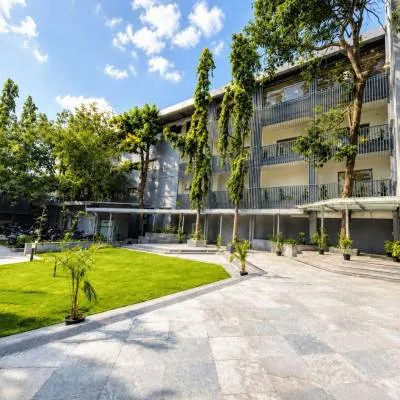
One of our strengths is to be able to penetrate markets in Tier-II cities. We have acquired properties in Nagpur and Chennai and while we indulge in acquisitions, we ensure the price makes sense. This is one main reason why not many transactions take place in the hotel space. For example, recently, in Kolkata, a property was developed in New Town, close to Salt Lake, where all the growth of the city is happening. It was an 80-key property designed as part of a commercial complex and was an apartment hotel. After acquiring it, we redesigned the whole layout and converted it into a 153-room hotel. We bought the ground floor nearby showrooms and converted the space into a big lobby with a coffee shop and banquets. The hotel has been running successfully for the past four years.

Will you announce an initial public offering (IPO)?
The IPO will be announced, but probably after a year, and funds will be used in the expansion process. We have just started our Delhi hotel in Aerocity where our group owns hotels.

We have expanded to 1,122 rooms from 737. We want this project to stabilise first; Delhi has higher-priced products because of which numbers will go up and that will prove beneficial.

How do you ensure your projects are environment-friendly?
We utilise De Super heater and heat pumps in all our hotels instead of hot water generators. Heat pumps provide hot water and as a by-product give cold water too. They are much more energy-efficient. We also use solar panels and LED lights to save energy and have a sewage treatment plant (STP) to treat and reuse water.

What brands do you operate with and how do they contribute to the overall business?
We have three brands: Pride Plaza, which includes luxury five-star hotels in Delhi, Kolkata and Ahmedabad; Pride Hotels and Resorts, which are four-star bulk-up scale products; and Pride Biznotel, which is a three-star product. Currently, Pride Plaza and Pride Hotels contribute equally to the company´s overall business. Biznotel is a new brand and is picking up. But going forward, we expect maximum growth in the Pride Hotels and Biznotel segments as current demand is more for mid segment and lower-mid segment hotels.

You appear to be putting a special emphasis on Tier-II and Tier-III cities...
The scope is increasing in these cities as they have fewer hotels while the number of people travelling there is on the rise. Airports are coming up in these cities too and once travel starts happening, the next thing required is hotels.

Also, after developing in the Delhi Aerocity, Pride group now has presence across major metros and thus the group can support hotels in both Tier-II and Tier-III cities. When we invest funds, we look at where the maximum corporate clients demand is coming and try to cover these cities with our properties.

There is a current trend of roping in international consultants. What is your approach?
We have roped in a Bangkok interior firm PIA along with a Designer Group consultant from India for our Delhi project for the interiors job. Ultimately, it is the Indian firm that will understand the customers´ demands best, and we want to add local flavour to our projects. For instance, in the Delhi hotel, the interiors depict the architecture and culture of Delhi. However, the scale of an international firm, in terms of experience, is higher compared to the national vendor; hence, we draw upon their experience of building hotels in multiple countries.

In the present day, what is the per-key cost of construction involved?
The per-key cost of construction, excluding land, for a luxury property is Rs 65-70 lakh per key; for Pride Hotels, it is Rs 45 lakh per key; and for Biznotel in the range of Rs 25-30 lakh per key. This will include the new property, cost of the room and the entire project. Our construction cost is 15-20 per cent lower than other brands as we strategise on optimisation of assets and try to leverage on our old relationship with vendors to get fair prices.

Has demand for hotel rooms increased from last year?
There has been an increase of 10 per cent in occupancy in our hotels this year, and we are expecting growth at a 10-15 per cent. This is also because demand is increasing and the number of hotels supply is less, is fewer; hence, occupancy will be on a high. We also expect a marginal hike in rates in all hotels.

With a good market scenario and increasing demand, what are your plans four to five years down the line?
At present, we are managing five hotels, and are looking at a total of 20 properties in the next three to four years.

FACT SHEET

Year of Establishment: 1988

Top Management: SP Jain, Chairman & Managing Director; Satyen Jain, CEO; Arun Nayar, Executive Director; Atul Upadyay, Associate Vice-President

Turnover: Rs.500 crore

No of Employees: 2,500

Ongoing projects: Greenfield projects in Goa of 200 rooms and Indore of 100 rooms; and expansion of Nagpur and Pune of 125 rooms Recently completed project(s): Pride Plaza Aerocity, Delhi (November 2015)


"Join industry leaders at RAHSTA Expo, India's premier platform for roads, highways and traffic infrastructure. Register now to explore innovations, network with experts and shape the future of mobility."

- Satyen S Jain, CEO, The Pride Hotels Service with a smile is its credo - and now, the smile shines wider. To strengthen its portfolio through greenfield projects and acquisitions, Pride Hotels plans to invest Rs 600 crore in the next two to three years by optimising its products. Satyen S Jain, CEO, The Pride Hotels, elaborates upon this in conversation with the CW team. How do you plan to invest the Rs 600 crore? Initially, the expansion plans will be for our existing hotels. In Nagpur, we have already acquired land where we will add around 75 rooms and a big banquet hall. And, in Pune, an additional floor will be added. Also, we have procured land in South Goa to come up with a 200-room hotel. Finally, we are eyeing Mumbai for an acquisition or fresh project. Please tell us more about your plans for Mumbai. Mumbai airport has a full CBD around it. It is an attractive location and we would like to have a hotel in the area like we have in Delhi Aerocity. The company is open to acquisition as well as developing a new project. Also, we have the technical expertise to acquire properties that are not doing well and turn them around. And, as a lot of the demand comes from the corporate sector, we are looking at locations closer to the airport, which appeals to all Corporates. Any recent acquisitions by the company? One of our strengths is to be able to penetrate markets in Tier-II cities. We have acquired properties in Nagpur and Chennai and while we indulge in acquisitions, we ensure the price makes sense. This is one main reason why not many transactions take place in the hotel space. For example, recently, in Kolkata, a property was developed in New Town, close to Salt Lake, where all the growth of the city is happening. It was an 80-key property designed as part of a commercial complex and was an apartment hotel. After acquiring it, we redesigned the whole layout and converted it into a 153-room hotel. We bought the ground floor nearby showrooms and converted the space into a big lobby with a coffee shop and banquets. The hotel has been running successfully for the past four years. Will you announce an initial public offering (IPO)? The IPO will be announced, but probably after a year, and funds will be used in the expansion process. We have just started our Delhi hotel in Aerocity where our group owns hotels. We have expanded to 1,122 rooms from 737. We want this project to stabilise first; Delhi has higher-priced products because of which numbers will go up and that will prove beneficial. How do you ensure your projects are environment-friendly? We utilise De Super heater and heat pumps in all our hotels instead of hot water generators. Heat pumps provide hot water and as a by-product give cold water too. They are much more energy-efficient. We also use solar panels and LED lights to save energy and have a sewage treatment plant (STP) to treat and reuse water. What brands do you operate with and how do they contribute to the overall business? We have three brands: Pride Plaza, which includes luxury five-star hotels in Delhi, Kolkata and Ahmedabad; Pride Hotels and Resorts, which are four-star bulk-up scale products; and Pride Biznotel, which is a three-star product. Currently, Pride Plaza and Pride Hotels contribute equally to the company´s overall business. Biznotel is a new brand and is picking up. But going forward, we expect maximum growth in the Pride Hotels and Biznotel segments as current demand is more for mid segment and lower-mid segment hotels. You appear to be putting a special emphasis on Tier-II and Tier-III cities... The scope is increasing in these cities as they have fewer hotels while the number of people travelling there is on the rise. Airports are coming up in these cities too and once travel starts happening, the next thing required is hotels. Also, after developing in the Delhi Aerocity, Pride group now has presence across major metros and thus the group can support hotels in both Tier-II and Tier-III cities. When we invest funds, we look at where the maximum corporate clients demand is coming and try to cover these cities with our properties. There is a current trend of roping in international consultants. What is your approach? We have roped in a Bangkok interior firm PIA along with a Designer Group consultant from India for our Delhi project for the interiors job. Ultimately, it is the Indian firm that will understand the customers´ demands best, and we want to add local flavour to our projects. For instance, in the Delhi hotel, the interiors depict the architecture and culture of Delhi. However, the scale of an international firm, in terms of experience, is higher compared to the national vendor; hence, we draw upon their experience of building hotels in multiple countries. In the present day, what is the per-key cost of construction involved? The per-key cost of construction, excluding land, for a luxury property is Rs 65-70 lakh per key; for Pride Hotels, it is Rs 45 lakh per key; and for Biznotel in the range of Rs 25-30 lakh per key. This will include the new property, cost of the room and the entire project. Our construction cost is 15-20 per cent lower than other brands as we strategise on optimisation of assets and try to leverage on our old relationship with vendors to get fair prices. Has demand for hotel rooms increased from last year? There has been an increase of 10 per cent in occupancy in our hotels this year, and we are expecting growth at a 10-15 per cent. This is also because demand is increasing and the number of hotels supply is less, is fewer; hence, occupancy will be on a high. We also expect a marginal hike in rates in all hotels. With a good market scenario and increasing demand, what are your plans four to five years down the line? At present, we are managing five hotels, and are looking at a total of 20 properties in the next three to four years. FACT SHEET Year of Establishment: 1988 Top Management: SP Jain, Chairman & Managing Director; Satyen Jain, CEO; Arun Nayar, Executive Director; Atul Upadyay, Associate Vice-President Turnover: Rs.500 crore No of Employees: 2,500 Ongoing projects: Greenfield projects in Goa of 200 rooms and Indore of 100 rooms; and expansion of Nagpur and Pune of 125 rooms Recently completed project(s): Pride Plaza Aerocity, Delhi (November 2015)

Next Story
Real Estate

Omaxe to Invest Rs 62 Billion in Hospitality Expansion

Omaxe has announced the launch of a dedicated hospitality business vertical with plans to develop 19 hotels across five states over the next four to five years as part of its strategy to strengthen recurring revenues and expand its integrated development ecosystem.The real estate developer proposes to invest approximately Rs 62 billion, subject to regulatory approvals and market conditions, to develop nearly 5 million sq ft of hospitality assets across high-growth urban centres, pilgrimage destinations and transit corridors.The proposed portfolio will be integrated with Omaxe's existing townsh..

Next Story
Infrastructure Transport

Third Railway Line Between Tatanagar And Adityapur Likely By September

The third railway line between Tatanagar and Adityapur is expected to be commissioned by September as work on the corridor advances, according to railway sources. The project to add a fourth line on the busy route is progressing and has been allocated Rs 50.89 billion (bn) in funding. The allocation underscores the focus on increasing capacity and easing congestion on the corridor. Relevant timetables are being adjusted to integrate the new capacity into regular operations. Construction activity has involved track laying, formation work and signalling upgrades along strategic stretches, with m..

Next Story
Infrastructure Transport

Indian Railways Approves Rs 2.7 bn Kavach Rollout in Odisha

Indian Railways has approved a Rs 2.7 billion (Rs 2.7 bn) plan to install the Kavach train collision avoidance system on 631 route kilometres in the East Coast Railway zone. The Ministry of Railways said the work will form part of a wider Kavach deployment programme that relies on an LTE based communication backbone rather than a standalone installation. The approval marks the latest stage in the steady expansion of the indigenous safety technology across the national network. The decision aims to enhance safety and reliability on corridors serving Odisha and adjoining areas. The project will ..

Advertisement

Subscribe to Our Newsletter

Get daily newsletters around different themes from Construction world.

STAY CONNECTED

Advertisement

Advertisement

Advertisement