+
DRP rejects favouritism claims, cites delay tactics in Dharavi Project
Real Estate

DRP rejects favouritism claims, cites delay tactics in Dharavi Project

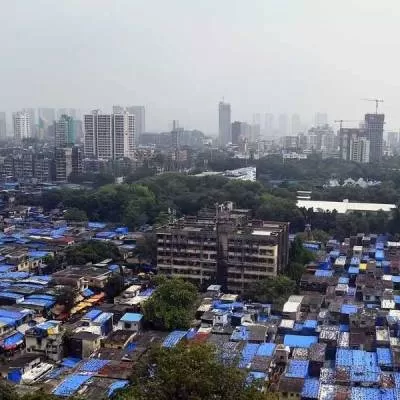
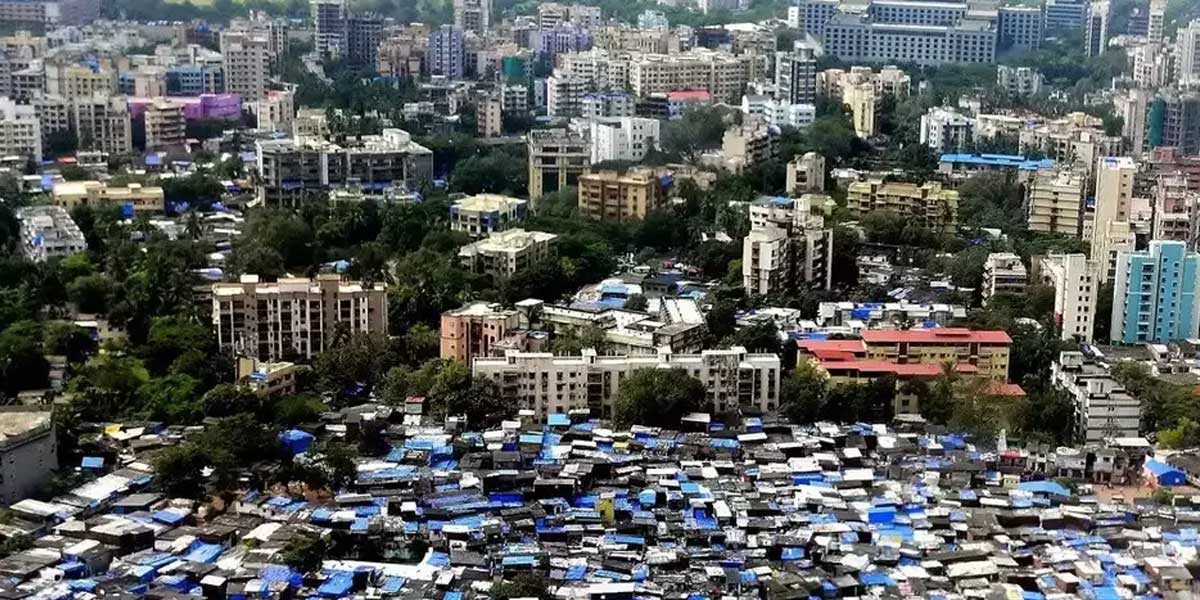
The Dharavi Redevelopment Project (DRP), led by the Adani Group, dismissed allegations of favouritism in the matter. In a statement, DRP, which also counts the Maharashtra government as a stakeholder, stated that "vested interests" were trying to hinder or postpone the project, which holds a revenue potential of Rs 200 billion.

The Opposition Congress claimed that the BJP government was 'benefitting' the Adani Group by easing norms for the Dharavi redevelopment project in Mumbai. Jairam Ramesh, its general secretary, accused the Maharashtra Urban Development Department, which had initially expressed reservations about relaxing the rules, of being "compelled to issue a notification that removes the provision of indexation in Dharavi's real estate Transferable Development Rights (TDR) and makes it mandatory for all Mumbai builders to purchase the first 40 per cent of their TDRs from Adani."

The DRP's statement referred to the efforts to "manufacture a controversy" around TDR generation as "unfortunate." It asserted that the generation of TDR within the Dharavi Notified Area (DNA) had been allowed since the Government Resolution (GR) of 2018, modified in the GR of 2022. The statement reminded that both developments occurred before the issuance of the tender for the redevelopment in 2022.

The Dharavi Redevelopment Project (DRP), led by the Adani Group, dismissed allegations of favouritism in the matter. In a statement, DRP, which also counts the Maharashtra government as a stakeholder, stated that vested interests were trying to hinder or postpone the project, which holds a revenue potential of Rs 200 billion. The Opposition Congress claimed that the BJP government was 'benefitting' the Adani Group by easing norms for the Dharavi redevelopment project in Mumbai. Jairam Ramesh, its general secretary, accused the Maharashtra Urban Development Department, which had initially expressed reservations about relaxing the rules, of being compelled to issue a notification that removes the provision of indexation in Dharavi's real estate Transferable Development Rights (TDR) and makes it mandatory for all Mumbai builders to purchase the first 40 per cent of their TDRs from Adani. The DRP's statement referred to the efforts to manufacture a controversy around TDR generation as unfortunate. It asserted that the generation of TDR within the Dharavi Notified Area (DNA) had been allowed since the Government Resolution (GR) of 2018, modified in the GR of 2022. The statement reminded that both developments occurred before the issuance of the tender for the redevelopment in 2022.

Related Stories

Gold Stories

Next Story
Infrastructure Urban

Infrastructure Opportunity Outlook by IMPACCT.Info

India’s infrastructure pipeline is witnessing dynamic activity across stages — from immediate bidding to future planning. IMPACCT segments these into three categories: Immediate, 3–6 Month, and Future Opportunities, enabling businesses to identify, prepare, and participate in high-value tenders and projects across sectors.To read full article Click Here ..

Next Story
Real Estate

Glass, Reframed!

Glass façades, quintessential aesthetic building envelopes globally, have been widely adopted in India as well. But when the focus is high-performance building systems that deliver energy efficiency, comfort and architectural identity, glass isn’t the only preference. Combination solutions, involving glass and some other material, improve façade outcomes. Some combinations come at comparable prices, some at a higher price. Here is a selection of performance-oriented solutions...To read the full story Click Here ..

Next Story
Infrastructure Urban

Beyond Building Faster

India’s cities are expanding at an unprecedented pace, bringing new infrastructure and development opportunities while also intensifying challenges around mobility, public spaces, liveability and supporting infrastructure. The question, therefore, is not simply whether India can build faster, but whether it can build cities that work better.At a CW webinar, Are We Designing Better Cities – or Just Building Faster?, moderator Ar. Samir Shaikh, Founding Principal, AR&UD Studio, brought together perspectives from design, development, master planning and technology...To read the full artic..

Advertisement

Subscribe to Our Newsletter

Get daily newsletters around different themes from Construction world.

STAY CONNECTED

Advertisement

SPECIAL OFFER
QR Code