India ups rank from 52nd to 27th for construction permits: World Bank
Real Estate

India ups rank from 52nd to 27th for construction permits: World Bank

India is among the top 10 economies where business climates improved the most, as per the World Bank’s Doing Business 2020 report. The country saw its ranking in the World Bank’s ‘Ease of Doing Business’ index jump to 63 for 2018-19 from 77 in the previous year. And, this is the third time India featured on this list. In fact, among South Asian countries, India continues to be the region’s top ranked economy.

The 10 areas measured in the report are: Starting a business, dealing with construction permits, getting electricity, registering property, getting credit, protecting minority investors, paying taxes, trading across borders, enforcing contracts, and resolving insolvency. An additional area of employing workers is also measured but is not included in the rankings.


Here’s a glimpse of where India stands under the above mentioned parameters:

Parameter

2020 Rank

2019 Rank

Starting a business

136

137

Dealing with construction permits

27

52

Getting electricity

22

24

Registering property

154

166

Getting Credit

25

22

Protecting Minority Investors

13

7

Paying Taxes

115

121

Trading across Borders

68

80

Enforcing Contracts

163

163

Resolving Insolvency

52

108

Overall

63

77

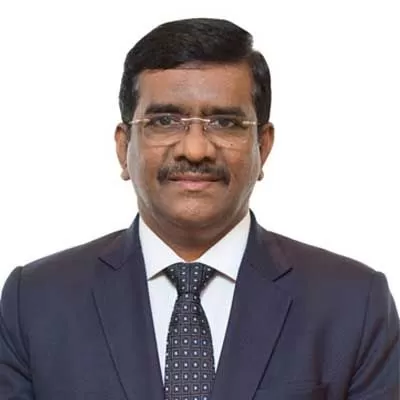
Commenting on the India’s ranking, Sangeeta Prasad, Managing Director & CEO, Mahindra Lifespace Developers, said, “India’s advancement in the World Bank's Ease of Doing Business rankings for the third year in a row reflects the government’s efforts and commitment towards long-lasting economic reform. We expect the jump in rankings will attract investments in the near future.”

Added Rakesh Reddy, Director, Aparna Constructions & Estates, “India has enacted many policy interventions over the past few years, especially in real estate, which undoubtedly has a far-reaching impact on India’s overall economic performance. These transformative reforms have resulted in India improving 14 places to rank 63rd in the World Bank Ease of Doing Business ranking. The Real Estate Regulatory Act (RERA) has revived consumer confidence and laid the foundation for massive growth. RERA has the potential to be the most significant among these reforms. The reduction in GST on under-construction properties and affordable housing has also had positive implications for the sector.”

India is among the top 10 economies where business climates improved the most, as per the World Bank’s Doing Business 2020 report. The country saw its ranking in the World Bank’s ‘Ease of Doing Business’ index jump to 63 for 2018-19 from 77 in the previous year. And, this is the third time India featured on this list. In fact, among South Asian countries, India continues to be the region’s top ranked economy. The 10 areas measured in the report are: Starting a business, dealing with construction permits, getting electricity, registering property, getting credit, protecting minority investors, paying taxes, trading across borders, enforcing contracts, and resolving insolvency. An additional area of employing workers is also measured but is not included in the rankings. Here’s a glimpse of where India stands under the above mentioned parameters: Parameter 2020 Rank 2019 Rank Starting a business 136 137 Dealing with construction permits 27 52 Getting electricity 22 24 Registering property 154 166 Getting Credit 25 22 Protecting Minority Investors 13 7 Paying Taxes 115 121 Trading across Borders 68 80 Enforcing Contracts 163 163 Resolving Insolvency 52 108 Overall 63 77 Commenting on the India’s ranking, Sangeeta Prasad, Managing Director & CEO, Mahindra Lifespace Developers, said, “India’s advancement in the World Bank's Ease of Doing Business rankings for the third year in a row reflects the government’s efforts and commitment towards long-lasting economic reform. We expect the jump in rankings will attract investments in the near future.” Added Rakesh Reddy, Director, Aparna Constructions & Estates, “India has enacted many policy interventions over the past few years, especially in real estate, which undoubtedly has a far-reaching impact on India’s overall economic performance. These transformative reforms have resulted in India improving 14 places to rank 63rd in the World Bank Ease of Doing Business ranking. The Real Estate Regulatory Act (RERA) has revived consumer confidence and laid the foundation for massive growth. RERA has the potential to be the most significant among these reforms. The reduction in GST on under-construction properties and affordable housing has also had positive implications for the sector.”

Next Story
Infrastructure Urban

ISRO’s IMAT Success Boosts Readiness for Maiden Gaganyaan Mission

Union Minister of State for Science and Technology Dr Jitendra Singh informed Parliament that ISRO has achieved a key milestone in its preparations for India’s first human space mission with the successful completion of the Integrated Main Parachute Airdrop Test (IMAT). He said in the Lok Sabha that the test forms a central part of the qualification campaign for the Crew Module’s parachute-based deceleration system, one of the most vital elements in human-rating the mission.According to Dr. Jitendra Singh, the IMAT recreated one of the most demanding descent conditions by intentionally del..

Next Story
Infrastructure Urban

Gyanesh Kumar Takes Charge as Chair of International IDEA Council

Chief Election Commissioner of India Gyanesh Kumar has assumed the Chairship of the Council of Member States of the International Institute for Democracy and Electoral Assistance for 2026. The ceremony in Stockholm was also attended by India’s Ambassador to Sweden, Anurag Bhushan. India, a founding member of International IDEA, has long contributed to the organisation’s governance and global democratic dialogue, and the new Chairship signals broad recognition of the Election Commission of India as a trusted and innovative election management institution.During his visit, Kumar held discuss..

Next Story
Infrastructure Energy

Coal Mines Boost Local Growth and Support India’s Energy Self-reliance

The Magadh and Amrapali coal mines in Jharkhand are playing a pivotal role in strengthening India’s energy security, contributing nearly half of Central Coalfields Limited’s total coal production in 2024–25. Both mines support the broader goal of ensuring steady coal availability for the power sector under the vision of Aatmanirbhar Bharat. Magadh has estimated mineable reserves of 854.91 million tonnes, while Amrapali holds 456.34 million tonne. For FY 2025–26, the two are expected to generate net sales revenues of Rs 28.12 billion and Rs 23.67 billion respectively. Local development ..

Advertisement

Subscribe to Our Newsletter

Get daily newsletters around different themes from Construction world.

STAY CONNECTED

Advertisement

Advertisement

Advertisement

Advertisement

Open In App