Innovation, Efficiency to Drive India’s Next Phase of Manufacturing
ECONOMY & POLICY

Innovation, Efficiency to Drive India’s Next Phase of Manufacturing

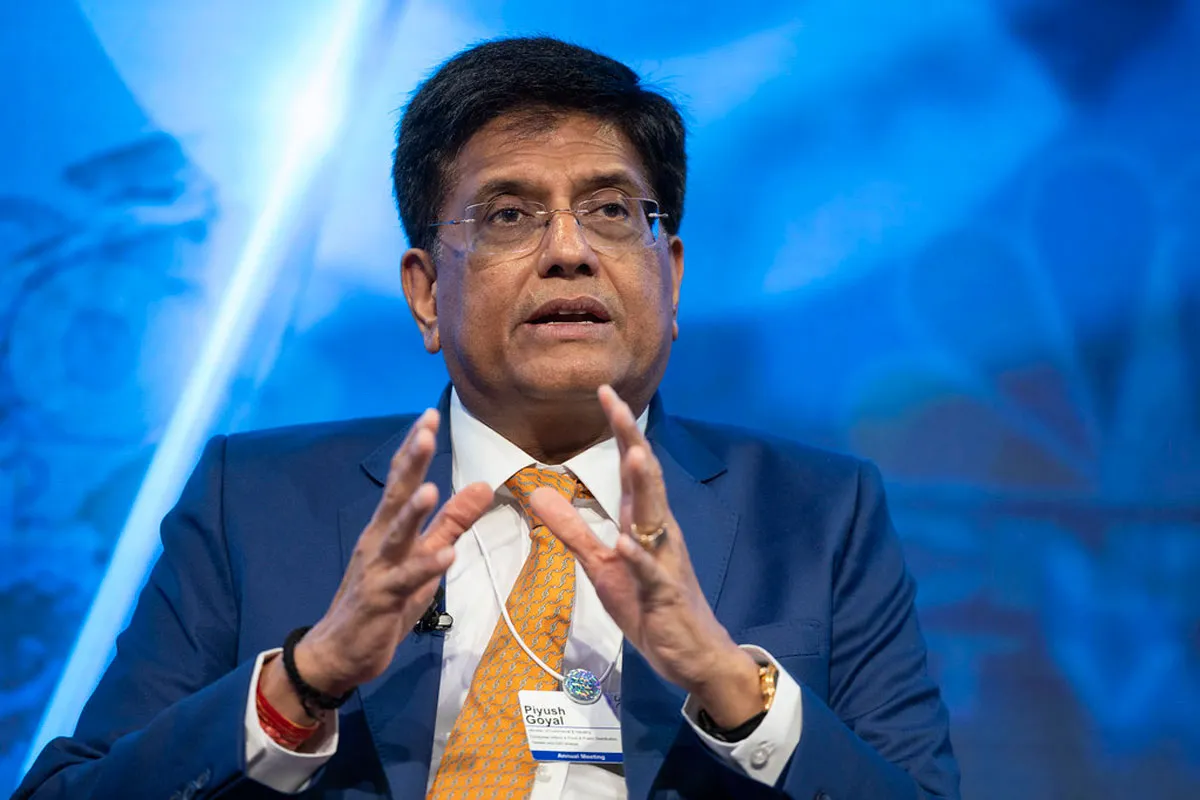
Union Commerce and Industry Minister Piyush Goyal underscored the central role of innovation, quality, design, sustainability and efficiency in enhancing India’s manufacturing competitiveness while speaking at the IndiaEdge event organised by the Confederation of Indian Industry in New Delhi. He said the Government, led by Prime Minister Narendra Modi, is committed to accelerating economic progress and highlighted the momentum recently seen across agriculture, services and manufacturing. India’s manufacturing landscape, he noted, has broadened into high-growth sectors such as electronics, white goods, chemicals and petrochemicals.

Goyal said industry must stay agile amid global disruptions that have highlighted the need for resilient and diversified supply chains. He cautioned against excessive reliance on specific geographies and called for strengthened domestic capacity in strategically important sectors.

He emphasised that collaboration across industries is essential to expand manufacturing output and observed that faster growth in manufacturing will have a multiplier effect on the services sector. As India deepens its global market presence, he said, it must also uphold healthy competition within its domestic economy.

Pointing to rapid development in states like Uttar Pradesh and Odisha, Goyal said rising opportunities are contributing to reduced migration. He urged industry leaders to share recommendations on simplifying processes, strengthening regulatory systems and enhancing the business environment. The Minister noted that the Government is working to streamline compliance, remove obsolete regulations and modernise legal structures, including through the four Labour Codes, for which 23 States have already framed corresponding rules. These reforms, he said, will promote formalisation, ensure minimum wages and reinforce workplace safety and social security.

Goyal also stressed the importance of timely payments to MSMEs to support their cash flow and productivity. He said India’s longstanding focus on Swadeshi and self-reliance continues to remain relevant and added that the combined efforts of industry and Government will be key to advancing Atma Nirbhar Bharat and achieving the vision of Viksit Bharat 2047.
News source: PIB

Union Commerce and Industry Minister Piyush Goyal underscored the central role of innovation, quality, design, sustainability and efficiency in enhancing India’s manufacturing competitiveness while speaking at the IndiaEdge event organised by the Confederation of Indian Industry in New Delhi. He said the Government, led by Prime Minister Narendra Modi, is committed to accelerating economic progress and highlighted the momentum recently seen across agriculture, services and manufacturing. India’s manufacturing landscape, he noted, has broadened into high-growth sectors such as electronics, white goods, chemicals and petrochemicals.Goyal said industry must stay agile amid global disruptions that have highlighted the need for resilient and diversified supply chains. He cautioned against excessive reliance on specific geographies and called for strengthened domestic capacity in strategically important sectors.He emphasised that collaboration across industries is essential to expand manufacturing output and observed that faster growth in manufacturing will have a multiplier effect on the services sector. As India deepens its global market presence, he said, it must also uphold healthy competition within its domestic economy.Pointing to rapid development in states like Uttar Pradesh and Odisha, Goyal said rising opportunities are contributing to reduced migration. He urged industry leaders to share recommendations on simplifying processes, strengthening regulatory systems and enhancing the business environment. The Minister noted that the Government is working to streamline compliance, remove obsolete regulations and modernise legal structures, including through the four Labour Codes, for which 23 States have already framed corresponding rules. These reforms, he said, will promote formalisation, ensure minimum wages and reinforce workplace safety and social security.Goyal also stressed the importance of timely payments to MSMEs to support their cash flow and productivity. He said India’s longstanding focus on Swadeshi and self-reliance continues to remain relevant and added that the combined efforts of industry and Government will be key to advancing Atma Nirbhar Bharat and achieving the vision of Viksit Bharat 2047.News source: PIB

Next Story
Infrastructure Urban

Centre Clears Power Distribution Upgrade for Uttar Pradesh

The Central Government has approved power distribution projects worth Rs 407.39 billion for Uttar Pradesh under the Revamped Distribution Sector Scheme (RDSS). The investment will be used to modernise the state's electricity distribution infrastructure and strengthen network capacity across urban and rural areas. The package targets one of the country's largest distribution networks as the state experiences rapid urbanisation and rising electricity consumption. Planned interventions include the strengthening of distribution lines, modernisation of substations, replacement of ageing electrical ..

Next Story
Infrastructure Energy

India Data Centres To Consume 191 TWh By 2040 Driving Renewables

A Wood Mackenzie report says India's operational data centre capacity is projected to increase more than fivefold to 12 gigawatt (GW) by 2030 from 2.2 GW in 2025 as artificial intelligence (AI) and cloud computing drive demand. It projects electricity consumption to rise from 10 terawatt-hour (TWh) in 2025 to 191 TWh by 2040. The study forecasts a compound annual growth rate of around 40 per cent and notes AI-dedicated capacity will surge nearly 24-fold from 275 megawatt (MW) in 2025 to 6,546 MW by 2030. The report places India's digital economy at Rs 32 trillion (tn) in 2025 and says it contr..

Next Story
Infrastructure Transport

Hydrogen Train Completes 1,200 Kilometres Of Trials

India's first hydrogen train was flagged off between Jind and Sonipat on July 17 and has travelled over 1,200 kilometres in trials, saving diesel consumption of more than 3,200 litres, a Railway Ministry press release said. The deployment marks the introduction of a zero-emission fuel cell train into route testing and represents a milestone in domestic rail innovation. The train generates electricity onboard through a chemical reaction between hydrogen and oxygen, producing electricity to propel the vehicle while emitting only water vapour as a by-product. There is no smoke and no tailpipe car..

Advertisement

Subscribe to Our Newsletter

Get daily newsletters around different themes from Construction world.

STAY CONNECTED

Advertisement

Advertisement

Advertisement