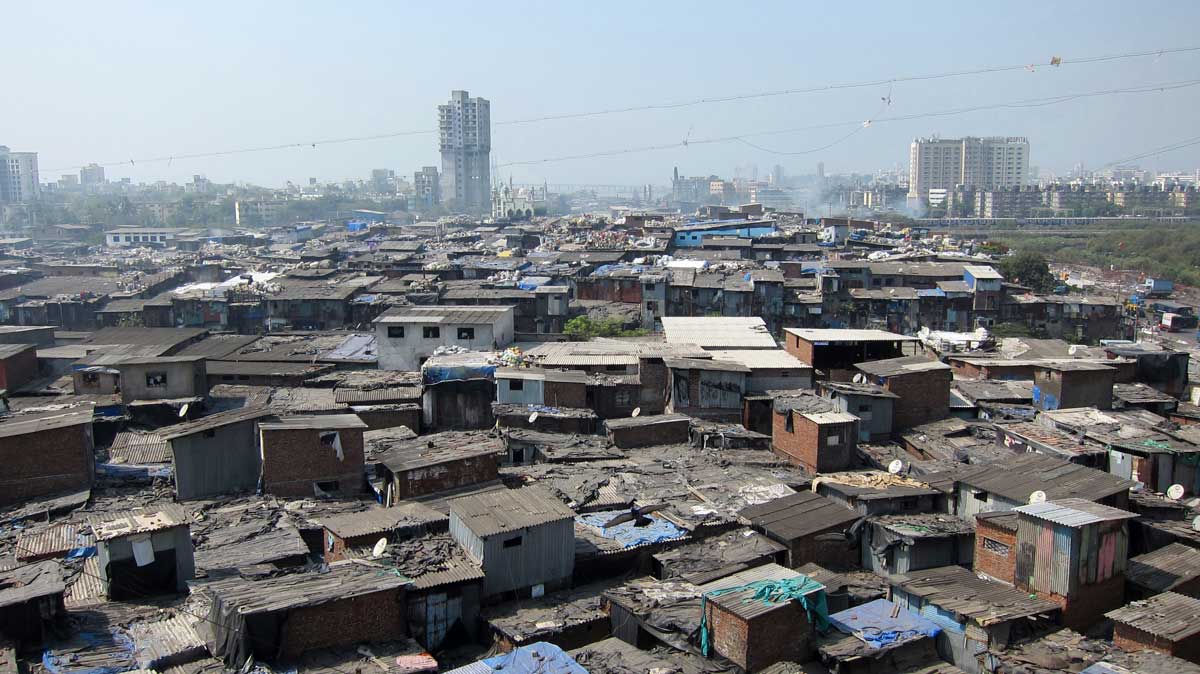
Maharashtra govt asks SRA to give Rs 300 bn for Dharavi redevelopment
Real Estate

Maharashtra govt asks SRA to give Rs 300 bn for Dharavi redevelopment

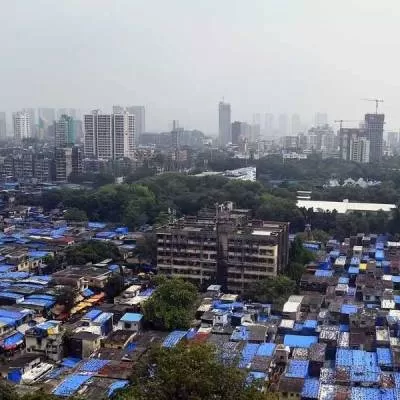
The Maharashtra government has directed the Slum Rehabilitation Authority (SRA) to provide 3 billion rupees to the Dharavi Redevelopment Project Authority (DRPA). This money will be used to pay the Indian Railways for 45 acres of land that will be amalgamated with the slum for the redevelopment project. The other 100 crore rupees will be used as DRPA's equity share in the Special Purpose Vehicle (SPV) that will be set up to implement the project.

The SRA has been asked to provide the funds even though the developer, Adani Realty, has not yet been formally awarded the contract. The cabinet approved Adani's appointment as lead developer in December 2022, but the formal appointment has been delayed due to concerns about Adani's finances.

The government reached an agreement with the Railway Land Development Authority (RLDA) in 2019 to lease 45 acres of railway land for 99 years at a cost of 38 billion rupees. The government has already paid 8 billion rupees of the 10 billion rupees for the land. A definitive agreement was signed in October 2022. As per the agreement, the 2 billion rupees were to be paid by April 17, 2023.

A survey of the land was taken up in December 2022 by revenue officials along with railway and DRPA officials. Along with the 10 billion rupees, DRPA will redevelop the railway quarters and hand them over to the railways; besides it will also be given a share of the profits in the redevelopment project.

The GR states that the SPV to be formed for the implementation of the project will pay 5 billion rupees to the RLDA. This money to the SPV is to be paid by the lead developer within 90 days of the contract being awarded. "Since the letter of award has not yet been issued, the money needs to be arranged from the SRA. As an equity holder the DRPA needs to pay 1 billion rupees towards the SPV. SRA will be reimbursed after the SPV is formed," states the GR.

Adani Realty recently sought to know the quantum of Transfer of Development Rights (TDR) that would be generated from the project. Under DCPR 2034, it is mandatory for redevelopment projects utilising TDR to first use 50 per cent TDR generated from the Dharavi project. Sources said the quantum of TDR generated would depend on the number of persons eligible for free housing. The survey can be done only after the contract is awarded and SPV is formed.

Also Read
Mumbai Metro opens FOBs on Metro Line 7
Mumbai: The coastal road will probably open in parts this year


The Maharashtra government has directed the Slum Rehabilitation Authority (SRA) to provide 3 billion rupees to the Dharavi Redevelopment Project Authority (DRPA). This money will be used to pay the Indian Railways for 45 acres of land that will be amalgamated with the slum for the redevelopment project. The other 100 crore rupees will be used as DRPA's equity share in the Special Purpose Vehicle (SPV) that will be set up to implement the project. The SRA has been asked to provide the funds even though the developer, Adani Realty, has not yet been formally awarded the contract. The cabinet approved Adani's appointment as lead developer in December 2022, but the formal appointment has been delayed due to concerns about Adani's finances. The government reached an agreement with the Railway Land Development Authority (RLDA) in 2019 to lease 45 acres of railway land for 99 years at a cost of 38 billion rupees. The government has already paid 8 billion rupees of the 10 billion rupees for the land. A definitive agreement was signed in October 2022. As per the agreement, the 2 billion rupees were to be paid by April 17, 2023. A survey of the land was taken up in December 2022 by revenue officials along with railway and DRPA officials. Along with the 10 billion rupees, DRPA will redevelop the railway quarters and hand them over to the railways; besides it will also be given a share of the profits in the redevelopment project. The GR states that the SPV to be formed for the implementation of the project will pay 5 billion rupees to the RLDA. This money to the SPV is to be paid by the lead developer within 90 days of the contract being awarded. Since the letter of award has not yet been issued, the money needs to be arranged from the SRA. As an equity holder the DRPA needs to pay 1 billion rupees towards the SPV. SRA will be reimbursed after the SPV is formed, states the GR. Adani Realty recently sought to know the quantum of Transfer of Development Rights (TDR) that would be generated from the project. Under DCPR 2034, it is mandatory for redevelopment projects utilising TDR to first use 50 per cent TDR generated from the Dharavi project. Sources said the quantum of TDR generated would depend on the number of persons eligible for free housing. The survey can be done only after the contract is awarded and SPV is formed. Also Read Mumbai Metro opens FOBs on Metro Line 7Mumbai: The coastal road will probably open in parts this year

Related Stories

Gold Stories

Next Story
Infrastructure Urban

KONE Opens India's First Digital Experience Centre in Pune

KONE, a global elevator and escalator manufacturer, has inaugurated its first Digital Experience Centre (DEC) in India, located in Pune. The facility aims to showcase how artificial intelligence (AI), connectivity and data-driven technologies can enhance customer experiences and improve building operations.The centre was inaugurated by Jussi Herlin, Executive Vice Chair, KONE Corporation; Philippe Delorme, President and CEO, KONE; and Nandan Nilekani, Co-founder and Chairman of the Board, Infosys.Designed as an interactive customer environment, the facility demonstrates digital solutions cover..

Next Story
Infrastructure Urban

CII GreenCo Launches Circularity Guidelines for Indian Industry

The Confederation of Indian Industry (CII) GreenCo Council has launched the CII GreenCo Circularity Guidelines – Pilot Version at the 17th CII GreenCo Waste & Resource Management Summit 2026 in Chennai. The initiative aims to strengthen resource efficiency, waste reduction and circular economy practices across Indian manufacturing and process industries.The guidelines introduce a structured framework with circularity indices covering raw materials, consumables, packaging and other resource inputs. These indicators will help industries assess existing practices, identify opportunities to ..

Next Story
Infrastructure Energy

Global Electronics Association Launches IPC-1783-CO2E Standard

The Global Electronics Association has introduced IPC-1783-CO2E, a new international standard aimed at improving consistency, transparency and comparability in product carbon footprint reporting across the electronics manufacturing industry.The standard, titled International Standard for Data Collection and Reporting of CO2 Equivalent (CO2e) Emissions for the Electronics Manufacturing Supply Chain, provides industry-specific guidance for collecting, estimating and reporting carbon emissions data.With increasing regulatory requirements and customer expectations, electronics manufacturers face c..

Advertisement

Subscribe to Our Newsletter

Get daily newsletters around different themes from Construction world.

STAY CONNECTED

Advertisement

SPECIAL OFFER
QR Code