+
“Re-designing”, the future of real estate
Real Estate

“Re-designing”, the future of real estate

The advent of Covid-19 has pushed real estate to redesign homes for new normal, writes Gurjot Bhatia.

Covid-19 has spurred the evolution of design with changing buying preferences during the pandemic as developers and occupiers are taking cognisance of the need of new and innovative construction technologies. Solidifying the requirement of safety in design is another aspect leading to ultra-modern, functional and eco-friendly demands from homes to offices.

A collective Covid–19 experience has opened a new world of design possibilities and has brought in both challenges and opportunities that will define how the real estate sector needs to align and adapt to these changing times. With stringent guidelines already in place, corporates and developers are relooking at design strategies across our living and work environment to ensure a safe and sustainable future of real estate.

Here’s how home buyers and office goers will look at re-design from a new prism enabling a more resilient and productive future.

Smarter and Green Homes

Covid-19 has posed an unprecedented situation and developers are trying their best to adjust to the new guidelines to sustain residential demand and operations. While homebuyers are currently inclined towards affordable and mid-segment homes, they have also become very peculiar for design features such as work from home facility and better ventilation.

As per a CBRE workplace survey, 64% respondents indicated that lack of dedicated and ergonomically compliant workspace at home, inadequate IT infrastructure and data speed continue to be key challenges impacting performance. Some trends that will focus on addressing these aspects include:

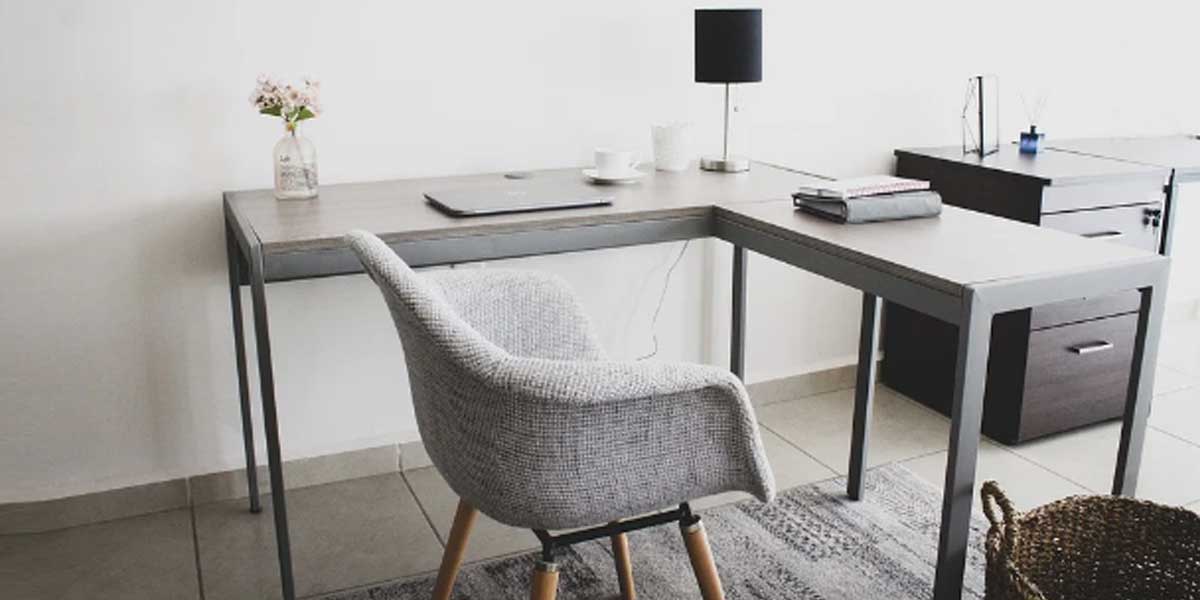
WFH Ready homes: Home designs incorporating a separate space for work from home, fast internet connection, WiFi router, and a work-desk will define multipurpose living leading to non-encroachment into the personal space. Future living communities may incorporate a Business Centre or common work-spaces in their plan.

Smart Homes: With the integration of technology in the residential spaces, the design language will emphasise more on touchless facilities and smart homes. Hands-free sinks and toilets, automated lights and voice-controlled smart devices will allow people to stay comfortable while also limiting what they touch. This will eventually resolve the contamination risk in residential buildings

Green Homes: Individual pockets of green and open spaces will further add onto the indoor elements and home designing to cook, play and exercise in fresh air by adding more porches, balconies and providing the provision of kitchen gardens

Offices are here to stay, but will be re-designed

The concept of workplace wellness and design is not new, however, due to Covid-19, a noticeable shift is visible in the way occupational health and safety measures are being addressed today. COVID-19 is fundamentally modifying how offices look and operate.

A recent CBRE survey highlighted 70-75% respondents were intending to introduce some variant of touchless technology and active screening in the short-term, coupled with a strong focus on improving indoor air circulation post Covid-19. The design and distribution of space will now be assessed through a safety lens – measuring how well the organisations can limit the spread of disease, safeguard employee health and reinforce hygiene and wellbeing.

Technology-based solutions: The amalgamation of technology, AI along with AR will be added on the workplaces key design elements. Touchless office technologies such as bathrooms with light-activated sinks and hand dryers, facial recognition for attendance and doors- elevators accessible through corporate badges — will reduce employee contact and ensure safety

Separation and social distancing: Both occupiers and developers will relook at de-densifying the office space, installing furniture that supports individual or separated workstation, using collaborative spaces or using hot seats, etc. The use of glass or acrylic partitions to subdivide spaces and create enclosures will be seen

Biophilic design: Giving preference to buildings with ‘healthy’ credentials related to indoor air quality and ventilation will be a part of the ‘new normal’. Biophilic design and indulging into more open and greener spaces, will play a key role in redesigning office spaces Sustainability: While sanitisation protocols and safety procedures will modify the office space, in the short run, sustainability will be restructuring the workplace environment going forward

While the above design transformations are being adapted, a workplace design that amalgamates both social distancing and productivity will be the ultimate future

Re-designing will enhance resilience in real estate sector

The indirect correlation between public infrastructural and built environment to the health of the citizens has been accentuated with the onset of Covid-19. Therefore, the design of these infrastructures will lead to mitigation of possible future crises. With the reopening of public spaces, the risk of contamination has increased and apart from self-protection through masks and social distancing, infrastructural design should be given highly contemplated and analysed

Ventilated Design: The need for proper circulation and fresh air to reduce the risk of contamination has never been more prominent – especially schools, colleges, hospitals and malls. Therefore, consideration of window patterns and wall fans and their impact on the acoustics of public rooms will ensure a well-ventilated space. Retail stores may shift away from the big box layout towards the inclusion of more green and outdoor areas to provide good ventilation

Green Sustainable infrastructures: Green buildings and sustainable construction will offer solutions for cities, communities and neighbourhoods around the world to address environmental concerns and enhance the health and wellbeing of their inhabitants. The use of modern and renewable construction material will substitute the hazardous material

Smart city Design: Smart City and Atal Mission for Rejuvenation and Urban Transformation (AMRUT) city have enhanced the design specifications of cities incorporating blue-green spaces, technical tools and solutions to help negate impacts of infectious diseases, chronic illnesses etc in future.

The renewed design process: Covid-19 has revamped not just the elements of design, but also the designing process. While it is challenging to maintain social distancing at construction sites due to competing factors such as teamwork, scale of project, physical supervision, etc, the designing process in itself has undergone technical acceleration. Off-site manufacturing and fabrication, utilisation of modern methods of construction have eventually helped the design progression

Outlook

Design of buildings and interiors with reference to the landscapes, communities and regions will modify keeping in mind the possibility of future natural phenomenon and disasters. Through sustainable design, construction and operations, reduction in carbon emissions, energy and waste; conserving water; prioritising safer materials and lowering our exposure to toxins will enhance the situation and will contract the possibilities of future crises. The redesigned real estate strategies will ensure that the infrastructures continue to perform positively, even during critical pandemic situations. The only way real estate players can change the future is by redesigning it.

Author: Gurjot Bhatia is Managing Director, Project Management, CBRE India, Middle East, and North Africa.

4th Indian Cement Review Conference 2021
17-18 March 

Click for event info

The advent of Covid-19 has pushed real estate to redesign homes for new normal, writes Gurjot Bhatia.Covid-19 has spurred the evolution of design with changing buying preferences during the pandemic as developers and occupiers are taking cognisance of the need of new and innovative construction technologies. Solidifying the requirement of safety in design is another aspect leading to ultra-modern, functional and eco-friendly demands from homes to offices.A collective Covid–19 experience has opened a new world of design possibilities and has brought in both challenges and opportunities that will define how the real estate sector needs to align and adapt to these changing times. With stringent guidelines already in place, corporates and developers are relooking at design strategies across our living and work environment to ensure a safe and sustainable future of real estate.Here’s how home buyers and office goers will look at re-design from a new prism enabling a more resilient and productive future.Smarter and Green HomesCovid-19 has posed an unprecedented situation and developers are trying their best to adjust to the new guidelines to sustain residential demand and operations. While homebuyers are currently inclined towards affordable and mid-segment homes, they have also become very peculiar for design features such as work from home facility and better ventilation.As per a CBRE workplace survey, 64% respondents indicated that lack of dedicated and ergonomically compliant workspace at home, inadequate IT infrastructure and data speed continue to be key challenges impacting performance. Some trends that will focus on addressing these aspects include:WFH Ready homes: Home designs incorporating a separate space for work from home, fast internet connection, WiFi router, and a work-desk will define multipurpose living leading to non-encroachment into the personal space. Future living communities may incorporate a Business Centre or common work-spaces in their plan.Smart Homes: With the integration of technology in the residential spaces, the design language will emphasise more on touchless facilities and smart homes. Hands-free sinks and toilets, automated lights and voice-controlled smart devices will allow people to stay comfortable while also limiting what they touch. This will eventually resolve the contamination risk in residential buildingsGreen Homes: Individual pockets of green and open spaces will further add onto the indoor elements and home designing to cook, play and exercise in fresh air by adding more porches, balconies and providing the provision of kitchen gardensOffices are here to stay, but will be re-designedThe concept of workplace wellness and design is not new, however, due to Covid-19, a noticeable shift is visible in the way occupational health and safety measures are being addressed today. COVID-19 is fundamentally modifying how offices look and operate.A recent CBRE survey highlighted 70-75% respondents were intending to introduce some variant of touchless technology and active screening in the short-term, coupled with a strong focus on improving indoor air circulation post Covid-19. The design and distribution of space will now be assessed through a safety lens – measuring how well the organisations can limit the spread of disease, safeguard employee health and reinforce hygiene and wellbeing.Technology-based solutions: The amalgamation of technology, AI along with AR will be added on the workplaces key design elements. Touchless office technologies such as bathrooms with light-activated sinks and hand dryers, facial recognition for attendance and doors- elevators accessible through corporate badges — will reduce employee contact and ensure safetySeparation and social distancing: Both occupiers and developers will relook at de-densifying the office space, installing furniture that supports individual or separated workstation, using collaborative spaces or using hot seats, etc. The use of glass or acrylic partitions to subdivide spaces and create enclosures will be seenBiophilic design: Giving preference to buildings with ‘healthy’ credentials related to indoor air quality and ventilation will be a part of the ‘new normal’. Biophilic design and indulging into more open and greener spaces, will play a key role in redesigning office spaces Sustainability: While sanitisation protocols and safety procedures will modify the office space, in the short run, sustainability will be restructuring the workplace environment going forwardWhile the above design transformations are being adapted, a workplace design that amalgamates both social distancing and productivity will be the ultimate futureRe-designing will enhance resilience in real estate sectorThe indirect correlation between public infrastructural and built environment to the health of the citizens has been accentuated with the onset of Covid-19. Therefore, the design of these infrastructures will lead to mitigation of possible future crises. With the reopening of public spaces, the risk of contamination has increased and apart from self-protection through masks and social distancing, infrastructural design should be given highly contemplated and analysedVentilated Design: The need for proper circulation and fresh air to reduce the risk of contamination has never been more prominent – especially schools, colleges, hospitals and malls. Therefore, consideration of window patterns and wall fans and their impact on the acoustics of public rooms will ensure a well-ventilated space. Retail stores may shift away from the big box layout towards the inclusion of more green and outdoor areas to provide good ventilationGreen Sustainable infrastructures: Green buildings and sustainable construction will offer solutions for cities, communities and neighbourhoods around the world to address environmental concerns and enhance the health and wellbeing of their inhabitants. The use of modern and renewable construction material will substitute the hazardous materialSmart city Design: Smart City and Atal Mission for Rejuvenation and Urban Transformation (AMRUT) city have enhanced the design specifications of cities incorporating blue-green spaces, technical tools and solutions to help negate impacts of infectious diseases, chronic illnesses etc in future.The renewed design process: Covid-19 has revamped not just the elements of design, but also the designing process. While it is challenging to maintain social distancing at construction sites due to competing factors such as teamwork, scale of project, physical supervision, etc, the designing process in itself has undergone technical acceleration. Off-site manufacturing and fabrication, utilisation of modern methods of construction have eventually helped the design progressionOutlookDesign of buildings and interiors with reference to the landscapes, communities and regions will modify keeping in mind the possibility of future natural phenomenon and disasters. Through sustainable design, construction and operations, reduction in carbon emissions, energy and waste; conserving water; prioritising safer materials and lowering our exposure to toxins will enhance the situation and will contract the possibilities of future crises. The redesigned real estate strategies will ensure that the infrastructures continue to perform positively, even during critical pandemic situations. The only way real estate players can change the future is by redesigning it.Author: Gurjot Bhatia is Managing Director, Project Management, CBRE India, Middle East, and North Africa.4th Indian Cement Review Conference 20214th Indian Cement Review Conference 202117-18 March Click for event info

Related Stories

Gold Stories

Next Story
Infrastructure Urban

NABARD Holds Seminar on Vigilance, Integrity and Good Governance

National Bank for Agriculture and Rural Development (NABARD) organised a seminar on “Vigilance: Strengthening Integrity and Good Governance” on 25 August 2026 at its Head Office in Mumbai as part of the ongoing Vigilance Awareness Campaign 2026 being observed from 17 August to 16 November 2026, with the theme “Probity for Prosperity."" The seminar was graced by Suresh N Patel, Former Central Vigilance Commissioner, Government of India, as the chief guest and keynote speaker.  The programme was attended by G S Rawat, Deputy Managing Director, Dr Ajay K Sood, Deputy Managing Dire..

Next Story
Equipment

XCMG Unveils World's First 14,000-Ton Ring Crane for Heavy Lifting

XCMG has announced that the first main unit of the world's first 14,000-ton ring crane has rolled off the production line, marking a historic breakthrough in ultra-heavy lifting technology. Jointly developed by XCMG and Sinopec Heavy Lifting & Transportation Co., Ltd., the crane will be the largest-capacity ring crane ever built, setting a new benchmark for major construction projects worldwide.The crane features a modular configuration comprising two main units that work in tandem. The first main unit has completed final assembly and can independently perform lifting operations. Once both..

Next Story
Infrastructure Urban

Thriveni Logistics orders 200 tip trailers from Jagdamba trailers

Jagdamba Trailers (JTPL), one of India’s growing trailer manufacturers, has secured a significant order for 200 Tip Trailers from Thriveni Transport and Logistics Pvt. Ltd., a leading mining and logistics company serving operations across India and overseas.The order, placed for iron ore transportation, is a major milestone for JTPL, particularly as the company secured the business after competing with more than 10 established trailer manufacturers. It also strengthens an already successful relationship between the two companies. Approximately one and a half years ago, Thriveni Transport and..

Advertisement

Subscribe to Our Newsletter

Get daily newsletters around different themes from Construction world.

STAY CONNECTED

Advertisement

SPECIAL OFFER
QR Code