RRTS Seen Driving Mobility Shift And Corridor Realty Growth
Real Estate

RRTS Seen Driving Mobility Shift And Corridor Realty Growth

India’s Regional Rapid Transit System (RRTS) is emerging as a key catalyst for urban mobility transformation and corridor-led real estate growth, according to a new report by Knight Frank India titled Regional Rapid Transit System: Testing the Commuters’ Pulse.

The study highlights strong commuter satisfaction, rising investor confidence and a growing willingness among homebuyers to consider properties along RRTS corridors. Nearly 66 per cent of respondents surveyed said they are keen to purchase homes in areas served by the RRTS, signalling its potential to reshape residential and commercial demand patterns.

Around 80 per cent of existing RRTS users linked improved connectivity to better economic opportunities in their regions, underscoring the broader impact of high-speed regional transit on employment access and productivity. Knight Frank noted that visible infrastructure development plays a crucial role in boosting confidence, with respondents more than twice as likely to perceive economic growth in areas witnessing RRTS-led upgrades.

The presence of commercial activity—such as offices, retail hubs and business districts—significantly amplifies investment sentiment, increasing the likelihood of property investment by more than tenfold. Similarly, active real estate development along RRTS corridors raises the probability of investment by nearly eight times, indicating that connectivity alone is not enough and must be supported by tangible on-ground development.

The flagship Delhi–Ghaziabad–Meerut RRTS corridor, being developed by the National Capital Region Transport Corporation, illustrates this potential. Spanning 82 km and backed by an investment exceeding Rs 300 billion, the corridor aims to cut travel time between Delhi and Meerut to under an hour. Sections of the corridor are already operational, with additional phases under development.

Commuter feedback has been largely positive, with over 80 per cent of users expressing satisfaction with the service. While some users cited higher commuting costs, most said the benefits of time savings, safety, comfort and productivity outweighed fare concerns. However, the report highlighted last-mile connectivity and integration with other transport modes as key challenges that need to be addressed to sustain ridership growth.

With more than 90 per cent awareness among potential users and strong intent to adopt the system once connectivity gaps are bridged, Knight Frank said RRTS is well placed to drive decentralised urban growth. The report added that the long-term success of RRTS corridors will depend on coordinated planning that aligns transport infrastructure with land use, social infrastructure and commercial development.

India’s Regional Rapid Transit System (RRTS) is emerging as a key catalyst for urban mobility transformation and corridor-led real estate growth, according to a new report by Knight Frank India titled Regional Rapid Transit System: Testing the Commuters’ Pulse. The study highlights strong commuter satisfaction, rising investor confidence and a growing willingness among homebuyers to consider properties along RRTS corridors. Nearly 66 per cent of respondents surveyed said they are keen to purchase homes in areas served by the RRTS, signalling its potential to reshape residential and commercial demand patterns. Around 80 per cent of existing RRTS users linked improved connectivity to better economic opportunities in their regions, underscoring the broader impact of high-speed regional transit on employment access and productivity. Knight Frank noted that visible infrastructure development plays a crucial role in boosting confidence, with respondents more than twice as likely to perceive economic growth in areas witnessing RRTS-led upgrades. The presence of commercial activity—such as offices, retail hubs and business districts—significantly amplifies investment sentiment, increasing the likelihood of property investment by more than tenfold. Similarly, active real estate development along RRTS corridors raises the probability of investment by nearly eight times, indicating that connectivity alone is not enough and must be supported by tangible on-ground development. The flagship Delhi–Ghaziabad–Meerut RRTS corridor, being developed by the National Capital Region Transport Corporation, illustrates this potential. Spanning 82 km and backed by an investment exceeding Rs 300 billion, the corridor aims to cut travel time between Delhi and Meerut to under an hour. Sections of the corridor are already operational, with additional phases under development. Commuter feedback has been largely positive, with over 80 per cent of users expressing satisfaction with the service. While some users cited higher commuting costs, most said the benefits of time savings, safety, comfort and productivity outweighed fare concerns. However, the report highlighted last-mile connectivity and integration with other transport modes as key challenges that need to be addressed to sustain ridership growth. With more than 90 per cent awareness among potential users and strong intent to adopt the system once connectivity gaps are bridged, Knight Frank said RRTS is well placed to drive decentralised urban growth. The report added that the long-term success of RRTS corridors will depend on coordinated planning that aligns transport infrastructure with land use, social infrastructure and commercial development.

Next Story
Infrastructure Urban

Patil Reviews JSJB 2.0 Progress In Water-Stressed Districts

Union Minister of Jal Shakti C R Patil on Tuesday interacted with District Collectors and District Development Officers from 124 over-exploited and critical districts, as identified in the 2024 national groundwater assessment, to review progress on water conservation initiatives. Ministers of State V. Somanna and Dr Raj Bhushan Choudhary also attended the meeting, along with Secretary, Department of Water Resources, River Development and Ganga Rejuvenation, V L Kantha Rao, and senior officials from the Ministries of Jal Shakti and Rural Development. The review centred on Jal Sanchay Jan Bhagi..
Next Story
Infrastructure Urban

Jitendra Singh Inaugurates BRIC Secretariat In New Delhi

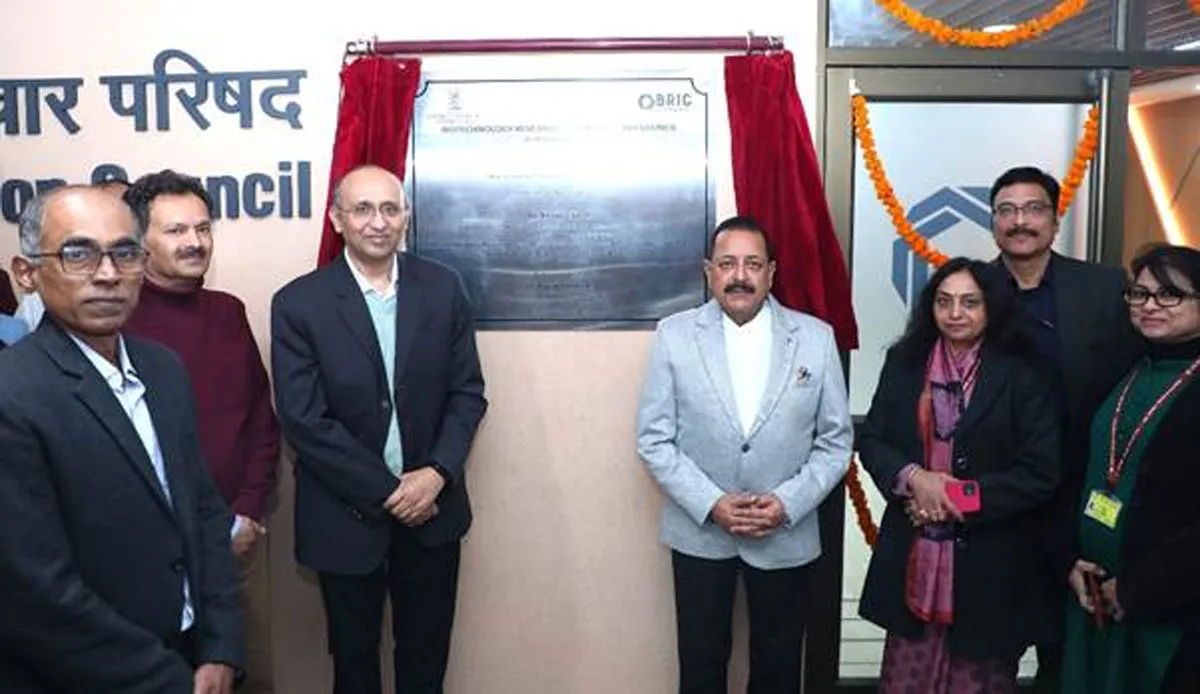
Ahead of the New Year, Union Minister of State (Independent Charge) for Science and Technology and Earth Sciences, and Minister of State in the PMO, Personnel, Public Grievances, Pensions, Atomic Energy and Space, Dr Jitendra Singh inaugurated the new Secretariat complex of the Biotechnology Research and Innovation Council (BRIC), calling it a key milestone for strengthening India’s future bioeconomy. The BRIC Secretariat office complex is located on the fourth floor of the NSIC Business Park in New Delhi. It will function as a lean coordinating mechanism to enhance collaboration among BRIC..

Next Story
Infrastructure Energy

PMO Pushes Listing Of Coal India Subsidiaries By 2030

The Prime Minister’s Office (PMO) has directed the Ministry of Coal to map and list all subsidiaries of state-run Coal India Limited (CIL) by 2030, according to sources. The move is aimed at streamlining governance, improving accountability and unlocking value through asset monetisation within the coal public sector undertaking. Coal India Limited accounts for more than 80 per cent of India’s domestic coal production and operates through eight subsidiaries: Eastern Coalfields Limited, Bharat Coking Coal Limited (BCCL), Central Coalfields Limited, Western Coalfields Limited, South Eastern ..

Advertisement

Subscribe to Our Newsletter

Get daily newsletters around different themes from Construction world.

STAY CONNECTED

Advertisement

Advertisement

Advertisement

Advertisement

Open In App