Artificial Intelligence (AI) is rapidly reshaping the construction industry by introducing smarter, faster, and more efficient ways to plan, execute, and manage projects. In India, where large-scale infrastructure and real estate developments are growing at an unprecedented pace, AI is becoming a critical tool for improving productivity, reducing risks, and optimising costs. From predictive analytics and automation to real-time monitoring and quality control, AI is influencing every stage of the construction lifecycle. As companies increasingly adopt digital technologies, AI is no longer a futuristic concept but a practical solution driving measurable results on the ground.
1. Smarter Project Planning and Design
AI is transforming the early stages of construction by enabling data-driven planning and design decisions. Traditionally, project planning relied heavily on manual calculations and past experience, which often led to inefficiencies and errors. AI-powered tools now analyse vast datasets, including past project data, environmental conditions, and material performance, to generate optimised project plans.
In India, AI is being integrated with digital design platforms to improve layout efficiency, reduce material wastage, and enhance structural performance. These systems can simulate multiple design scenarios and recommend the most cost-effective and sustainable option. This not only improves accuracy but also accelerates the decision-making process for developers and engineers.
Key advantages include:
- Faster and more accurate project planning
- Reduction in design errors and rework
- Optimised material usage and cost efficiency
- Better alignment with environmental and regulatory requirements
2. Predictive Analytics for Risk Management
One of the most impactful applications of AI in construction is predictive analytics. Construction projects are often exposed to risks such as delays, budget overruns, labour shortages, and safety issues. AI systems analyse historical data and real-time inputs to identify patterns and predict potential risks before they occur.
In large infrastructure projects across India, predictive analytics is being used to monitor timelines, identify bottlenecks, and forecast cost escalations. This allows project managers to take proactive measures, such as reallocating resources or adjusting schedules, to avoid disruptions.
Key benefits include:
- Early identification of project risks
- Improved cost control and budget management
- Reduced project delays
- Better decision-making through data insights
3. AI and BIM Integration
The integration of AI with Building Information Modelling (BIM) is significantly enhancing collaboration and efficiency in construction projects. BIM provides a digital representation of a building’s physical and functional characteristics, while AI adds intelligence by analysing and optimising this data.
In India, AI-powered BIM solutions are being used in metro rail projects, commercial developments, and smart city initiatives. These systems can automatically detect design clashes, optimise construction sequences, and improve coordination between different stakeholders.
This integration ensures that projects are executed more efficiently, with fewer errors and better resource management.
Key outcomes include:
- Improved coordination between architects, engineers, and contractors
- Reduction in design conflicts and construction errors
- Enhanced project visualisation and simulation
- Faster project execution and reduced costs
4. Automation and Robotics in Construction
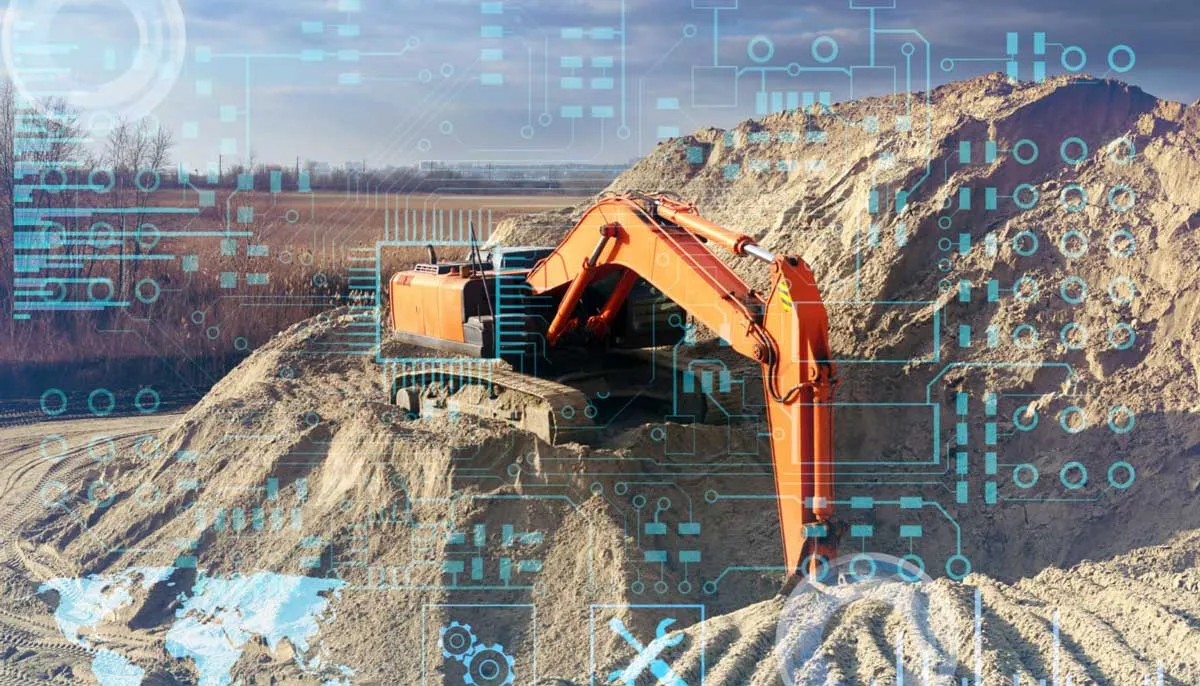
AI-driven automation is revolutionising on-site construction activities by reducing manual labour and increasing efficiency. Robotics and automated machinery are being used for tasks such as bricklaying, excavation, material handling, and site inspections.
In India, construction companies are beginning to experiment with autonomous equipment and robotic systems, particularly in large-scale infrastructure projects. These technologies not only speed up construction but also ensure greater precision and consistency.
Automation is especially valuable in addressing labour shortages and improving productivity in time-sensitive projects.
Key impacts include:
- Faster completion of repetitive tasks
- Reduced dependency on manual labour
- Improved accuracy and consistency
- Enhanced productivity on construction sites
5. Enhanced Safety Monitoring
Safety is a major concern in the construction industry, and AI is playing a crucial role in improving on-site safety standards. AI-powered surveillance systems use computer vision and machine learning to monitor worker behaviour and detect unsafe practices in real time.
In Indian construction sites, AI systems are being used to ensure compliance with safety protocols, such as wearing helmets, harnesses, and protective gear. These systems can instantly alert supervisors about potential hazards, helping prevent accidents before they occur.
This shift towards proactive safety management is not only protecting workers but also reducing project downtime caused by accidents.
Key improvements include:
- Real-time monitoring of safety compliance
- Reduction in workplace accidents
- Faster response to potential hazards
- Improved overall site safety culture
6. Real-Time Project Tracking and Management
AI is enabling real-time tracking of construction projects through advanced digital platforms. These systems collect data from multiple sources, including sensors, drones, and site reports, to provide a comprehensive view of project progress.
In India, construction companies are increasingly adopting AI-enabled project management tools to monitor timelines, track resource utilisation, and measure performance. This allows project managers to make informed decisions quickly and ensure that projects stay on schedule.
Real-time insights also improve transparency and communication among stakeholders, including clients, contractors, and consultants.
Key benefits include:
- Accurate tracking of project progress
- Improved coordination and communication
- Faster decision-making based on real-time data
- Enhanced accountability and transparency
7. Smart Infrastructure and Urban Development
AI is playing a significant role in the development of smart infrastructure across India. With the growth of smart city initiatives, AI is being integrated into urban planning, transportation systems, and utility management.
AI-driven systems analyse data from sensors and connected devices to optimise traffic flow, manage energy consumption, and improve public services. In construction, this data is used to design infrastructure that is more efficient, sustainable, and responsive to user needs.
This trend is transforming how cities are built and managed, making them more intelligent and future-ready.
Key applications include:
- Intelligent traffic and transportation systems
- Data-driven urban planning
- Efficient energy and water management
- Integration of IoT with construction infrastructure
8. Quality Control and Defect Detection
Maintaining quality standards is critical in construction, and AI is significantly improving quality control processes. AI-powered systems use image recognition and data analysis to identify defects, inconsistencies, and structural issues during construction.
In India, these technologies are being used to inspect buildings, detect cracks, and ensure compliance with design specifications. This reduces the need for manual inspections and minimises the chances of human error.
By identifying issues early, AI helps reduce rework, save costs, and ensure higher construction quality.
Key advantages include:
- Early detection of defects and structural issues
- Reduced rework and maintenance costs
- Improved construction quality and durability
- More efficient inspection processes
Conclusion
AI is fundamentally transforming the construction industry in India by introducing smarter, safer, and more efficient ways of working. From planning and design to execution and maintenance, its impact is visible across every stage of the project lifecycle. As adoption continues to grow, companies that leverage AI effectively will gain a strong competitive advantage in terms of cost, quality, and project delivery. The future of construction lies in the seamless integration of technology, and AI will be at the centre of this transformation.