Ahmedabad Plans 800 Smart Bus Stops Ahead of CWG 2030
ECONOMY & POLICY

Ahmedabad Plans 800 Smart Bus Stops Ahead of CWG 2030

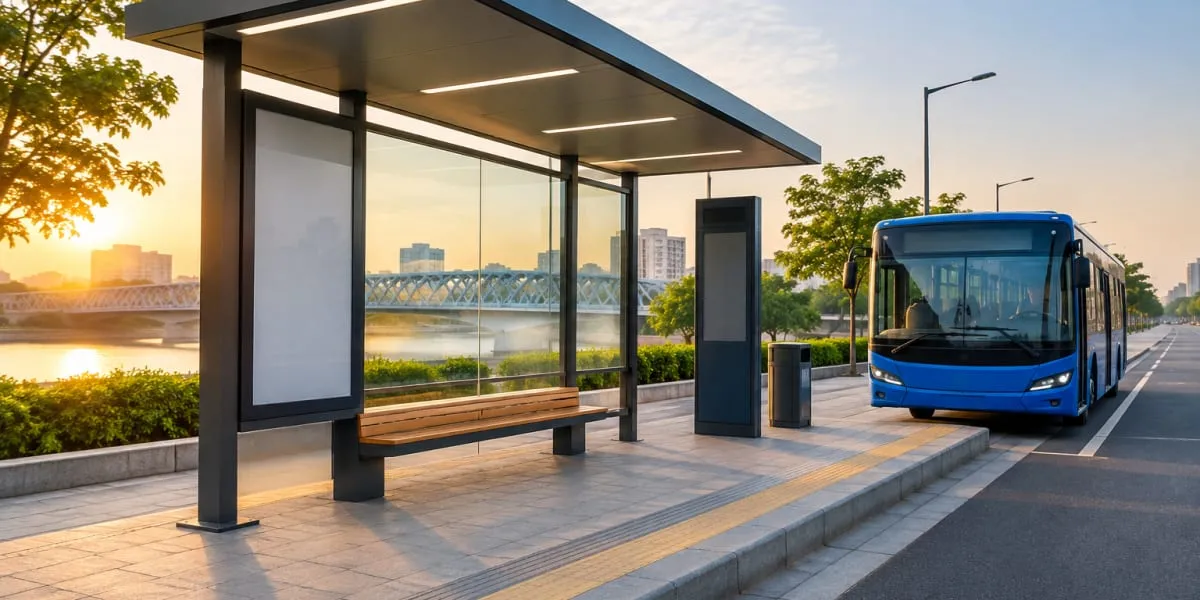
Ahmedabad is set to receive around 800 modernised bus stops over the next two and a half to three years, as the Ahmedabad Municipal Corporation (AMC) prepares to improve public transport facilities ahead of the 2030 Commonwealth Games. The project is also intended to strengthen the city’s infrastructure before the World Police and Fire Games in 2029.

The upgrades will cover major stops operated by the Ahmedabad Municipal Transport Service (AMTS) and will be implemented under a Build, Operate and Transfer model. The proposed facilities include estimated time of arrival display boards, route maps, sensor-operated LED lighting, seating, rainwater drainage and, at selected locations, Wi-Fi and mobile charging points.

GPS-enabled passenger information systems will provide live bus locations, route details and estimated arrival times. The AMC also plans a mobile application that will allow passengers to track buses, check arrival information and reserve seats. The proposed application is intended to help commuters plan journeys from their homes and reduce uncertainty at bus stops.

Another major proposal is a single-window ticketing system covering the Metro, Bus Rapid Transit System (BRTS) and AMTS. Commuters currently buy separate tickets for the three services, while the proposed arrangement would allow a single ticket to be used across the modes and make transfers easier.

Smart bus stops have already been installed on a pilot basis at locations including Sindhu Bhavan Road, Anandnagar, CG Road, Science City and TV Tower, with four sites in eastern Ahmedabad also covered. Lessons from the pilot will guide expansion, while shelter designs will address extreme summer temperatures, monsoon rainfall and accessibility requirements through ramps, tactile paving and wheelchair-friendly spaces.

AMTS also plans feeder services, additional buses and new routes to improve first- and last-mile connectivity to markets, hospitals, educational institutions and Metro stations. The contractor will operate and maintain the stops under specified service-level agreements, covering cleanliness and facility standards, without direct capital investment by AMTS.

Ahmedabad is set to receive around 800 modernised bus stops over the next two and a half to three years, as the Ahmedabad Municipal Corporation (AMC) prepares to improve public transport facilities ahead of the 2030 Commonwealth Games. The project is also intended to strengthen the city’s infrastructure before the World Police and Fire Games in 2029. The upgrades will cover major stops operated by the Ahmedabad Municipal Transport Service (AMTS) and will be implemented under a Build, Operate and Transfer model. The proposed facilities include estimated time of arrival display boards, route maps, sensor-operated LED lighting, seating, rainwater drainage and, at selected locations, Wi-Fi and mobile charging points. GPS-enabled passenger information systems will provide live bus locations, route details and estimated arrival times. The AMC also plans a mobile application that will allow passengers to track buses, check arrival information and reserve seats. The proposed application is intended to help commuters plan journeys from their homes and reduce uncertainty at bus stops. Another major proposal is a single-window ticketing system covering the Metro, Bus Rapid Transit System (BRTS) and AMTS. Commuters currently buy separate tickets for the three services, while the proposed arrangement would allow a single ticket to be used across the modes and make transfers easier. Smart bus stops have already been installed on a pilot basis at locations including Sindhu Bhavan Road, Anandnagar, CG Road, Science City and TV Tower, with four sites in eastern Ahmedabad also covered. Lessons from the pilot will guide expansion, while shelter designs will address extreme summer temperatures, monsoon rainfall and accessibility requirements through ramps, tactile paving and wheelchair-friendly spaces. AMTS also plans feeder services, additional buses and new routes to improve first- and last-mile connectivity to markets, hospitals, educational institutions and Metro stations. The contractor will operate and maintain the stops under specified service-level agreements, covering cleanliness and facility standards, without direct capital investment by AMTS.

Related Stories

Gold Stories

Next Story
Infrastructure Energy

JSW Motors Signs MoU with ARAI for Vehicle Development

JSW Motors, the passenger vehicle arm of JSW Group, has signed a memorandum of understanding (MoU) with the Automotive Research Association of India (ARAI) for technical collaboration on the design, validation and localisation of new energy vehicles (NEVs). The agreement is intended to create technical foundations for vehicles designed for Indian operating conditions. The companies will work on vehicle engineering and technical baselines, testing, validation and performance assessment, according to JSW Motors. Their programme will also cover advanced driver assistance systems (ADAS), battery s..

Next Story
Infrastructure Urban

Karnataka Offers Support for Toyota Expansion Plans

Karnataka Chief Minister D K Shivakumar assured Toyota Motor Corporation of the state government’s support for expanding its manufacturing operations during a meeting with the company’s senior leadership in Japan. The discussions covered higher production, new mobility solutions and further investment in Karnataka, as Toyota looks to increase vehicle production capacity to 1 mn in the near future. Shivakumar was accompanied by M B Patil, Karnataka’s Minister for Large and Medium Industries and Infrastructure Development. The Toyota delegation was led by Masakazu Yoshimura, the company’..
Next Story
Infrastructure Transport

Railways to Begin Bullet Train Trial on Surat-Bilimora Section

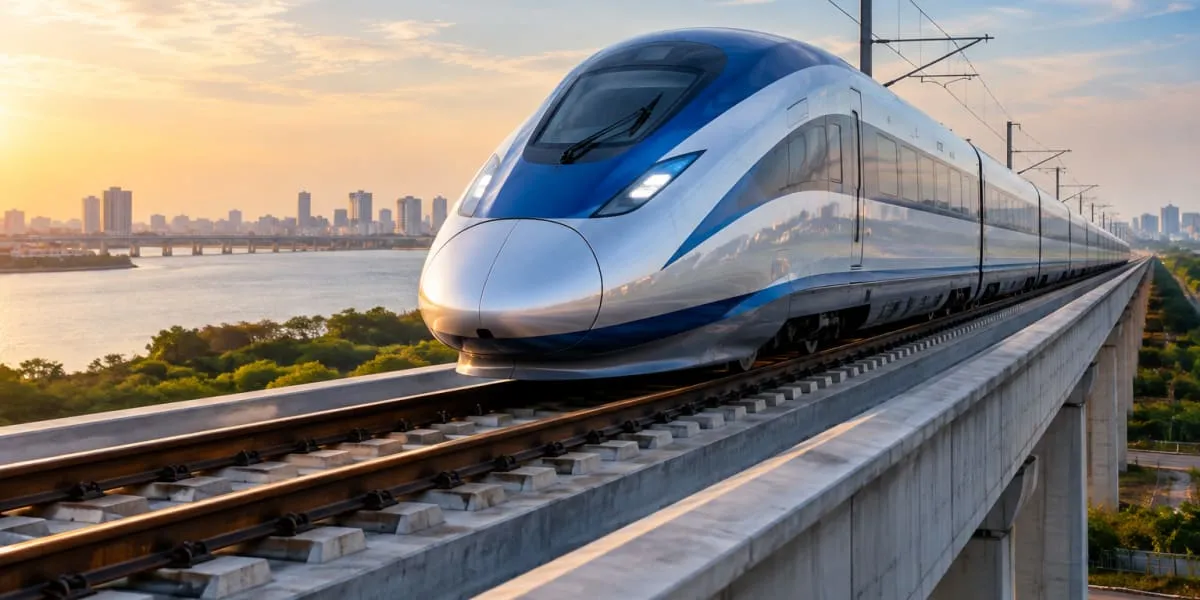
Indian Railways will begin a trial run of its bullet train service on the 50 km Surat-Bilimora section by May 2027. The section is part of the Mumbai-Ahmedabad high-speed rail corridor and is expected to provide the first operational segment of the project. The trial will use an indigenous trainset capable of travelling at 280 km per hour. Railway Ministry sources said the first section of the corridor, extending from Surat to Vapi, is scheduled to become operational by the end of 2027. The planned trial marks a step towards introducing high-speed rail services on the corridor, which connects ..

Subscribe to Our Newsletter

Get daily newsletters around different themes from Construction world.

STAY CONNECTED

Advertisement

SPECIAL OFFER
QR Code