
APSEZ Completes NQXT Buy, Lifts FY26 Guidance
PORTS & SHIPPING

APSEZ Completes NQXT Buy, Lifts FY26 Guidance

Adani Ports and Special Economic Zone has completed the acquisition of a 100 per cent stake in NQXT (North Queensland Export Terminal) Australia through a non-cash transaction, marking a key step in its international expansion strategy.

As part of the deal, APSEZ allotted 143.8 million equity shares with a face value of Rs 2 each to the seller, Carmichael Rail and Port Singapore Holdings, on a preferential basis.

Following the acquisition, APSEZ has raised its FY26 earnings before interest, taxes, depreciation and amortisation guidance to Rs 223.5–233.5 billion, from the earlier range of Rs 210–220 billion. Cargo volume guidance has also been revised upwards to 545–555 million metric tonnes, compared with the earlier estimate of 505–515 million metric tonnes.

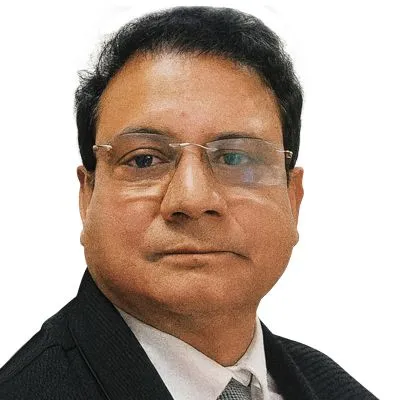
Commenting on the development, Ashwani Gupta, Whole-time Director and Chief Executive Officer of APSEZ, said NQXT is a high-quality asset with strong growth prospects, geographic advantages and a robust sustainability record. He added that the acquisition strengthens APSEZ’s presence along the East–West trade corridor, complementing its international ports in Israel, Colombo and Tanzania.

NQXT is a high-growth, cash-generating asset, primarily supported by long-term take-or-pay contracts. In the previous financial year, the terminal had a contracted capacity of 40 million tonnes per annum and generated Ebitda of AUD 228 million. On a pro forma basis, NQXT accounts for around 6 per cent of APSEZ’s FY25 revenue and 7 per cent of its Ebitda.

APSEZ reported revenue of Rs 304.75 billion and Ebitda of Rs 190.25 billion in FY25, during which it handled cargo volumes of 450.2 million metric tonnes. The company’s current cargo handling capacity stands at 633 million tonnes per annum, giving it a 28 per cent share of India’s total port volumes.

The acquisition of NQXT, a natural deep-water, multi-user export terminal with a nameplate capacity of 50 million tonnes per annum, was approved by APSEZ in April. The company said the closure of the transaction is a major milestone in its roadmap to achieve 1 billion metric tonnes of cargo handling by 2030.

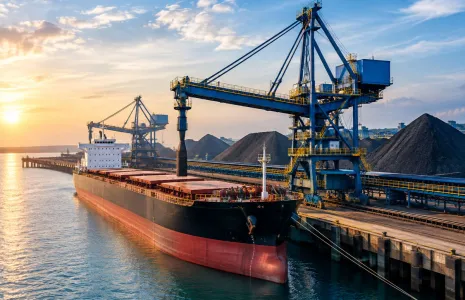
Located at the Port of Abbot Point in North Queensland, NQXT operates under a long-term lease from the Queensland government, with a remaining tenure of 85 years. The terminal primarily serves mining customers in the Bowen and Galilee basins, with exports mainly destined for North and South-East Asian markets.

Adani Ports and Special Economic Zone has completed the acquisition of a 100 per cent stake in NQXT (North Queensland Export Terminal) Australia through a non-cash transaction, marking a key step in its international expansion strategy. As part of the deal, APSEZ allotted 143.8 million equity shares with a face value of Rs 2 each to the seller, Carmichael Rail and Port Singapore Holdings, on a preferential basis. Following the acquisition, APSEZ has raised its FY26 earnings before interest, taxes, depreciation and amortisation guidance to Rs 223.5–233.5 billion, from the earlier range of Rs 210–220 billion. Cargo volume guidance has also been revised upwards to 545–555 million metric tonnes, compared with the earlier estimate of 505–515 million metric tonnes. Commenting on the development, Ashwani Gupta, Whole-time Director and Chief Executive Officer of APSEZ, said NQXT is a high-quality asset with strong growth prospects, geographic advantages and a robust sustainability record. He added that the acquisition strengthens APSEZ’s presence along the East–West trade corridor, complementing its international ports in Israel, Colombo and Tanzania. NQXT is a high-growth, cash-generating asset, primarily supported by long-term take-or-pay contracts. In the previous financial year, the terminal had a contracted capacity of 40 million tonnes per annum and generated Ebitda of AUD 228 million. On a pro forma basis, NQXT accounts for around 6 per cent of APSEZ’s FY25 revenue and 7 per cent of its Ebitda. APSEZ reported revenue of Rs 304.75 billion and Ebitda of Rs 190.25 billion in FY25, during which it handled cargo volumes of 450.2 million metric tonnes. The company’s current cargo handling capacity stands at 633 million tonnes per annum, giving it a 28 per cent share of India’s total port volumes. The acquisition of NQXT, a natural deep-water, multi-user export terminal with a nameplate capacity of 50 million tonnes per annum, was approved by APSEZ in April. The company said the closure of the transaction is a major milestone in its roadmap to achieve 1 billion metric tonnes of cargo handling by 2030. Located at the Port of Abbot Point in North Queensland, NQXT operates under a long-term lease from the Queensland government, with a remaining tenure of 85 years. The terminal primarily serves mining customers in the Bowen and Galilee basins, with exports mainly destined for North and South-East Asian markets.

Next Story
Infrastructure Transport

RRTS emerges as key growth driver for real estate and mobility: Knight Frank

India’s Regional Rapid Transit System (RRTS) is emerging as a major catalyst for urban growth and investment, with strong demand from commuters and rising interest from real estate investors, according to a new report by Knight Frank India.Titled “Regional Rapid Transit System: Testing the Commuters’ Pulse”, the study highlights that nearly 66 per cent of surveyed respondents are willing to purchase property along RRTS corridors, while 80 per cent associate improved connectivity with enhanced economic opportunities. The findings underline the growing role of high-speed regional transit..

Next Story
Infrastructure Transport

Centre To Set Up Bureau Of Port Security

The government will constitute a dedicated Bureau of Port Security (BoPS) to oversee the security of vessels and port facilities across India, official sources said on Friday. The move is aimed at strengthening maritime security through a centralised and specialised institutional framework. Union Home Minister Amit Shah chaired a meeting on the constitution of BoPS, which was attended by Sarbananda Sonowal, Union Minister for Ports, Shipping and Waterways, and Ram Mohan Naidu, Minister of Civil Aviation. During the discussions, Mr Shah underlined the need for a robust and future-ready port se..

Next Story
Infrastructure Energy

Adani Eyes AI Data Centres And Nuclear Power

The Adani Group is planning an aggressive expansion of artificial intelligence data centres and the energy infrastructure required to support them, including the possible development of nuclear power plants, according to comments by Jeet Adani to Nikkei Asia. Jeet Adani, the youngest son of billionaire Gautam Adani, said data centres have emerged as a major growth engine for the group, with current expansion already exceeding targets earlier set for 2030. Demand for AI-led infrastructure continues to rise rapidly, he noted, adding that India is well positioned to host global AI data centres d..

Advertisement

Subscribe to Our Newsletter

Get daily newsletters around different themes from Construction world.

STAY CONNECTED

Advertisement

Advertisement

Advertisement

Advertisement

Open In App