CAQM Panel Recommends 15-Year Plan to End ICE Vehicle Sales by 2040
ECONOMY & POLICY

CAQM Panel Recommends 15-Year Plan to End ICE Vehicle Sales by 2040

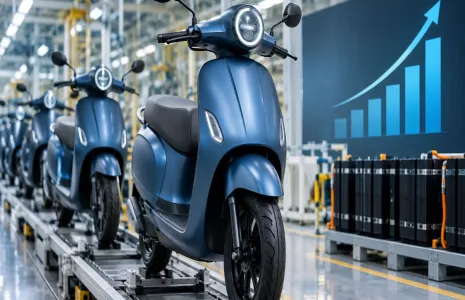
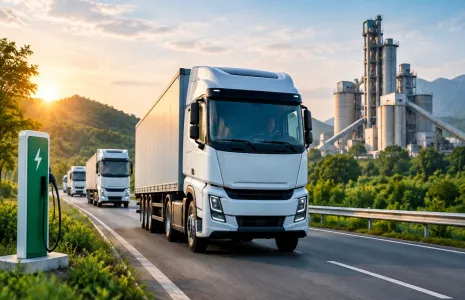
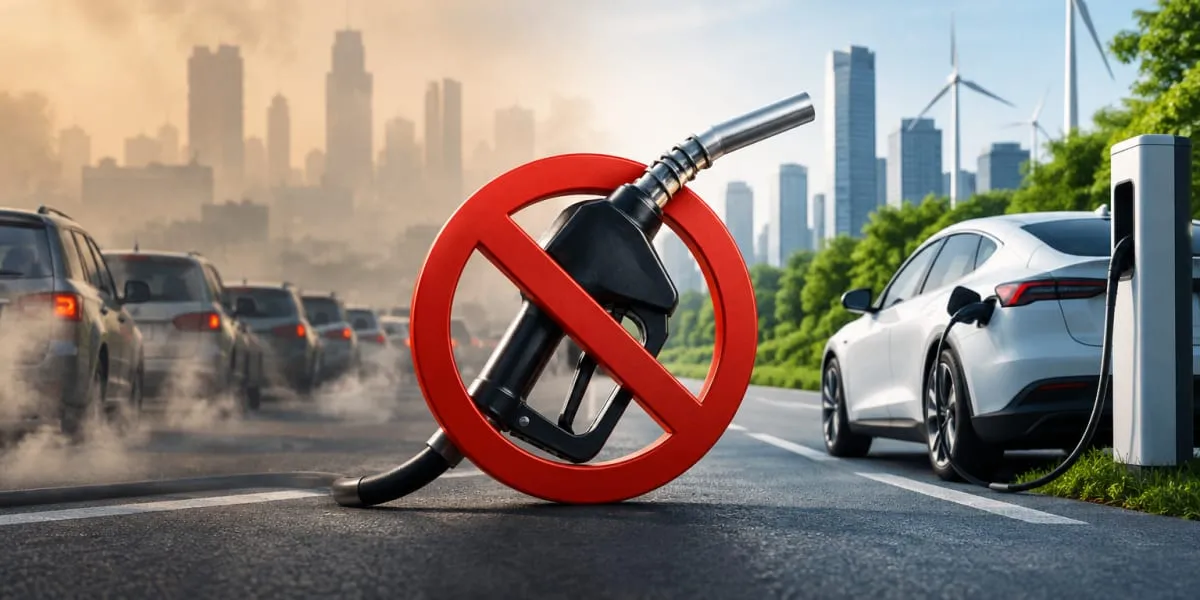
A 15-member expert committee set up by the Commission for Air Quality Management (CAQM) has recommended phasing out vehicles powered by internal combustion engines (ICE) in Delhi-NCR by 2040. The proposal aims to reduce vehicular emissions to zero and curb air pollution across the wider air-shed region.

The committee has proposed phasing out Bharat Stage IV vehicles by 2030, BS-VI two-wheelers by 2035 and BS-VI four-wheelers by 2040. It has also recommended ending the registration of new ICE four-wheelers from 2031. Vehicles operating below BS-IV standards should leave Delhi-NCR immediately, in line with the Delhi Electric Vehicle Policy.

CAQM is reviewing the recommendations and has already ordered the phasing out of light goods vehicles and three-wheelers based on the report. The committee, led by Indian Institute of Technology Madras professor Ashok Jhunjhunwala, includes representatives from the road transport and highways ministry, heavy industries ministry, Automotive Research Association of India and NITI Aayog.

The report, submitted on August 18, also proposes a similar approach across the Indo-Gangetic plain. It calls for right-to-charge legislation, allowing electric vehicle owners to install 3 kW, 7 kW or 11 kW alternating-current chargers at parking spaces, including basements, subject to safety requirements.

Delhi-NCR has 22.1 mn active and fitness-approved vehicles, of which 360,000 are electric, representing 1.6 per cent of the fleet. Nearly 57 per cent meet BS-IV standards or older norms. BS-I to BS-III vehicles account for around 30 per cent of the fleet but contribute nearly 74 per cent of particulate matter emissions, while BS-VI vehicles make up over 41 per cent but contribute about 7 per cent. The panel has recommended immediate removal of older vehicles, scrappage incentives and safeguards against their transfer to other polluted regions. It has also proposed a winter pilot under which BS-IV vehicles could be restricted from November 1 to January 31.

A 15-member expert committee set up by the Commission for Air Quality Management (CAQM) has recommended phasing out vehicles powered by internal combustion engines (ICE) in Delhi-NCR by 2040. The proposal aims to reduce vehicular emissions to zero and curb air pollution across the wider air-shed region. The committee has proposed phasing out Bharat Stage IV vehicles by 2030, BS-VI two-wheelers by 2035 and BS-VI four-wheelers by 2040. It has also recommended ending the registration of new ICE four-wheelers from 2031. Vehicles operating below BS-IV standards should leave Delhi-NCR immediately, in line with the Delhi Electric Vehicle Policy. CAQM is reviewing the recommendations and has already ordered the phasing out of light goods vehicles and three-wheelers based on the report. The committee, led by Indian Institute of Technology Madras professor Ashok Jhunjhunwala, includes representatives from the road transport and highways ministry, heavy industries ministry, Automotive Research Association of India and NITI Aayog. The report, submitted on August 18, also proposes a similar approach across the Indo-Gangetic plain. It calls for right-to-charge legislation, allowing electric vehicle owners to install 3 kW, 7 kW or 11 kW alternating-current chargers at parking spaces, including basements, subject to safety requirements. Delhi-NCR has 22.1 mn active and fitness-approved vehicles, of which 360,000 are electric, representing 1.6 per cent of the fleet. Nearly 57 per cent meet BS-IV standards or older norms. BS-I to BS-III vehicles account for around 30 per cent of the fleet but contribute nearly 74 per cent of particulate matter emissions, while BS-VI vehicles make up over 41 per cent but contribute about 7 per cent. The panel has recommended immediate removal of older vehicles, scrappage incentives and safeguards against their transfer to other polluted regions. It has also proposed a winter pilot under which BS-IV vehicles could be restricted from November 1 to January 31.

Related Stories

Gold Stories

Next Story
Equipment

“Road maintenance technologies will play a bigger role in India.”

Interview with Magesh Swaminathan, CEO, Infraserve GlobalInfraserve Global was recently launched as a separate brand. Could you tell us more about the company and its journey?InfraServe Global (ISG) is part of the Gainwell Group, which carries an 82-year legacy in the construction equipment sector through its Caterpillar dealership, TIL cranes and other product lines. ISG earlier operated as the Allied Business division out of our Pune facility and has now been carved out into a dedicated business entity — InfraServe Global.ISG has been officially launched at bauma CONEXPO India, marking a n..

Next Story
Real Estate

India's Real Estate Investment Shifts to Income Growth: JLL

India's commercial real estate market is entering a new phase of value creation, with investor returns increasingly driven by rental income growth, operational efficiency and strategic asset selection rather than capitalisation rate compression, according to JLL's report, A Decade of Change: The Institutionalization of Commercial Real Estate in India.The report indicates that high-quality office assets can continue to deliver double-digit unlevered internal rates of return (IRR) over a typical five-year investment period, supported by resilient net operating income (NOI) growth and sustained o..
Next Story
Infrastructure Urban

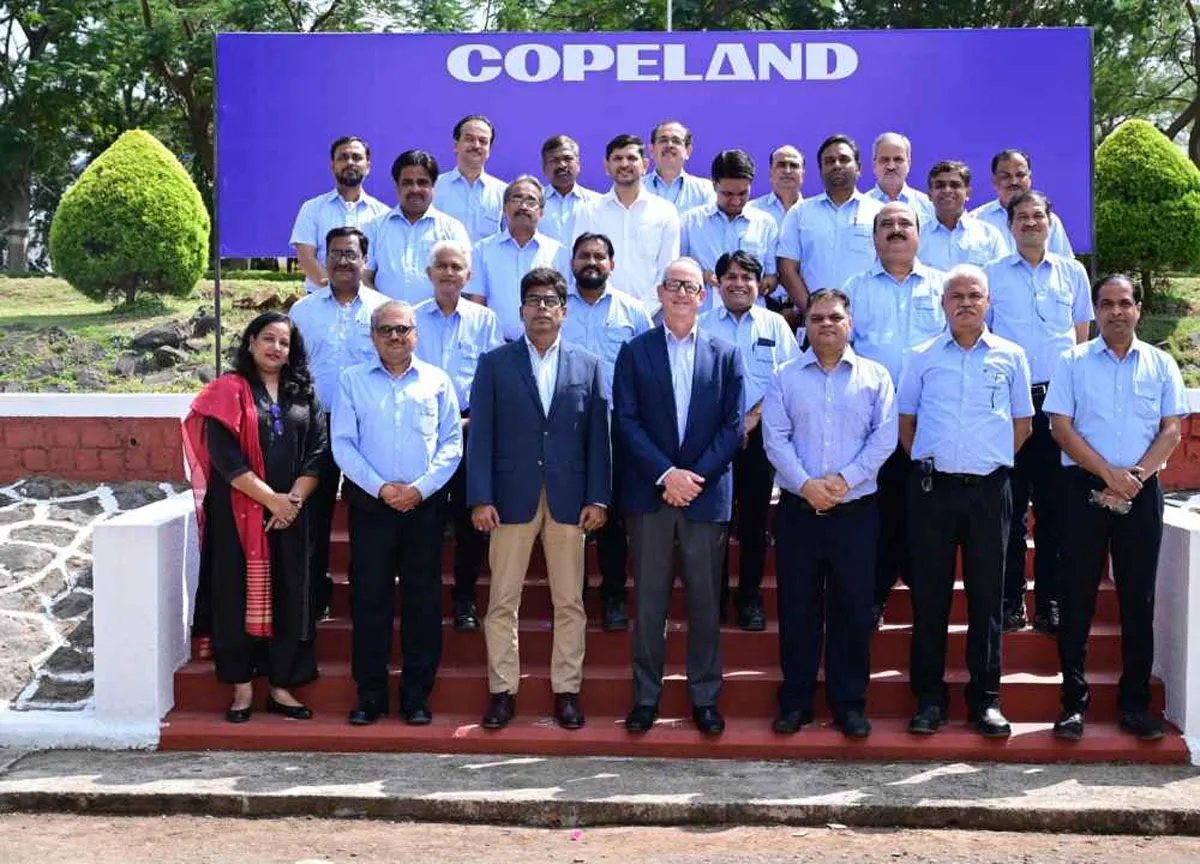
Copeland Expands Scroll Compressor Manufacturing in India

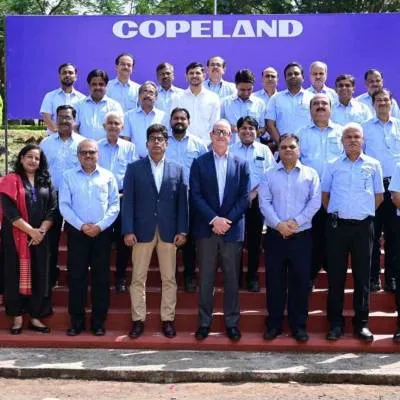
Copeland has expanded its manufacturing capabilities in Atit, Maharashtra, becoming the first company to manufacture scroll compressors in India. Production began in December 2025, marking a significant milestone in strengthening domestic manufacturing capabilities for heating, ventilation, air conditioning and refrigeration (HVACR) applications.The expansion forms part of Copeland's Rs 5 billion investment initiative announced in 2024, which also includes strengthening its engineering and innovation capabilities in Pune. The investment aims to support India's growing HVACR market while enhanc..

Advertisement

Subscribe to Our Newsletter

Get daily newsletters around different themes from Construction world.

STAY CONNECTED

Advertisement

SPECIAL OFFER
QR Code